
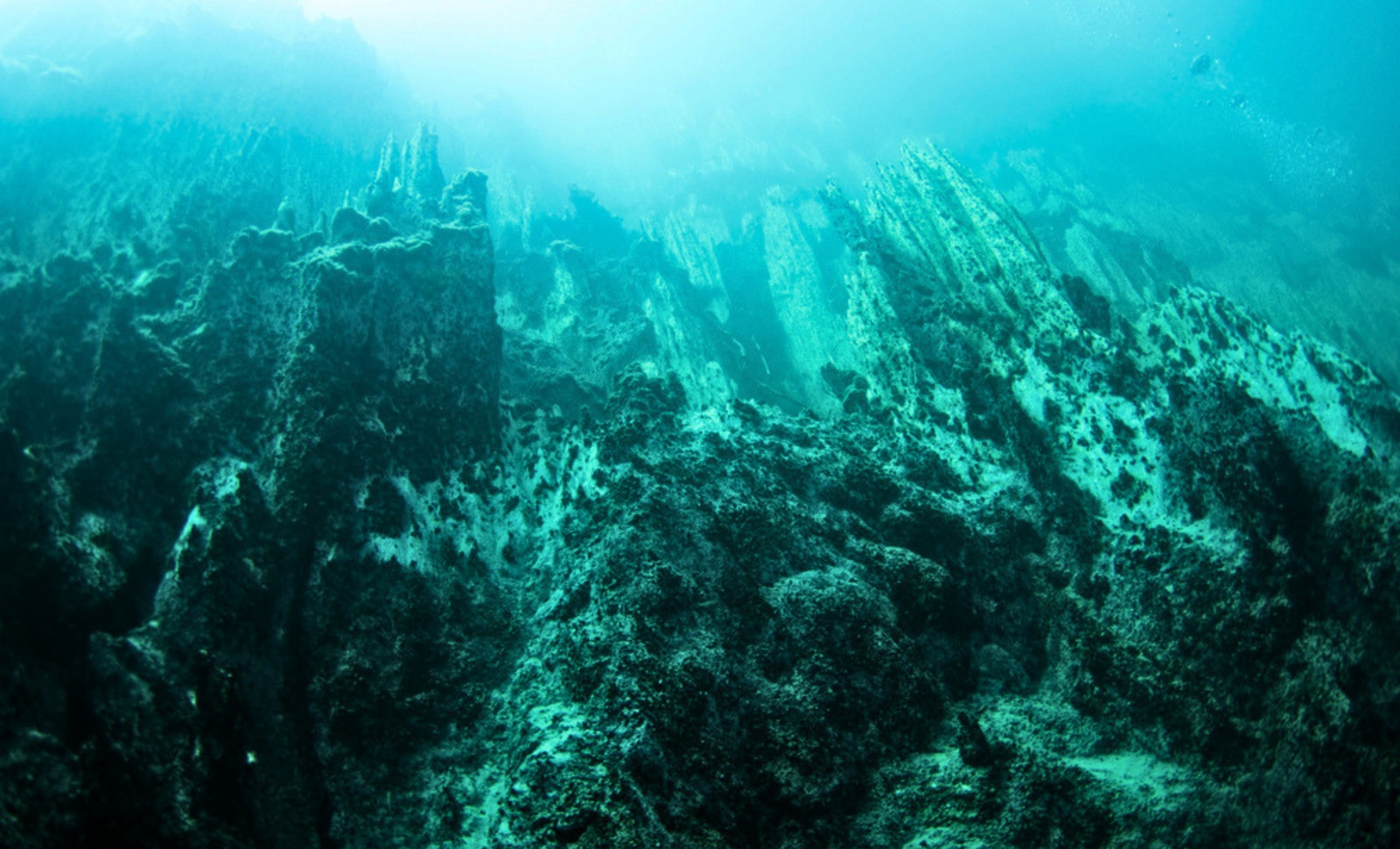
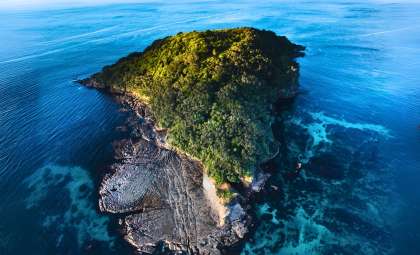
Marine scientists have charted a colossal undersea mountain in the Pacific Ocean that ascends 3,109 meters from the ocean floor, surpassing the height of Mount Olympus in Greece. This seamount is situated along the Nazca Ridge, a submerged ridge system approximately 900 miles off the coast of Chile in international waters.
This finding was achieved during a month-long research mission organized by the Schmidt Ocean Institute aboard the research vessel Falkor (too), concluding in late summer 2024. Scientists utilized a precision sonar mapping system affixed to the ship’s hull to capture high-definition images of the seafloor's structure. “We emit sound pulses that reflect off the seafloor and record the time it takes for the echoes to return,” explained Jyotika Virmani, executive director of the institute, in an interview with CNN. “This method allows us to create very precise maps of the seabed.”
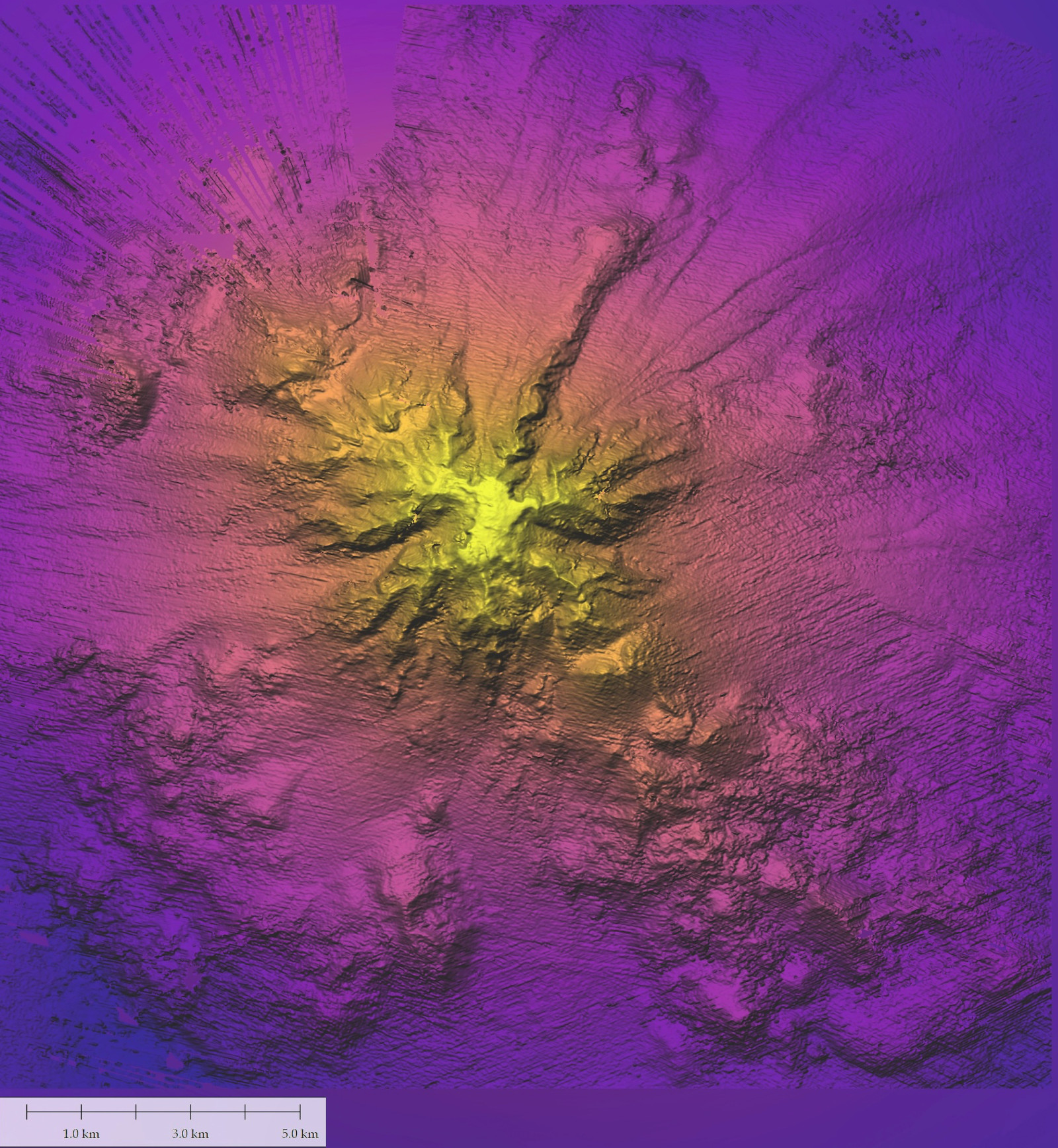
This newly identified underwater peak stands nearly four times taller than the Burj Khalifa in Dubai, the tallest manmade structure on land. It forms part of a larger chain of submerged mountains being intensively examined throughout 2024.

Unprecedented Marine Species Captured on Video
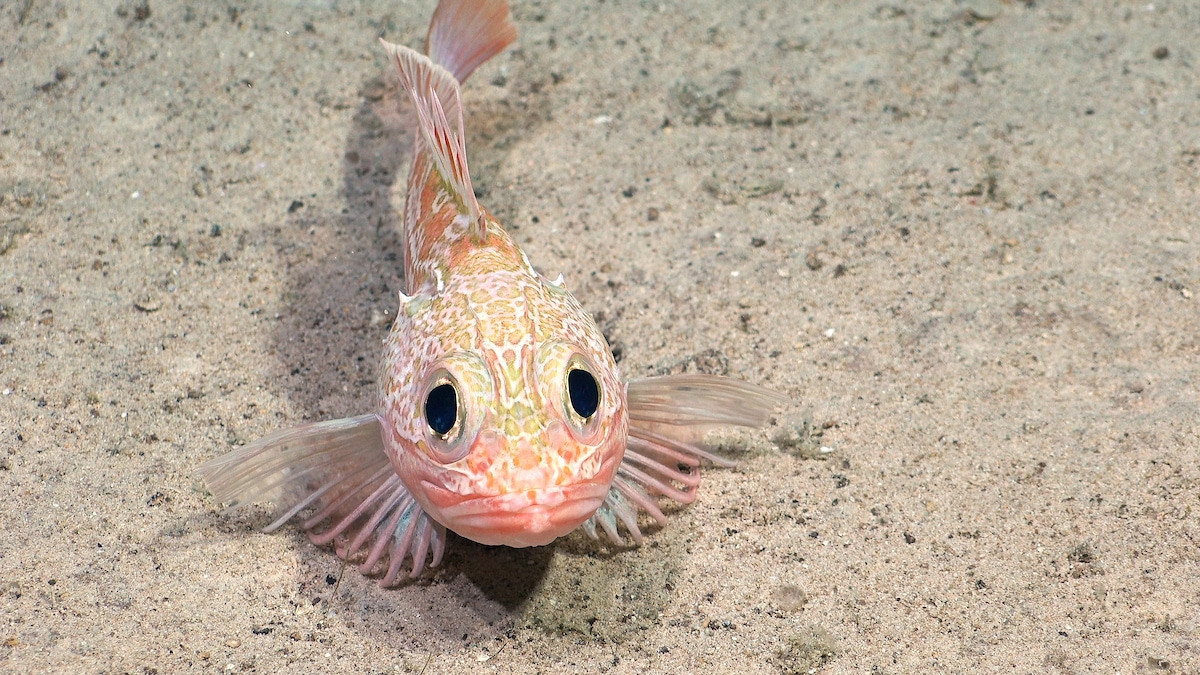
In addition to topographic surveys, the team deployed an autonomous submersible to investigate one ridge in more detail. The dives uncovered diverse ecosystems including sponge fields, ancient deep-sea coral formations, and several rarely observed marine animals.
Among the highlights was the first-ever footage of a live Promachoteuthis squid, a group previously known only through a handful of dead samples collected by fishing nets, some dating back over a century. “Until now, the genus had only been described based on deceased specimens found in nets,” the Schmidt Ocean Institute declared.
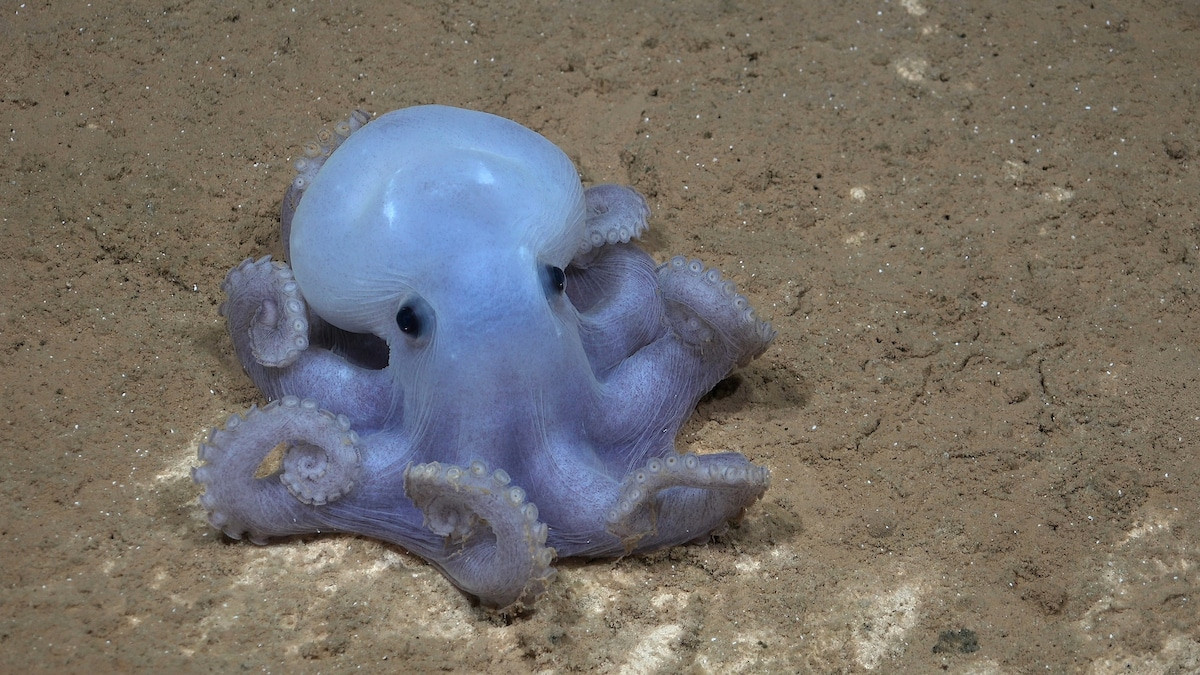
Researchers also recorded a pale, ghost-like Casper octopus, making it the first confirmed observation of this deep-sea cephalopod in the southern Pacific. Virmani noted the species remains undescribed scientifically and has yet to be captured physically.
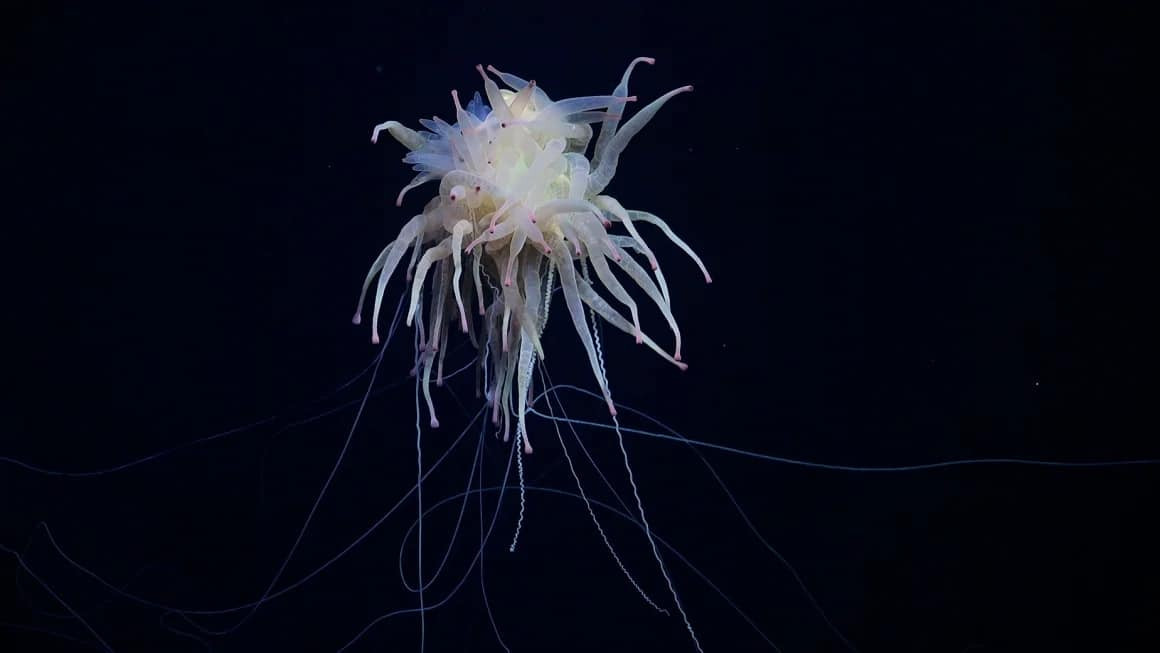
Two Bathyphysa siphonophores were also observed. Nicknamed the “flying spaghetti monsters” for their intricate, threadlike appendages, these creatures inhabit the rugged slopes of the seamount. The area supports vibrant coral communities and sponge habitats, providing shelter for species such as rockfish, brittle stars, and king crabs.
An Abundance of Uncharted Marine Life
This research expedition represented the third effort by the Schmidt Ocean Institute during 2024 to survey the Nazca and Salas y Gómez Ridges. The earlier trips in January and February revealed over 150 previously undiscovered species.
This latest voyage resulted in over 20 additional suspected new species. Prior to these studies, scientists had cataloged 1,019 species in this Pacific realm; now the count surpasses 1,300 and is still climbing, reports Popular Mechanics.
One nearby seamount displayed an untouched coral garden spanning around 800 square meters—equivalent to about three tennis courts. The team explored nine additional seamounts within the ridge that remain unprotected by conservation measures.
“The seamounts in the Southeastern Pacific host extraordinary biodiversity, including species unique to this ecosystem,” said Alex David Rogers, Science Director at Ocean Census, as stated in the institute’s press release.
Revealing the Ocean Floor’s Hidden Features
This discovery illustrates how much remains to be explored beneath the ocean’s surface. Although oceans cover 71 percent of Earth’s surface, only about 26 percent has been mapped with the detailed sonar technology employed during this expedition on the Nazca Ridge.
Data collected from this mission will contribute to the Seabed 2030 Project, a global initiative aiming to complete the mapping of the ocean floor. Biological samples and observations gathered from the 2024 expeditions will be shared with the Ocean Census consortium, led by the Nippon Foundation and Nekton, which works to accelerate discovery and protection efforts for marine species.
This initiative has an ambitious goal to identify 100,000 new marine species within the next ten years.
Protecting International Waters Through Collaboration
The Nazca Ridge and the adjacent Salas y Gómez Ridge are under evaluation for classification as a marine protected area in international waters. This designation would require collaboration between nations to ensure preservation.
“We have surveyed roughly 25 seamounts on the Nazca and Salas y Gómez Ridges so far,” said Tomer Ketter, Co-Chief Scientist and Marine Technician at Schmidt Ocean Institute. “Our research reveals exceptional biological richness in these environments but also highlights significant gaps in our comprehension of how these seamount ecosystems are interconnected.”
The expedition was a partnership between Ocean Census and the Center for Coastal and Ocean Mapping and Joint Hydrographic Center at the University of New Hampshire. Information from the three 2024 missions will guide future conservation policies aimed at protecting these underwater mountain ecosystems.
- Categories:
- Science








0 comments
Sign in to Comment