
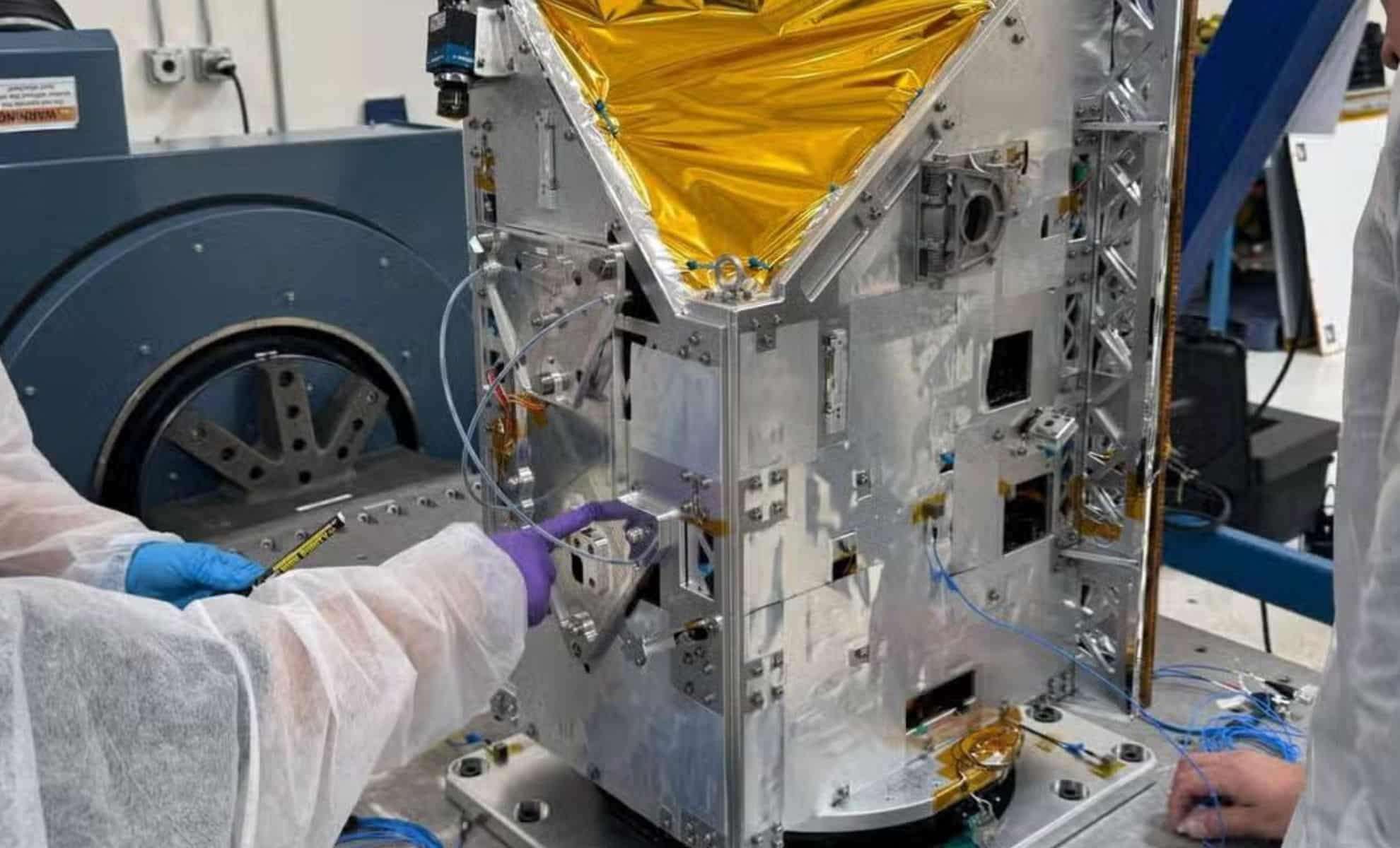
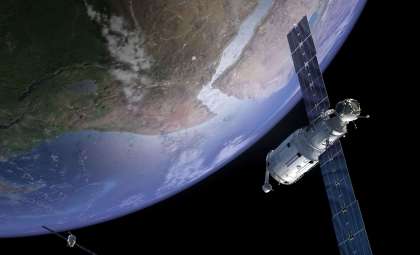
A collaborative effort between UC Davis scientists and Proteus Space is launching a trailblazing satellite equipped with an AI-based self-diagnostic system. Scheduled for lift-off in October 2025, this satellite introduces a pioneering digital twin technology that autonomously monitors its condition and forecasts performance, minimizing the need for continuous ground intervention. Developed within a rapid 13-month timeframe, this achievement underscores the swift evolution of space technologies and the pivotal integration of artificial intelligence in spacecraft autonomy.
An Innovation Leap in Satellite Engineering
This advanced satellite represents a significant breakthrough in spacecraft design. Traditional satellites depend heavily on Earth-based engineers to oversee system health, execute diagnostics, and implement necessary adjustments. In contrast, this innovative satellite integrates a digital twin—a virtual replica of its internal components, including its electrical power system—that operates independently onboard. Unlike earlier models dependent on Earth-sourced updates, this digital twin processes real-time data on its own, evaluating battery condition and energy consumption to foresee potential issues and adjust operations proactively.
As Adam Zufall, a UC Davis graduate researcher and key contributor to the initiative, states, “Now the spacecraft can independently communicate its status, a task currently done manually by humans.” This advancement promises to lessen the burden on ground control teams, accelerate responsiveness, and boost mission dependability.

Artificial Intelligence at the Helm of Satellite Functionality
Beyond simple data collection, the satellite’s AI system continuously learns and evolves. Throughout its mission, as it gathers operational data, the AI refines its understanding by detecting patterns and trends, enabling it to anticipate the behavior of critical systems, notably the power supply. This foresight allows the satellite to preemptively address potential malfunctions and maintain optimal performance. Professor Stephen Robinson, head of UC Davis’ satellite payload lab, remarks, “The system will progressively become more insightful and capable of forecasting its near-term performance, a feature absent in current satellites.”
Empowered by this intelligent system, the satellite achieves heightened autonomy, cutting down reliance on Earth-based monitoring and resolving issues independently. This enhanced self-governance is especially valuable for missions in remote or communication-challenged environments, increasing mission resilience and efficiency.
Accelerated Development Paves Way for Future Missions
The project's swift progression—from concept to scheduled launch in just over a year—is remarkable compared to traditionally multi-year satellite preparations. This rapid development was achieved through a strong partnership between UC Davis experts and Proteus Space engineers, culminating in the first-ever satellite system designed with a “fast-track design-to-deployment” approach.
In addition to its AI-powered self-monitoring capabilities, the satellite will host various scientific and commercial instruments aimed at exploring space technology and testing the platform’s flexibility. This integration of speed, innovation, and versatility sets a new standard for space missions, pointing to a future with more nimble and responsive satellite deployments.
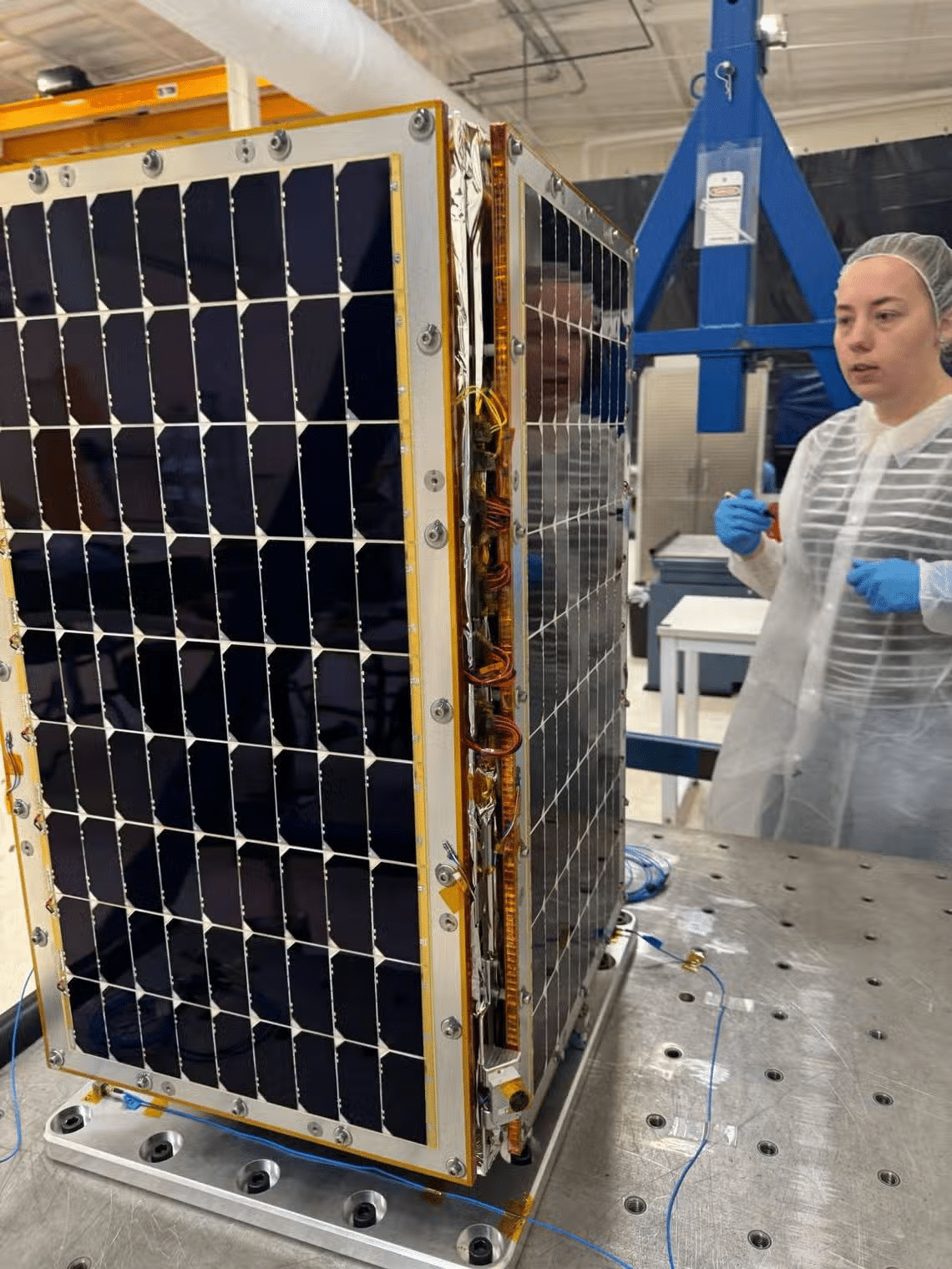
Self-Monitoring Boosts Mission Safety and Performance
The satellite’s onboard ability to continuously assess its own functionality offers many benefits compared to conventional spacecraft. This capability reduces the demand for intensive human supervision, which is often labor-intensive and susceptible to errors. Currently, ground operators manage satellite health reactively, often intervening after issues develop. With the AI-driven system, this satellite can identify and address potential problems beforehand, autonomously adapting to evolving conditions. This self-regulating feature will diminish failure risks, prolong satellite operational lifespan, and deliver critical insights for enhancing future spacecraft technology.
- Categories:
- News







0 comments
Sign in to Comment