
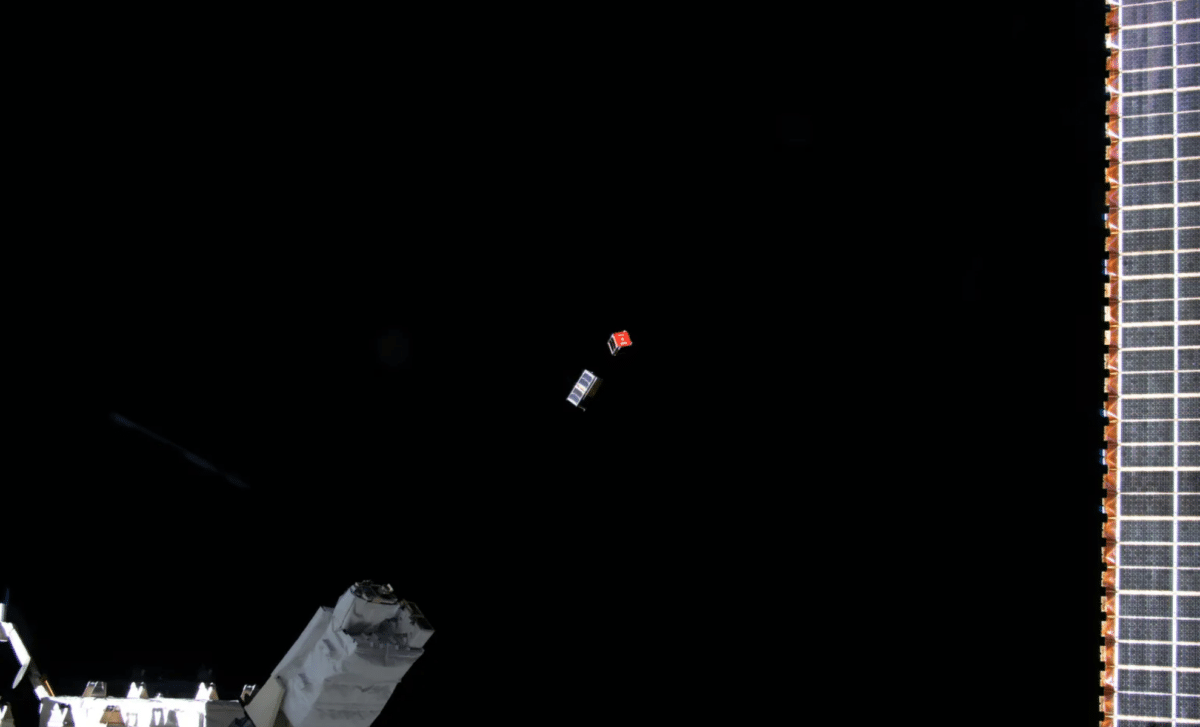
Compact and cost-efficient satellites known as CubeSats are reshaping the landscape of space exploration and scientific discovery. These miniature satellites, often created by students from nations such as Mexico, Italy, Thailand, Malaysia, and Japan, play increasingly vital roles in Earth monitoring and the testing of new technologies. NASA highlights how CubeSats have become essential components in contemporary space missions.
The Emergence of CubeSats: Ushering a New Chapter in Space Missions
Over the past decade, CubeSats have revolutionized satellite technology. In contrast to conventional satellites that tend to be large and expensive, CubeSats are small, lightweight, and budget-friendly. Weighing between 1 and 10 kilograms, their standardized design enables mass production and cost-effective launches. This affordability and compactness have catalyzed widespread adoption for diverse purposes, including environmental surveillance, climate research, and technological innovation.
Serving as a practical experimental platform, CubeSats offer an accessible means for researchers and students to develop and test space technologies. Their frequent incorporation as secondary payloads on major launches allows multiple projects to share expenses, making space access more affordable and opening doors for educational institutions to engage hands-on in space science.

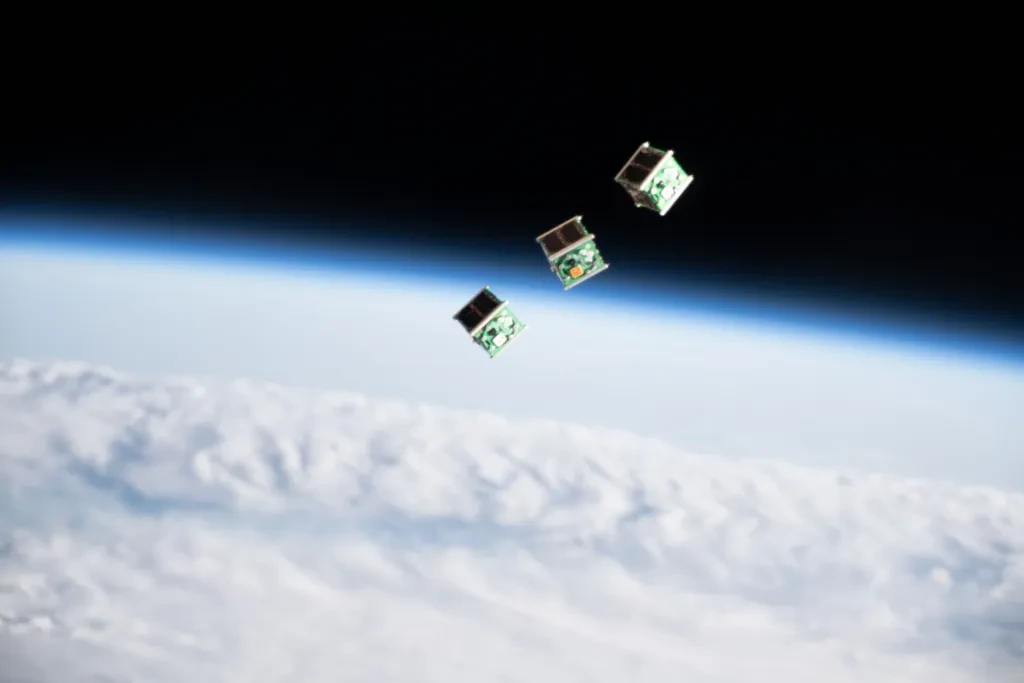
Revolutionizing Environmental Monitoring with CubeSats
CubeSats have greatly advanced Earth observation capabilities. Outfitted with sophisticated cameras and sensors, these nanosatellites provide detailed data to track climate dynamics, monitor natural disasters, and analyze environmental shifts from orbit. As NASA points out, their global data collection at a fraction of traditional costs makes CubeSats indispensable for researchers worldwide.
These small satellites deliver critical insights into phenomena like deforestation, shrinking polar ice sheets, and vegetation changes. Notably, CubeSats have been employed to observe wildfire impacts in real time, enabling better prediction of fire spread and damage assessment—essential tools for emergency response and climate resilience planning.
Global Cooperation Driving CubeSat Innovations
The success of CubeSat initiatives is strengthened by robust international partnerships. Students and scientists from countries including Mexico, Italy, Thailand, Malaysia, and Japan collaboratively develop these nanosatellites to serve diverse mission goals. This worldwide teamwork sparks creativity and facilitates the sharing of ideas across borders.
Such collaborations have sparked a new chapter in the space sector, where pooling resources and knowledge supports groundbreaking work unattainable alone. This spirit of global cooperation continues to fuel CubeSat missions’ achievements and advances in space exploration technology.
NASA’s Crucial Contribution to CubeSat Advancements
NASA has been pivotal in nurturing and deploying CubeSat programs. The agency’s support has propelled CubeSat technologies forward and fostered partnerships worldwide to maximize mission success. NASA’s involvement has been instrumental in establishing CubeSats as key players in the future of space exploration.
Continuing its efforts, NASA invests in pushing CubeSat capabilities, testing innovative mission ideas, and addressing global challenges through these agile spacecraft. With continual breakthroughs, CubeSats are poised to remain significant fixtures in space exploration endeavors.
Advancing Technology Demonstrations Using CubeSats
Apart from their roles in scientific studies and Earth observations, CubeSats serve as cost-effective platforms for testing cutting-edge space technologies. They facilitate trials of propulsion units, communication systems, and various sensors on smaller scales before broader deployment.
This agile testing process drastically minimizes time and expenses historically associated with developing space tech. CubeSats enable rapid prototyping and experimentation previously impossible with large, costly satellite missions.
- Categories:
- News









0 comments
Sign in to Comment