
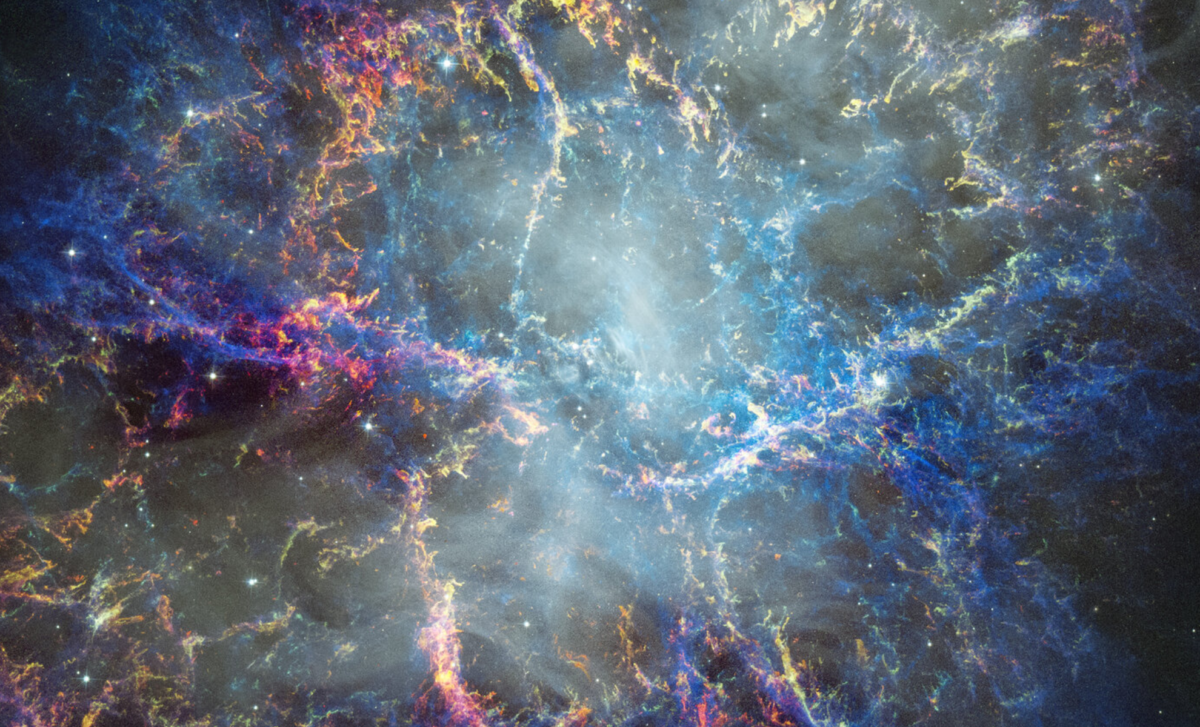
After a quarter-century of observation, the Hubble Space Telescope has delivered an intricate look at the Crab Nebula’s dynamic growth. This stellar remnant, situated 6,500 light-years from Earth in Taurus, originated from a supernova that illuminated the sky nearly 1,000 years ago. The latest imagery offers an unmatched glimpse into the nebula's changing form over this 25-year span, granting astronomers a rare window into the behavior and development of a unique celestial explosion residue. Detailed in The Astrophysical Journal, this work enriches our comprehension of cosmic structure and expansion.
Tracking a Nebula’s Evolution Over Decades
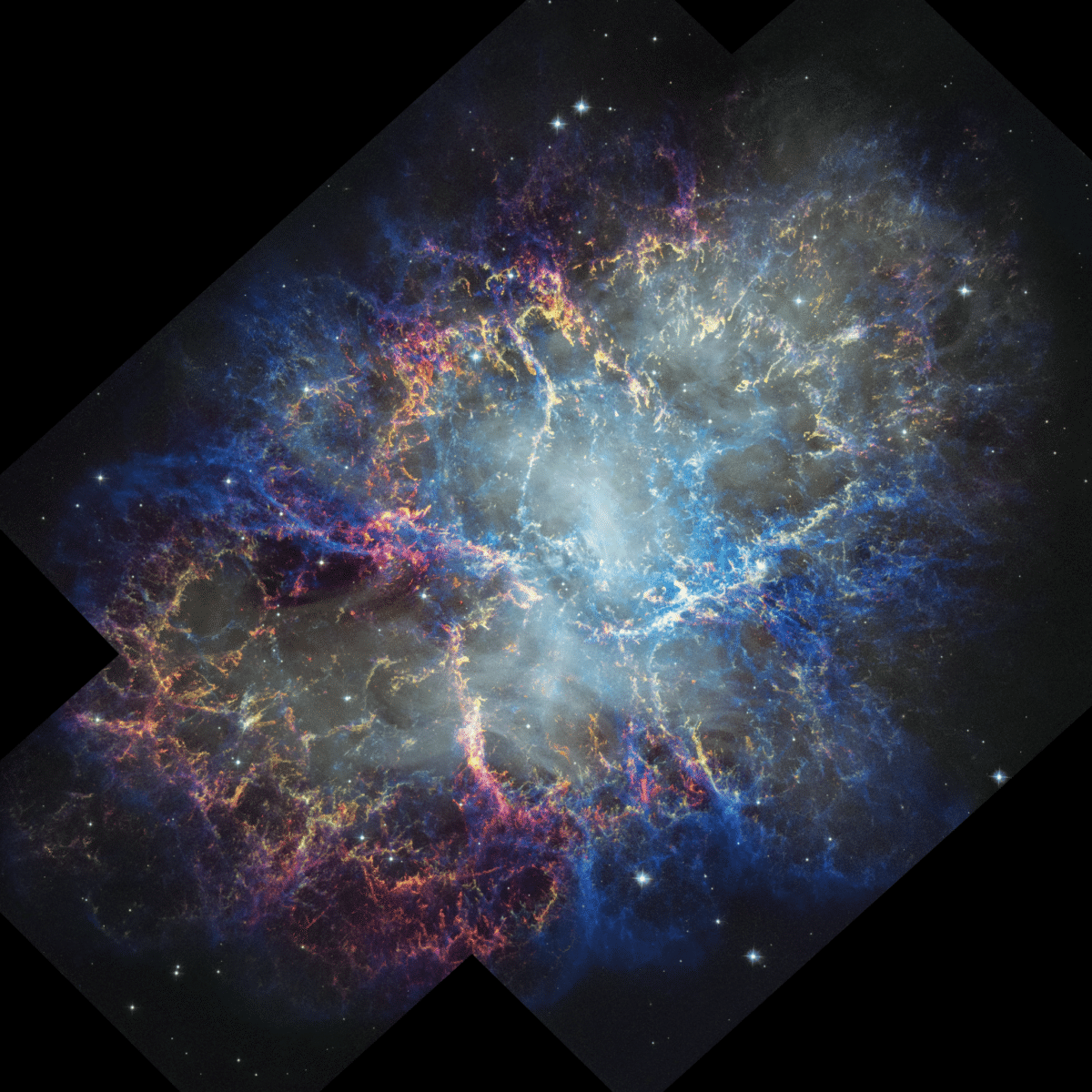
The Crab Nebula stands as one of the most extensively examined cosmic phenomena, yet Hubble’s fresh images captured in 2024 unveil fascinating new aspects of its ongoing expansion. Over 25 years, the nebula has surged outward at a staggering velocity of 5.5 million kilometers per hour. These images highlight the delicate, web-like network of gas and dust filaments defining its architecture, showcasing the transformation with remarkable clarity.
This longitudinal study’s significance lies in Hubble’s capacity to document filament movements across decades. By monitoring these shifts, astronomers have confirmed not only the nebula's persistent growth but also gathered insights into the energetic forces sculpting its form. The data collected offers a foundation for constructing a more detailed model of the nebula's physical evolution.

Decoding the Dynamics of the Crab Nebula
The Crab Nebula formed after a star detonated in 1054 AD, an event that was bright enough to be seen during daylight. This explosive event dispersed immense clouds of gas and dust which have continued to expand since then. The latest observations from NASA focus on how the nebula’s filaments behave. Previously thought to merely stretch outward, new findings reveal their movements align more closely with the effects caused by a pulsar wind nebula driven by synchrotron radiation.
Unlike typical supernova remnants, where residual blast waves push the material outward, the Crab Nebula’s growth is energized by a central pulsar—a swiftly spinning neutron star. This pulsar’s magnetic field interacts with surrounding materials, producing high-energy particles and radiation that propel the nebula’s material outward. This mechanism accounts for the distinctive filamentary patterns observed, which Hubble has captured with extraordinary detail over its longstanding observations.
Hubble’s Exceptional Role and Clarity
This investigation is distinguished by the remarkable precision of the Hubble Space Telescope, which has been continuously imaging the Crab Nebula for more than twenty years. Hubble’s extended, high-resolution monitoring is unparalleled, enabling observation of subtle transformations that no other telescope could sustain or achieve.
The latest image sets vividly display the intricate motions of gas filaments collecting and twisting amid the expanding nebula across 25 years. These insights are vital for advancing our understanding of supernova aftermaths and the evolution of pulsar wind nebulae. Hubble’s invaluable observations continue to shed light on these cosmic enigmas, steering future astrophysical exploration.
- Categories:
- News



0 comments
Sign in to Comment