
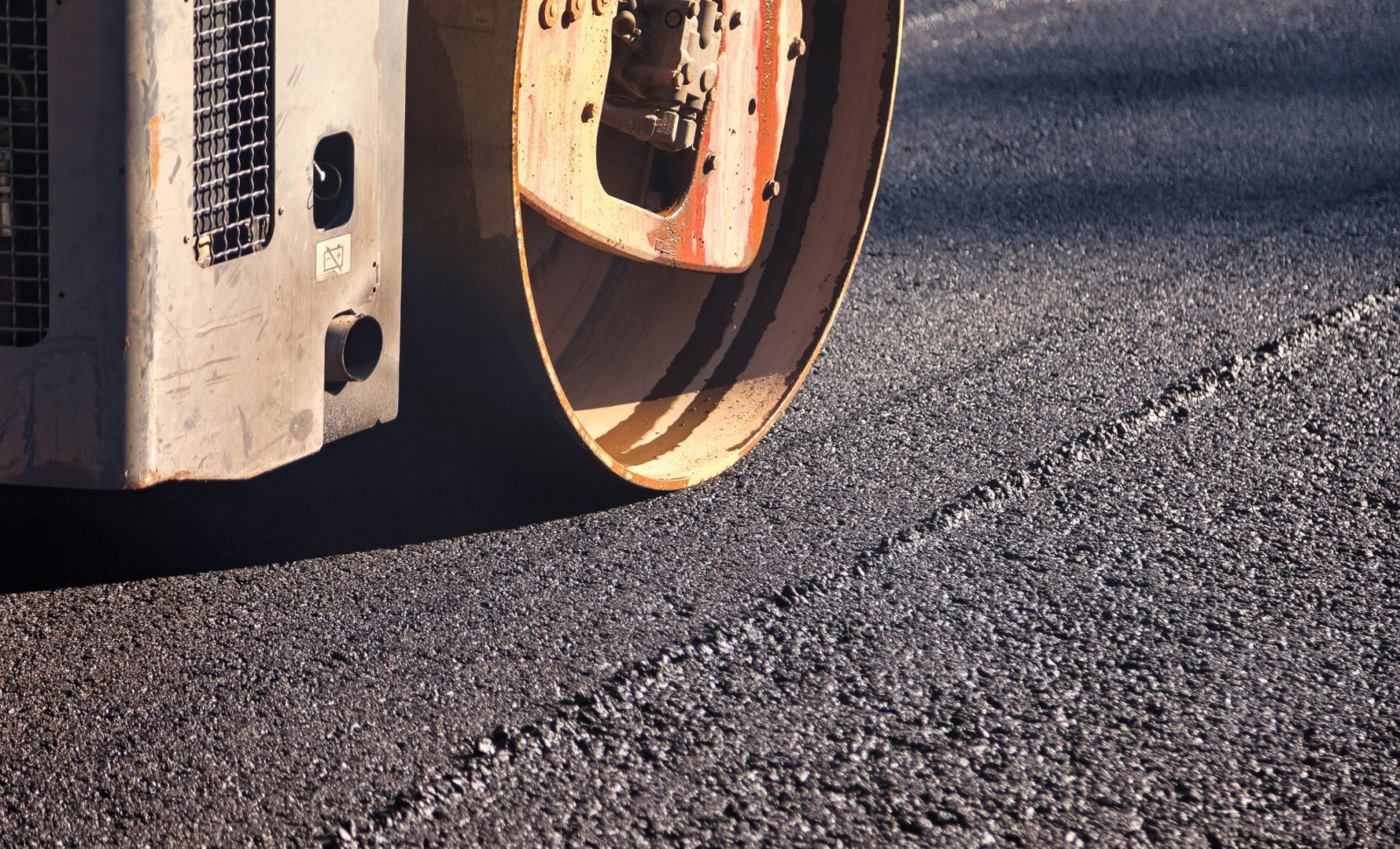
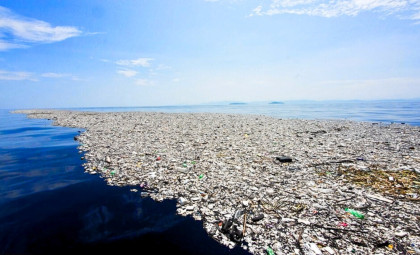
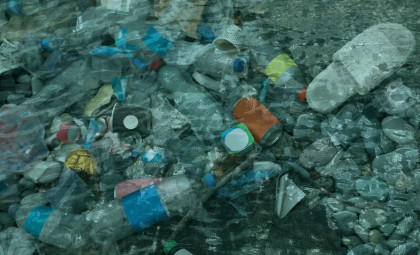
In Hawaii, managing plastic pollution, particularly waste collected from marine environments, presents significant challenges and costs. Scientists are exploring the potential of incorporating discarded fishing nets and domestic plastic into asphalt mixtures for paving roads.
This initiative is currently in its preliminary phase and aims to address two pressing issues simultaneously: minimizing waste generation and finding local, practical applications for materials that would otherwise be shipped away, burned, or accumulated in overcrowded landfills.
Transforming Plastic Waste Into Durable Road Surfaces
The concept was inspired in part by Hawaii’s existing use of polymer-modified asphalt (PMA) in its infrastructure. PMA, which enhances road durability, is engineered to better withstand cracking, deformation, and moisture damage in tropical climates.

This asphalt is made by combining petroleum binders with styrene-butadiene-styrene (SBS), a synthetic polymer that provides flexibility. Researchers questioned whether recycled plastic materials could partially substitute for SBS without compromising pavement performance.
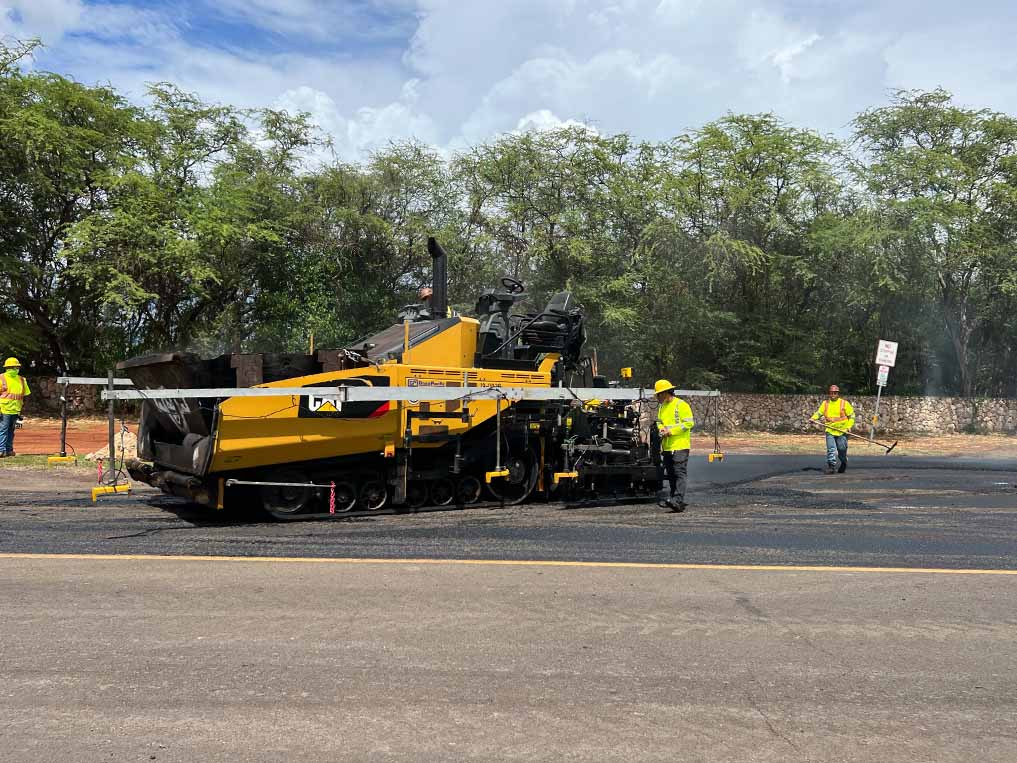
During the ACS Spring 2026 webinar, Jeremy Axworthy detailed the team’s exploration into responsible use of recycled plastics in Hawaii’s roads, noting as reported by a BBC article:
“By reusing plastic waste that is already in Hawaii, we can reduce the environmental and economic impacts of transporting waste plastics from the islands, incinerating it or dumping it in Hawaii’s overflowing landfills.”
The research was initiated following a request from the Hawaii Department of Transportation (HDOT) to investigate road durability and potential microplastic emissions.
Utilizing Fishing Nets in Asphalt Composites
Marine cleanup efforts supplied much of the recycled content. According to Jennifer Lynch, lead environmental chemist at CMDR heading the project, abandoned fishing gear remains the predominant source of Hawaii’s marine debris.
“Foreign plastic derelict fishing gear is the largest contributor of Hawaii’s marine debris problem,” stated Lynch. “To date, CMDR’s Bounty Project, which pays a financial reward to licensed commercial fishers for marine debris removal, has removed 84 tons of large, derelict fishing gear from the Pacific Ocean.”
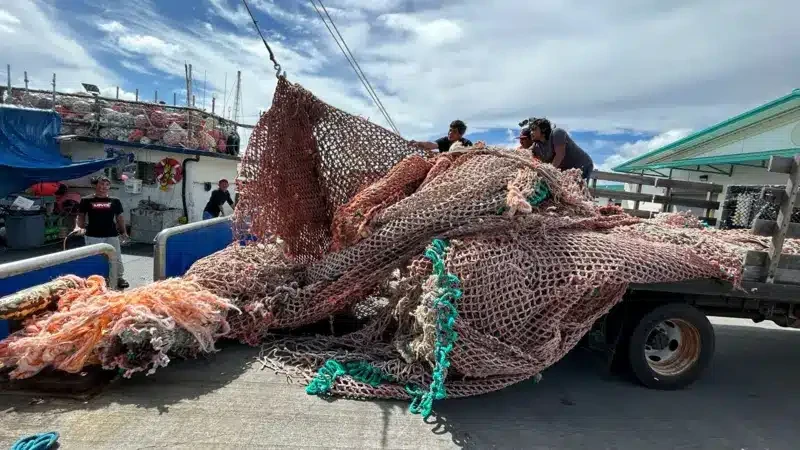
The retrieved plastics underwent processing by a U.S.-based company to make them suitable for asphalt blending. Test pavements were established on a residential street in Oahu, comparing three formulations: conventional SBS-modified asphalt, one incorporating recycled polyethylene derived from local household waste, and another containing polyethylene produced from recovered fishing nets.
Recycled Asphalt Shows Comparable Emissions to Conventional Roads
To validate practical implications, the team analyzed particulates emitted from the experimental roads after about 11 months of traffic exposure. Road dust samples were collected, and components were separated and examined through pyrolysis gas chromatography mass spectrometry (Py-GC-MS) to identify polymer sources.
Presented at the ACS conference, the findings revealed that recycled polyethylene pavement did not increase detectable plastic release compared to standard SBS-modified asphalt. Mechanical endurance and simulated stormwater runoff tests corroborated these results.
Although microplastic-sized particles were present in every sample, only a minor fraction was polyethylene. Lynch suggested this may be due to the melting process: the plastic becomes incorporated within the stone and binder matrix, preventing separation into pure plastic fragments.
Another significant discovery was that particles from tire wear were much more prevalent than those from the recycled polyethylene. Lynch noted the team had to carefully analyze chromatograms to discern even minor traces of the recycled plastic.
“Some people think plastic recycling is a hoax, that it doesn’t work; it’s too challenging. But this work demonstrates that recycling can work when society prioritises sustainability.” she concluded.
- Categories:
- Science










0 comments
Sign in to Comment