
A cutting-edge device from ESO is revolutionizing the hunt for distant planets by using the Sun itself as a calibration reference, enabling detection of Earth-like worlds that were previously obscured by stellar interference.
Instrument Specifically Crafted to Unravel Stellar Interference
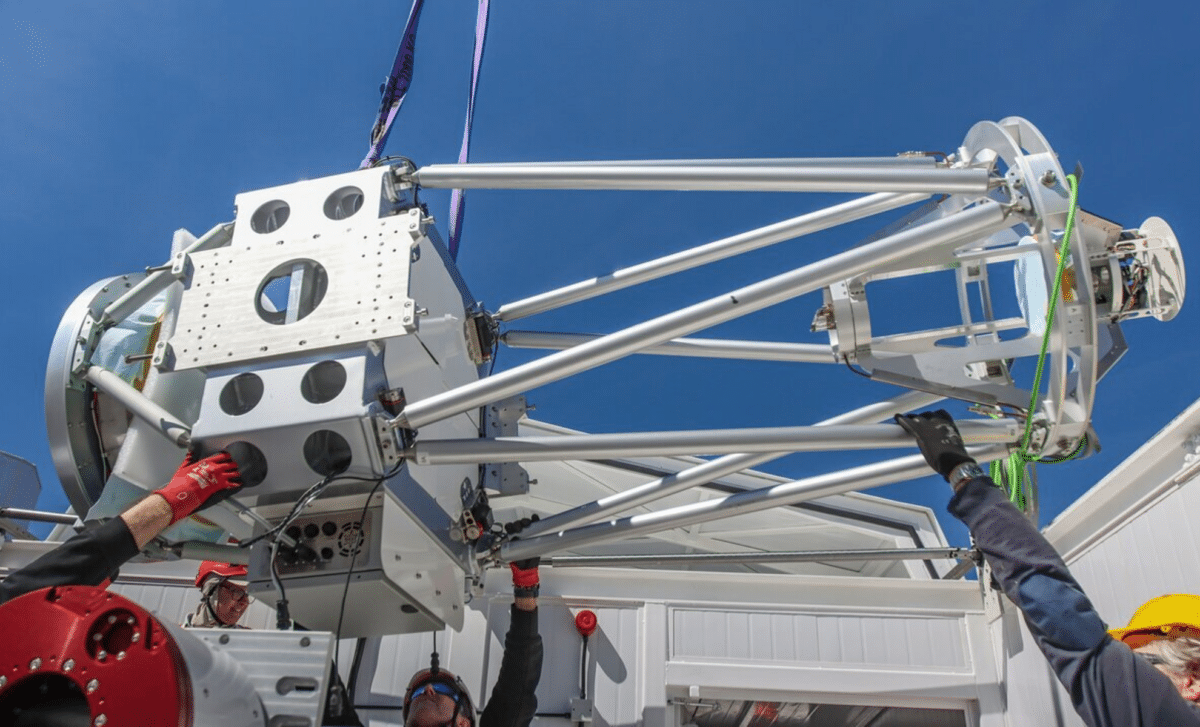
Installed at the Paranal Observatory in Chile’s Atacama Desert, the newly commissioned Paranal Solar ESPRESSO Telescope (PoET) has begun its inaugural observations, marking a significant milestone in exoplanetary research. Unlike conventional telescopes focused on distant stars, PoET directs its gaze inward toward the Sun to address one of the biggest barriers in astronomy: differentiating genuine planetary signals from stellar disturbances. This initiative, led by ESO, integrates solar measurements with the ultra-precise ESPRESSO spectrograph, known for its exceptional sensitivity in detecting subtle stellar light shifts.
At the heart of the challenge is the astrophysical 'noise' generated by solar phenomena such as sunspots, solar flares, and chaotic surface flows. These factors alter stellar light waves, often mimicking or concealing the presence of orbiting planets.

“One of the greatest challenges for the detection of other Earths orbiting other suns is the astrophysical ‘noise’ coming from the host stars,” explains Nuno Santos, Principal Investigator for PoET at the Institute of Astrophysics and Space Sciences and the University of Porto. “PoET observations could be key to the discovery and characterization of exoplanets, which may currently be hidden in the noise.”
By examining these distortions on our Sun with unprecedented accuracy, researchers plan to establish a detailed model that can be applied to other stars, helping to filter misleading signals and unearth planets that previously went undetected.
Utilizing the Sun as a Natural Laboratory for Exoplanet Research
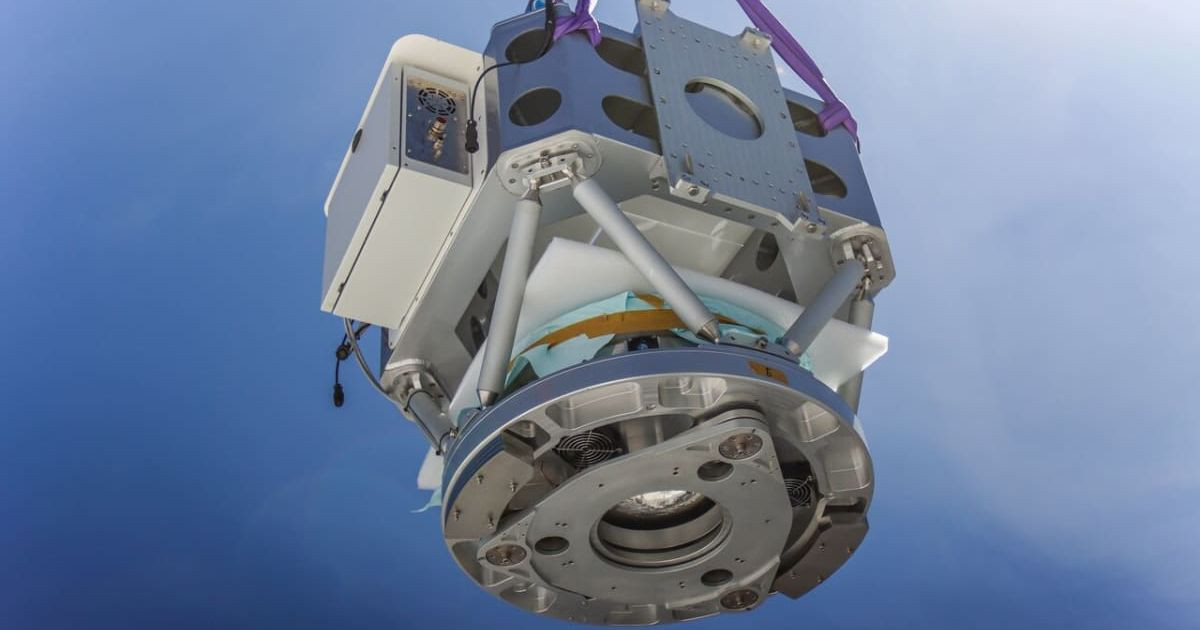
PoET’s architecture enables scientists to observe solar activity in two distinct yet complementary ways. Its main 60-centimeter mirror isolates specific solar surface sections, such as individual sunspots, while a secondary system concurrently gathers light across the entire solar disk. This dual-method measurement permits simultaneous comparison between localized solar phenomena and the Sun’s overall spectral signature in real time, achieving a level of precision previously unattainable in solar studies.
“This telescope allows us to investigate particular solar regions with exceptional resolution, unlike anything conducted before,” states Alexandre Cabral, co-lead researcher from the University of Lisbon. By correlating features like sunspots with variations in the Sun’s spectral output, astronomers can quantify how stellar activity modifies light measurements. These insights are crucial since such distortions are common in other stars and often cause false positives or missed planet detections. PoET effectively transforms the Sun into a controlled environment to hone observational techniques before applying them to distant stars, where direct data is far more limited.

ESPRESSO Extends Its Function from Night Skies to Daylight Solar Measurements
A major advantage of this endeavor is its seamless connection with ESPRESSO, the highly sensitive spectrograph on ESO’s Very Large Telescope (VLT). Previously reserved for nighttime observation of stars, ESPRESSO is now employed during daylight via PoET, greatly enhancing observational capabilities. This continuous usage fuses solar and stellar data streams, generating integrated datasets to improve exoplanet discovery efforts.
“Utilizing ESPRESSO for both nighttime and daytime observations optimizes this instrument’s potential in locating and analyzing exoplanets,” comments Alain Smette, VLT Operations Astronomer at ESO. “Given Paranal’s superb weather, the number of suitable sunny days nearly matches the number of clear nights for observations.” This near-continuous data collection accelerates scientists’ understanding of star behavior and refines planet-detection procedures.
Initial Observations Signal a New Era in Planet Hunting
PoET successfully accomplished its “first light” in early April, confirming that all operational targets have been met. Preliminary assessments demonstrated its capability to capture detailed spectra from both the full solar disk and select solar regions, validating its innovative concept. The research team is now focused on fine-tuning and preparing for full-scale scientific investigations.
This project represents an international collaboration involving Portugal, Italy, and Chile. Operated remotely from the Centre for Astrophysics of the University of Porto, all data is processed through ESPRESSO and archived at the ESO Science Archive Facility, providing open access to researchers globally. This sharing promotes enhanced exoplanet detection techniques worldwide.
By converting the Sun into a precise reference standard, PoET may unveil a new suite of planets that have remained undetected until now, concealed within the complex signals of their stars.
- Categories:
- Space





0 comments
Sign in to Comment