
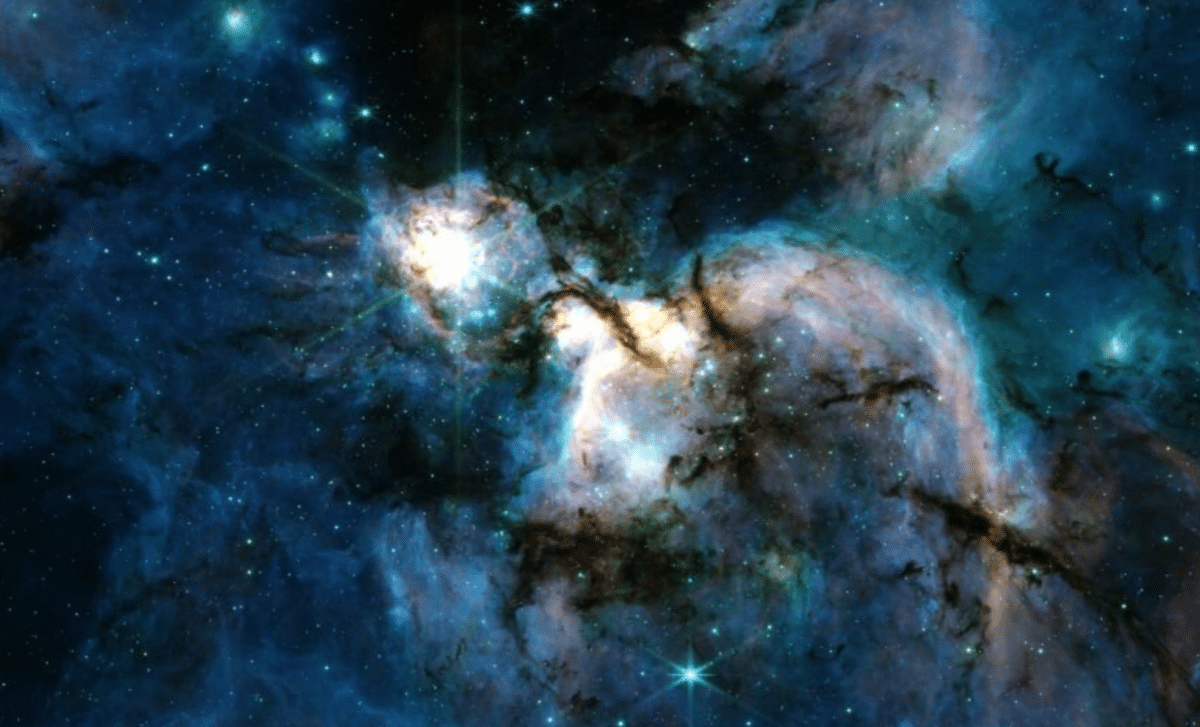
The James Webb Space Telescope (JWST) has illuminated the obscured depths of the W51 star-forming cluster, granting scientists an extraordinary look at newly born, massive stars hidden behind thick dust. This monumental achievement opens new opportunities for understanding the earliest phases of stellar birth and the cosmic forces shaping our galaxy.
Infrared Vision: Unlocking the Universe’s Veiled Secrets
For years, astronomers faced challenges studying star formation cloaked by dense cosmic dust. Conventional optical telescopes and initial infrared instruments on Earth fell short of penetrating these opaque regions to reveal fledgling stars. The JWST’s cutting-edge infrared capabilities have radically transformed this field. In a recent publication in The Astronomical Journal, researchers from the University of Florida utilized JWST to peer through the dust in the W51 star-forming complex, unveiling stellar nurseries that were previously imperceptible.
“We can now see through the dust to view the young stars,” said Adam Ginsburg, Ph.D., a professor of astronomy at UF. “Before, this was impossible with optical and infrared telescopes.”
Add Cosmo Herald as a Preferred Source

This discovery enables scientists to examine stars undergoing formation, providing fresh insights into the processes underpinning their development.
Peering Directly Into Stellar Birthsites
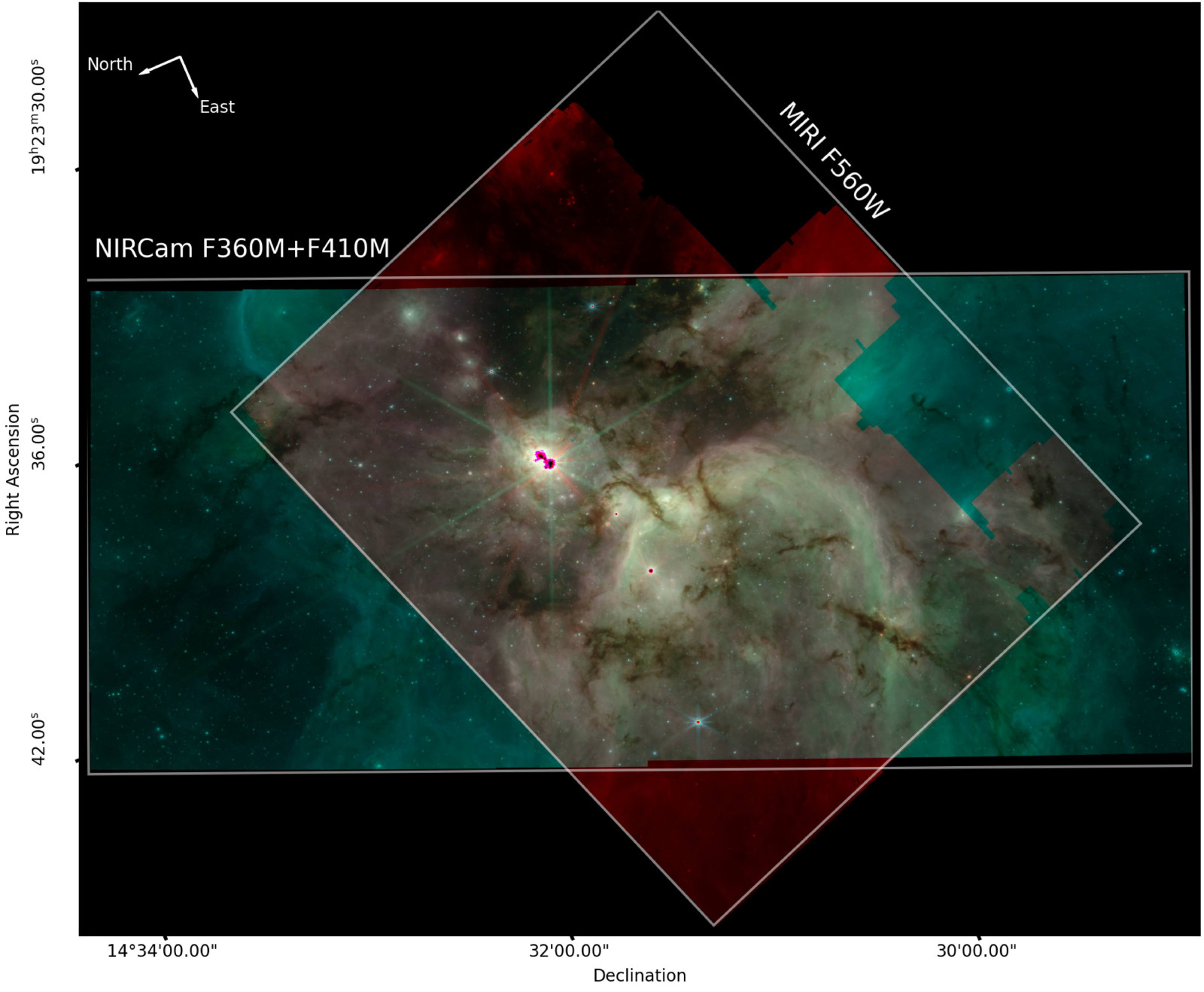
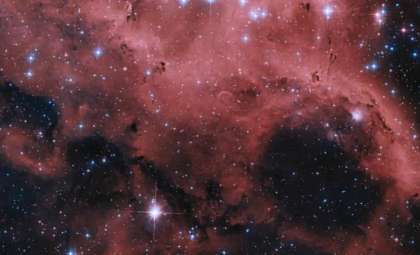
W51 stands out as one of the galaxy's most prolific regions for massive young stars. Leveraging JWST’s superior imaging resolution, astronomers explored the complex formation activities occurring within, capturing stars still in their growth phase. These stars have emerged over the last million years and many remain in early developmental stages.
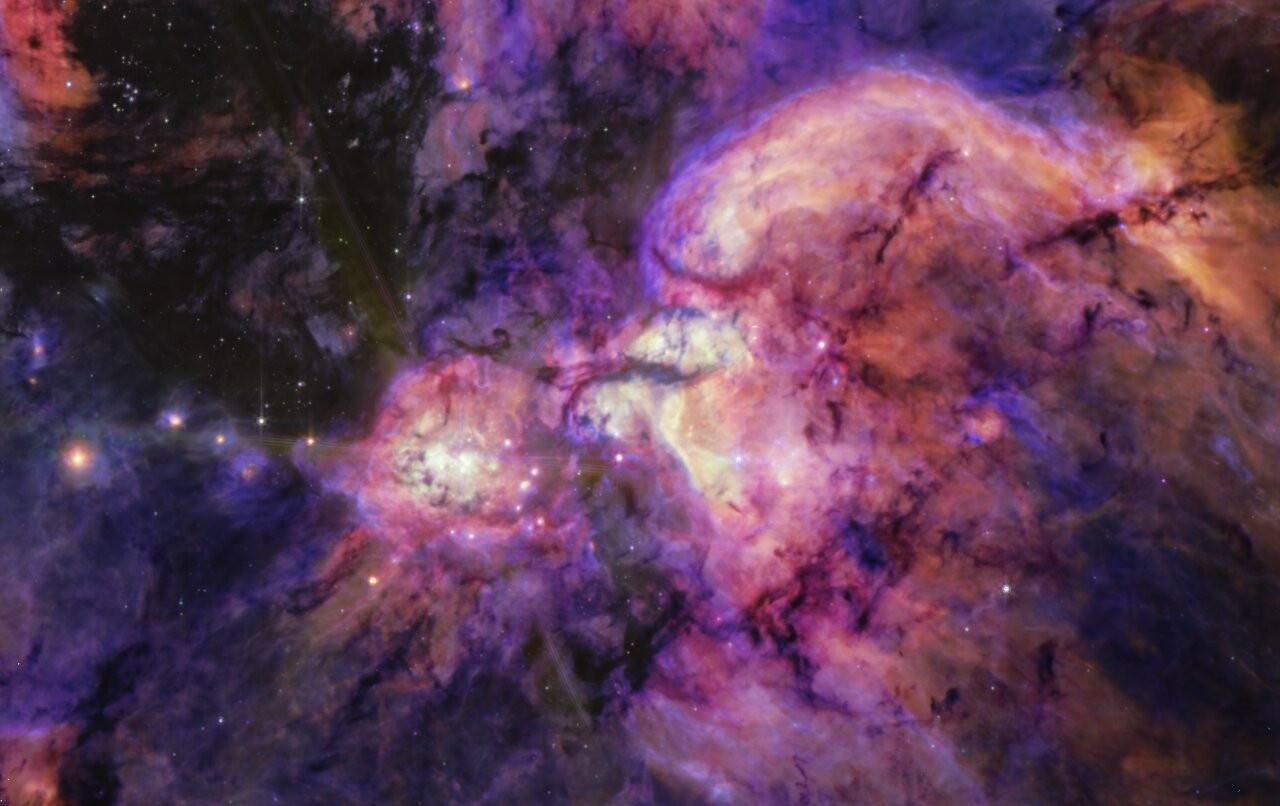
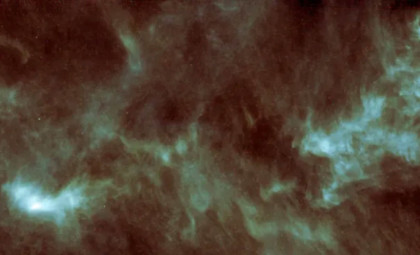
JWST images have also unveiled intricate structures including dark gaseous filaments, ionized bubbles, and intense radiation fields interacting with surrounding clouds. Such features are crucial for understanding star evolution and their environmental impact.
Doctoral researcher Taehwa Yoo highlighted the significance of these findings:
“Because of James Webb, we can see those hidden, young massive stars forming in this star-forming region. By looking at them, we can study their formation mechanisms.”
These observations help address longstanding puzzles about the influence of high-mass stars on galactic environments.
The Distinctive Nature of This Revelation
What distinguishes this achievement is the extraordinary clarity in the images. Although this area was monitored before, earlier observations lacked the resolution now provided by JWST. The telescope’s advanced optics have brought fine details into focus.
“While prior images exist, these new ones are far superior,” Ginsburg remarked. “They’re basically brand-new views.” This enhanced clarity enabled researchers to identify thousands of less massive stars and monitor the effects of intense stellar winds on their surroundings, delivering key data to refine star formation theories.
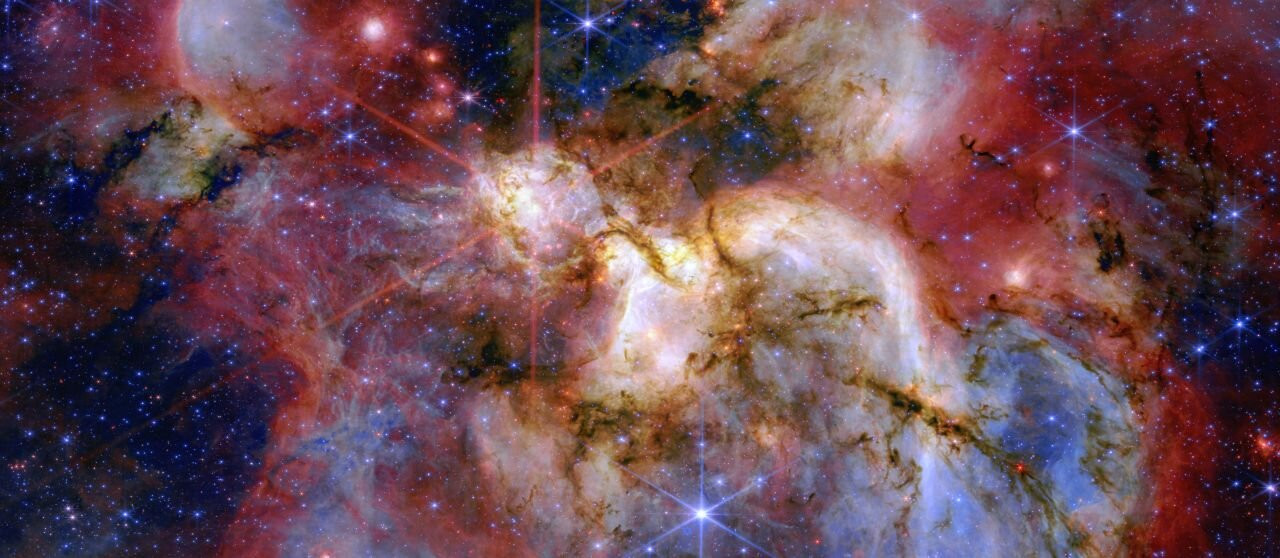
Each analysis of the images continues to reveal unexpected findings. “Every time we study these photos, new, surprising details emerge,” Ginsburg added, emphasizing the rich informational content.
Integrating Observations: Complementarity with ALMA
Although JWST has revolutionized star-formation research, the scientific team complemented its data with observations from the Atacama Large Millimeter/submillimeter Array (ALMA). Together, these instruments provide a fuller perspective: JWST unveils stars hidden within dust, while ALMA probes cold gas and dust components invisible in infrared, painting a more comprehensive picture.
Merging insights from both telescopes revealed that only a small percentage of stars are detected by bothL underscoring the necessity for diverse observational techniques to unravel the intricacies of star formation.
- Categories:
- Space



0 comments
Sign in to Comment