
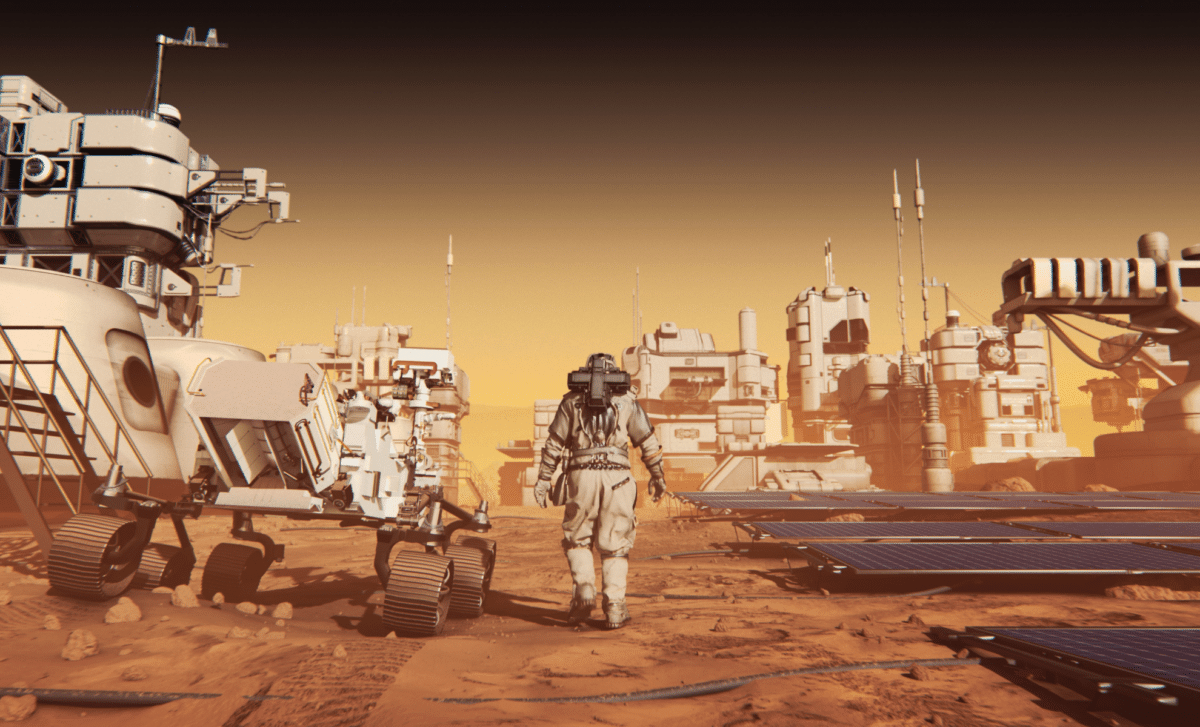
Scientists from the Indian Institute of Science, in partnership with the Indian Space Research Organisation (ISRO), have uncovered a fascinating possibility: toxic substances in Martian soil might be harnessed to create building materials essential for human settlements on Mars. This recent research, featured in PLOS One, explores how Earth-based bacteria could transform Martian dirt into sturdy construction components, potentially revolutionizing how space missions utilize local resources for habitat development.
Transforming Hazardous Martian Soil into Habitat Materials
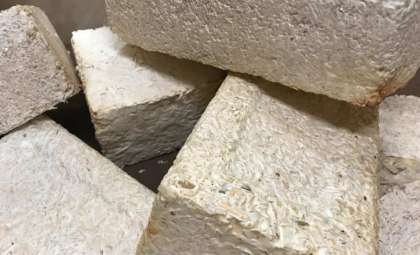
Utilizing indigenous resources, known as in situ resource utilization, remains a critical strategy for sustainable exploration of Mars. The study focuses on the bacterium Sporosarcina pasteurii, commonly found in terrestrial soils, which is capable of binding Martian-like regolith into compact, brick-like forms. This technique could prove vital for long-duration Mars missions where dependence on Earth-supplied materials is impractical. As astronaut and study co-author Shubhanshu Shukla notes,
“The idea is to do in situ resource utilization as much as possible. We don’t have to carry anything from here; in situ, we can use those resources and make those structures, which will make it a lot easier to navigate and do sustained missions over a period of time.”
Add Cosmo Herald as a Preferred Source

This advancement marks a key development towards establishing self-reliant bases on Mars. By leveraging regolith and bacteria collectively, future explorers could build protective shelters that guard against the planet’s hostile environment, drastically reducing costs and logistical challenges tied to importing building supplies from Earth.
Perchlorate: From Hazard to Helper in Martian Construction
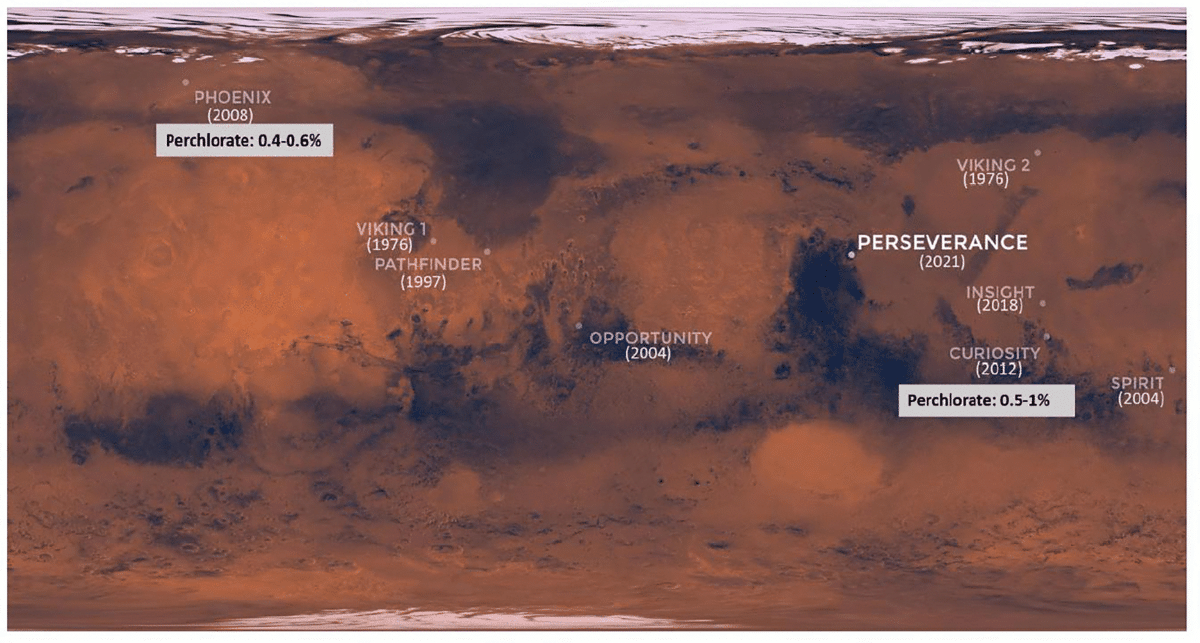
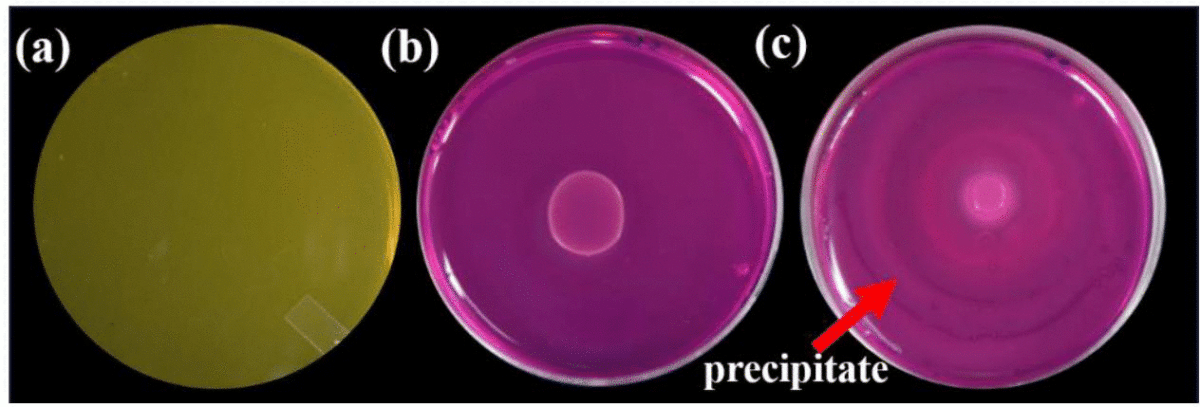
Perchlorate, a chlorine-based toxic compound prevalent in Martian soil, poses significant challenges for human survival and life-support systems on the Red Planet. Yet, this research reveals a surprising benefit: perchlorate enhances the bacterial process used to solidify soil. During testing, the presence of perchlorate induced stress in Sporosarcina pasteurii bacteria, triggering increased protein secretion that forms calcium carbonate crystals, which bond soil grains more effectively.
The stress response results in the production of stronger, more resilient bricks—possibly turning a hazardous chemical into an asset for Mars habitat construction.
“When the effect of perchlorate on just the bacteria is studied in isolation, it is a stressful factor,” said microbiologist Swati Dubey, another co-author of the study. “But in the bricks, with the right ingredients in the mixture, perchlorate is helping.”
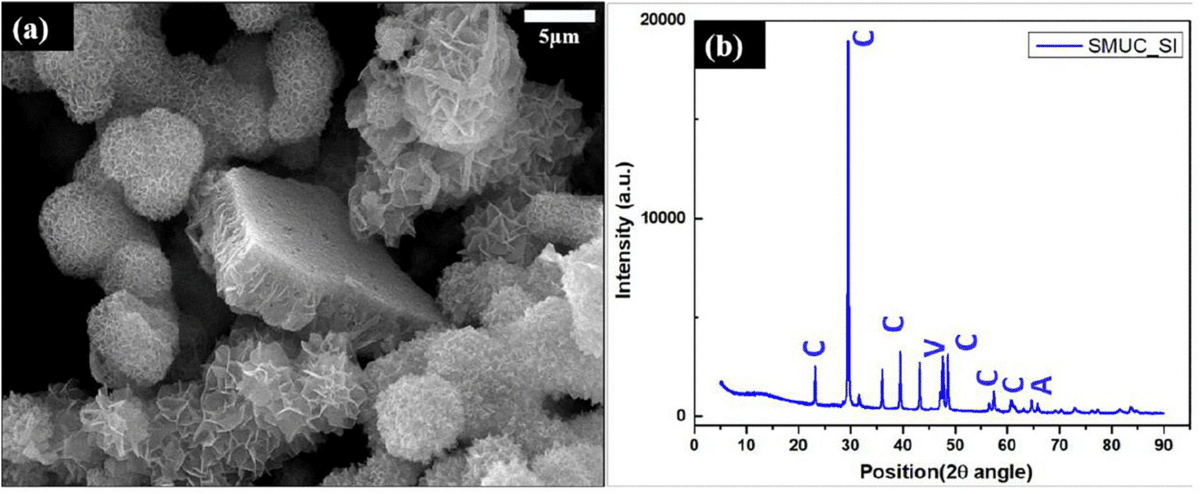
Published in PLOS One, the findings suggest that perchlorate may bolster the biocementation process by enabling microscopic connections, or “microbridges,” which increase the cohesion between bacterial cells and soil particles, enhancing the material's mechanical strength.
Biocementation: Harnessing Bacteria for Martian Habitat Construction
Biocementation involves bacteria producing proteins that react chemically with soil minerals, causing crystals to form and effectively cement particles together. This natural adhesion process was enhanced in the study by adding nickel chloride and guar gum, a plant-derived binder, yielding bricks robust enough to endure the extreme Martian environment.
Remarkably, the bacteria adapted well even when exposed to soil conditions containing perchlorate, and their stress-induced protein production led to improved material strength. As stressed by Shubhanshu Shukla, the ultimate aim is clear:
“We don’t have to carry anything from here; in situ, we can use those resources and make those structures.”
The capacity to produce construction materials directly from Martian soil, aided by bacterial biocementation, offers a promising pathway for sustainable human presence on Mars.
Simulating Martian Conditions to Refine Building Methods
To evaluate the feasibility of this biological cementation on Mars, the research team simulated Martian soil using Mars Global Simulant 1, which replicates many properties of actual Martian dirt but initially lacks perchlorate. By intentionally adding perchlorate, scientists could more accurately study bacterial behavior under Martian-like conditions.
The encouraging outcomes pave the way for future experiments involving Mars’ CO2-rich atmosphere, cold temperatures, radiation exposure, and limited resources. As co-author Aloke Kumar points out, understanding how terrestrial organisms perform in such “alien” environments remains a vital scientific challenge to overcome for future interplanetary exploration.
- Categories:
- Space





0 comments
Sign in to Comment