
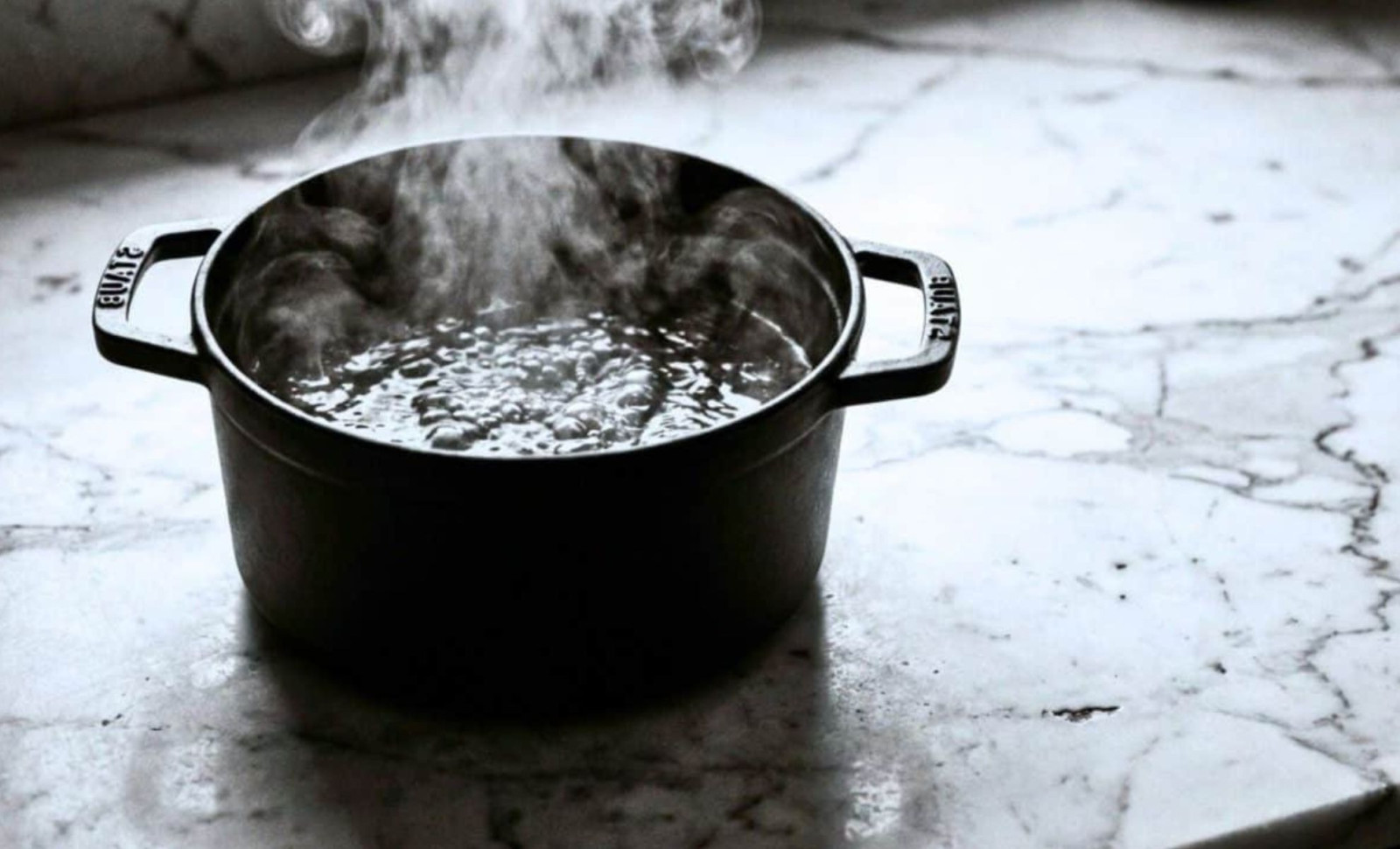
At a tile exhibition in Bologna back in 2021, attendees gathered around a seemingly ordinary stone slab. A chef placed a saucepan atop the surface, and soon water began to simmer and then boil—yet there was no visible flame, glass panel, or burner to indicate any heat source.
Excited onlookers tried to capture the phenomenon on their phones, though the technology’s magic escaped camera lenses. Fast forward to early 2026, and this seamless blend between countertop and cooking surface has become a well-established feature in upscale home construction.
Installers embedding induction coils beneath engineered stone often hear a familiar question from homeowners—not about power consumption or efficiency, but concerns about whether the surface will stain, if heat will diffuse across the countertop, or if a kitchen island that blends in can still deliver a proper sear.

How the Technology Functions
These invisible induction cooking units rely on the same electromagnetic mechanism as traditional induction cooktops. A copper coil hidden underneath the countertop emits a magnetic field that activates heat directly in magnetic cookware. The countertop itself remains unaffected as the heat source, but the properties of the surface material are crucial for the technology to work effectively.
According to manufacturer compatibility guides, only certain engineered stones, dense porcelains, and specific sintered composites meet the necessary criteria. The surface must be nonconductive and have thermal resistance, with thickness restricted to roughly 12 to 20 millimeters. Thicker slabs weaken the electromagnetic field, while thinner ones risk structural integrity. Natural granite and most quartz-based stones are typically unsuitable.
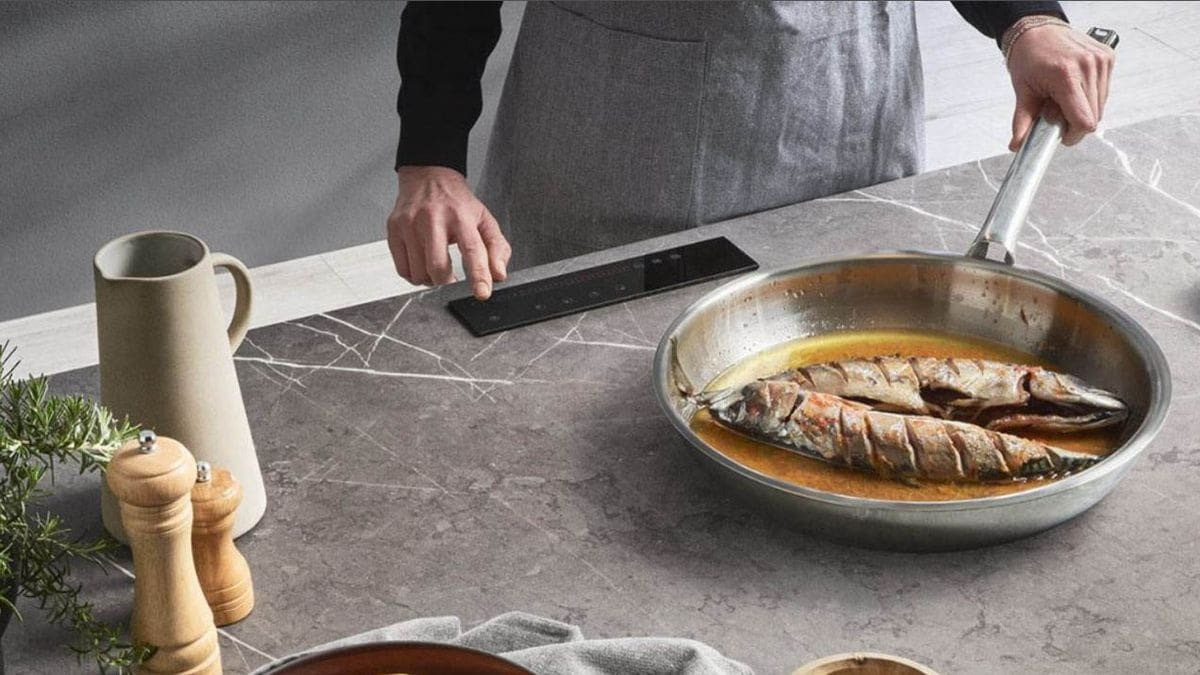
In March 2023, Invisacook addressed a longstanding usability issue with its launch of Invisacookware. These pots and pans feature built-in risers that protect the countertop from overheating during extended cooking sessions—a function previously managed by accessories like the Invisamat. Time magazine praised the cookware in its October 2023 Best Inventions edition, highlighting improvements in both utility and design.
Installer materials cite energy efficiency rates of 84 to 90 percent, matching those of visible induction cooktops. Yet, cooking speed feedback varies. Jonathan Scott noted in an interview with The Kitchn that Invisacook units can heat water nearly twice as fast as conventional induction stoves. A demonstration from Invisacook California showed water boiling in just four minutes. Conversely, Reddit user reports, also referenced by The Kitchn, indicated slower heating and occasional electrical malfunctions, alongside incidents of countertop cracking.
Heat Distribution and Surface Considerations
Consumers often hear the claim that the countertop remains cool during cooking. However, technical specs from Invisacook reveal that surface temperatures can increase by 15 to 20 degrees Celsius after around ten minutes of maximal use. This temperature is warm to hot, meaning the surface cannot remain a safe prep area immediately after cooking.
This heating restricts the countertop’s multifunctional use. For example, a cook finishing searing cannot immediately chop ingredients on the same spot. While the integrated appearance is seamless, practical usage has temperature-related limits.
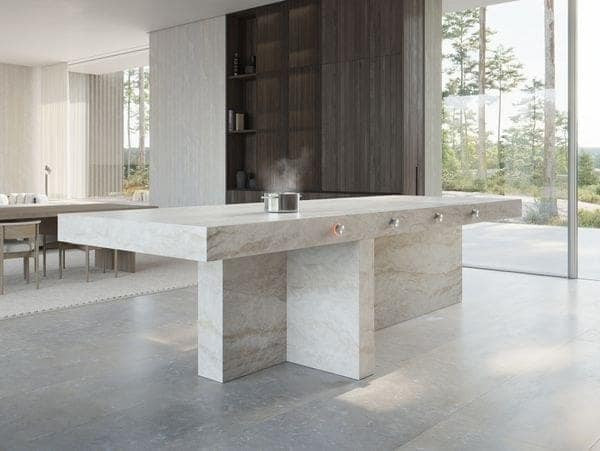
Gina D’Amore Bauerle from D’Amore Interiors, interviewed by the National Kitchen and Bath Association, identified Invisacook as a top choice for adding both style and utility within compact spaces. Her review celebrated the expanded usable counter space but did not focus on the required thermal cooldown phase following cooking.
Costs and Maintenance Challenges
Invisacook’s pricing updates in 2025 show a four-zone system costs around $2,800, excluding the countertop material, fabrication, or installation labor. Comprehensive estimates, as reported by The Kitchn in 2025, range between $5,000 and $8,000. Cookware designed for induction adds an extra $550 to $850.
These prices generally apply to new builds or major renovations. For retrofits, replacing or lifting the existing slab is necessary. Modifications to cabinetry to house coils and dedicated 240-volt electrical connections are also required—this is not a simple plug-and-play upgrade.
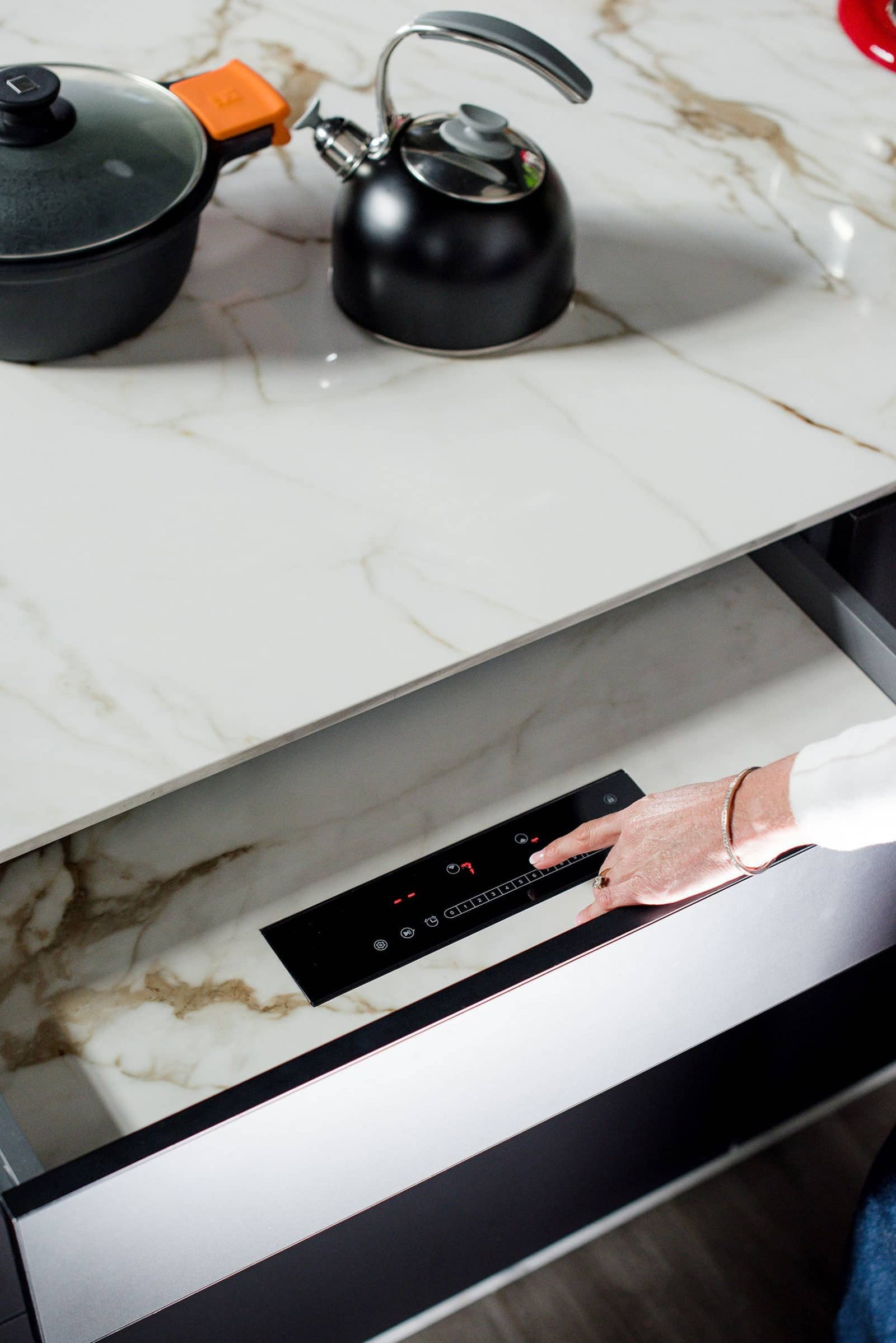
Accessing the system for repairs adds complexity. Since coils are placed beneath bonded surfaces, fixing faults may entail removing the countertop or reaching from below—potentially requiring dismantling ceilings in multi-story homes. To handle this, select German installers now provide premium maintenance contracts. However, no universal service protocol exists among manufacturers.
Market Trends and Buyer Insights
More revealing than sales volume is the shift in how these systems are sourced. By late 2025, Invisacook and Bora revealed that over 60 percent of orders came from architects and design-build firms, not individual homeowners. The technology is now often integrated during initial design stages.
Architects focus on maintaining visual harmony, surface finishes, and seamless integration. Upcoming innovations are likely to feature thinner countertops, a wider range of material options, and subtler user interfaces, rather than simply boosting power output. Currently, touch-sensitive edge controls and discreet LED heating indicators are standard, pushing the trend toward greater invisibility.
San Diego-based designer Selena Michele, quoted by The Kitchn via social media, summarized the appeal: the goal is to preserve the kitchen’s aesthetic without bulky stoves or cooktops disrupting the design.
- Categories:
- News












0 comments
Sign in to Comment