
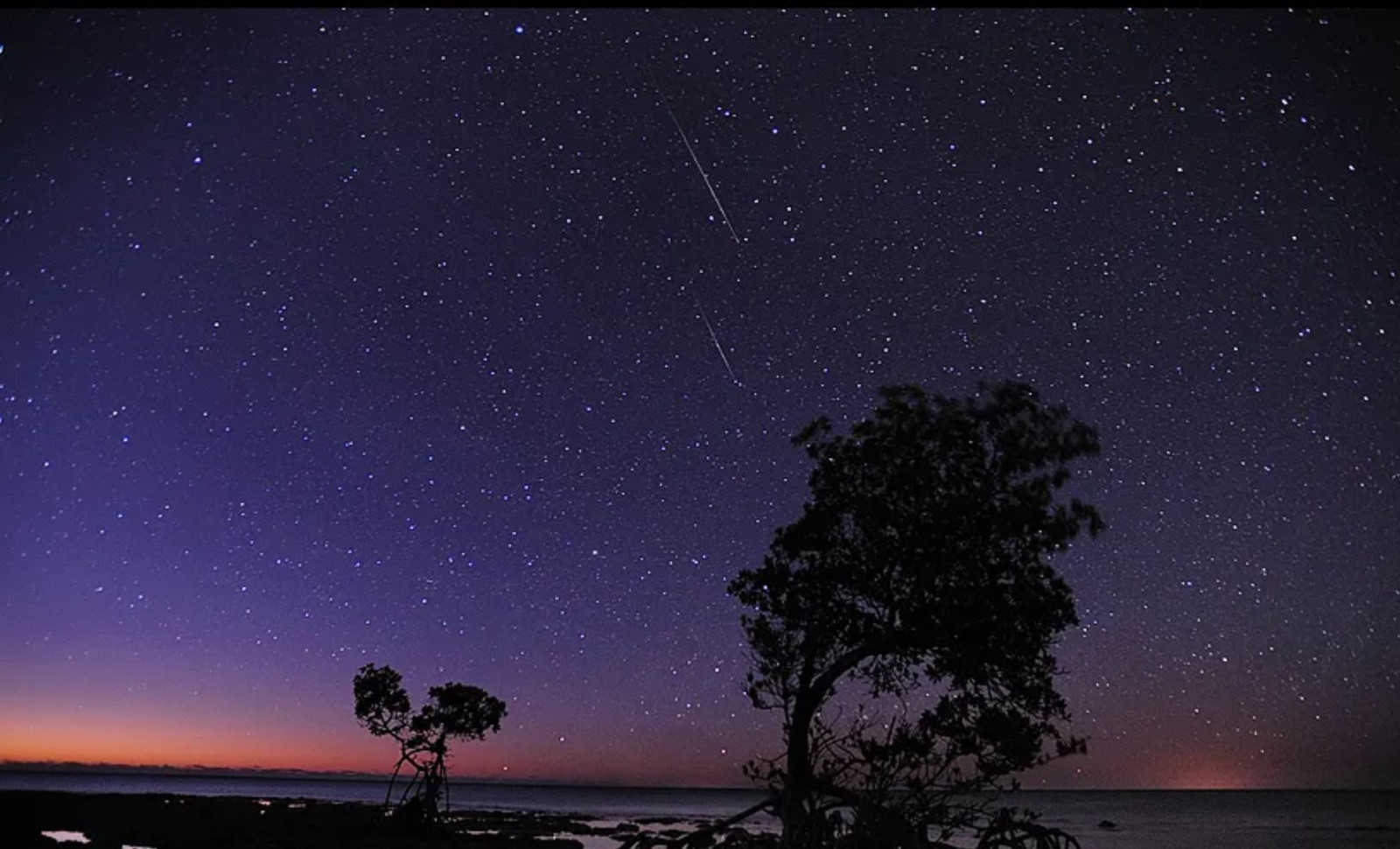
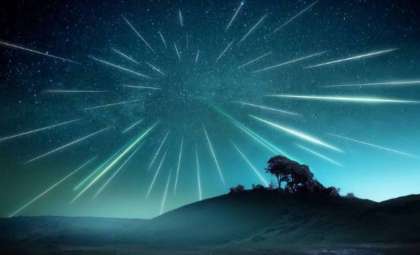
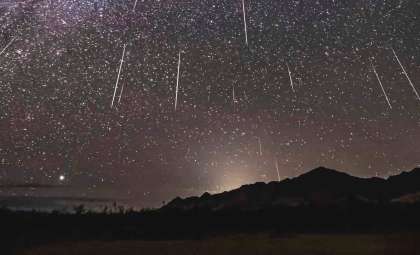
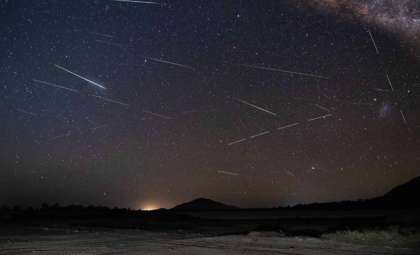
The Quadrantid meteor shower, one of the briefest yet most intense meteor displays annually, is set to illuminate the night sky this week. At its height, this shower can emit as many as 100 meteors per hour, rivaling only a few others in meteor activity. However, this year’s observation will be challenged by the glow of a full moon.
Primarily observable from the Northern Hemisphere, the Quadrantids are known for their dazzling but fleeting peak, lasting only a few hours, unlike longer-lasting showers like the Perseids or Geminids.
Originating From a Historical, Obscure Constellation
The name “Quadrantids” is derived from Quadrans Muralis, a constellation that has since been decommissioned by modern astronomers. This unique background makes the meteor shower stand out. Additionally, the source of the shower is unusual, linked to the enigmatic asteroid 2003 EH1, described as a “rock comet.”

In the 20th century, the International Astronomical Union retired Quadrans Muralis, merging its region with the nearby Bootes constellation, which is adjacent to the well-known Big Dipper. While the meteors seem to radiate from this zone, scanning the skies near Bootes isn't the most effective strategy. Space.com advises that observing a broader area of the sky can reveal longer, more vivid meteor trails originating farther from the radiant point.
The Curious Case of Asteroid 2003 EH1
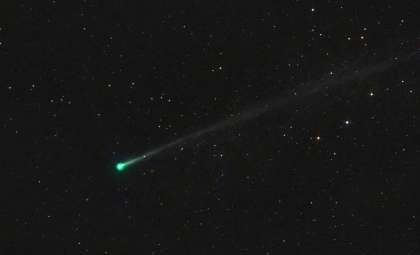
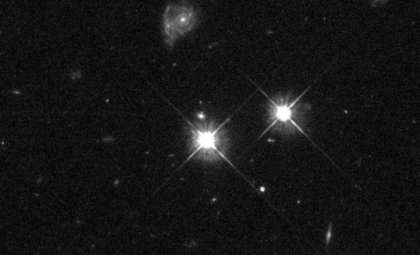
The Quadrantid shower stems not from a traditional icy comet but from a rare kind of celestial body: the asteroid 2003 EH1. Discovered approximately 20 years ago by SETI Institute astronomer Peter Jenniskens, this object exhibits comet-like traits but appears dormant.
“It was either a piece of a comet or a comet itself, and then it became extinct,” said Bill Cooke, a NASA meteor expert.
Some experts propose that 2003 EH1 may be the leftover core of comet C/1490 Y1, a comet observed historically over China in the year 1490. That year’s celestial events were notably striking and documented in ancient records. If this theory holds true, current Quadrantid meteors trace back to debris from an astronomical phenomenon witnessed over 500 years ago.
Viewing Prospects for 2026: Challenging but Viable
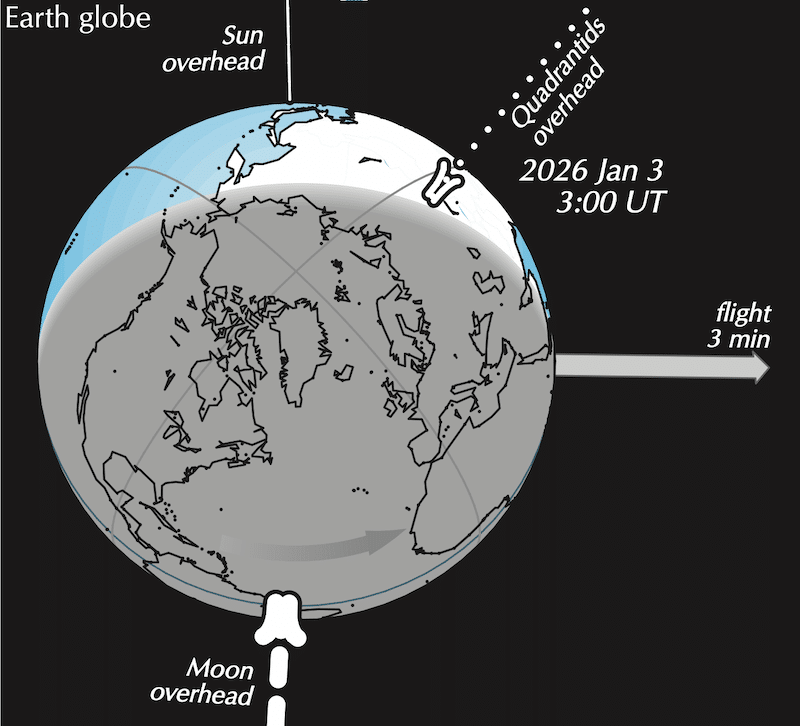
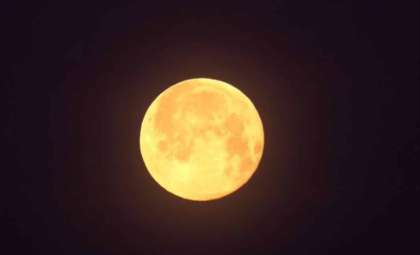
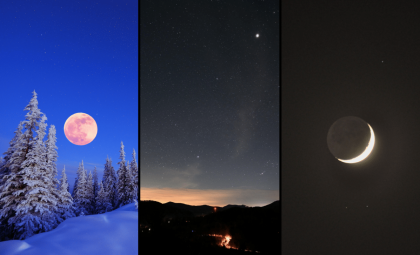
The key question for skywatchers every year is whether viewing conditions will be favorable. For the night spanning January 3 to 4, 2026, prospects are somewhat dim. As Earthsky notes, the meteor shower’s maximum coincides with a luminous full moon, which makes spotting faint meteors considerably harder.
Nonetheless, determined observers shouldn’t give up. Even with bright lunar glare, prominent meteors called fireballs, which can briefly outshine the moon, often remain visible. This potential makes the effort worthwhile despite less-than-ideal conditions.
To enhance your chances, find a dark, secluded spot well away from urban light pollution, and allow your eyes at least 30 minutes to adapt to darkness. Remember, telescopes or binoculars are discouraged because meteors are best appreciated with the naked eye across a wide stretch of the sky.
- Categories:
- News

0 comments
Sign in to Comment