
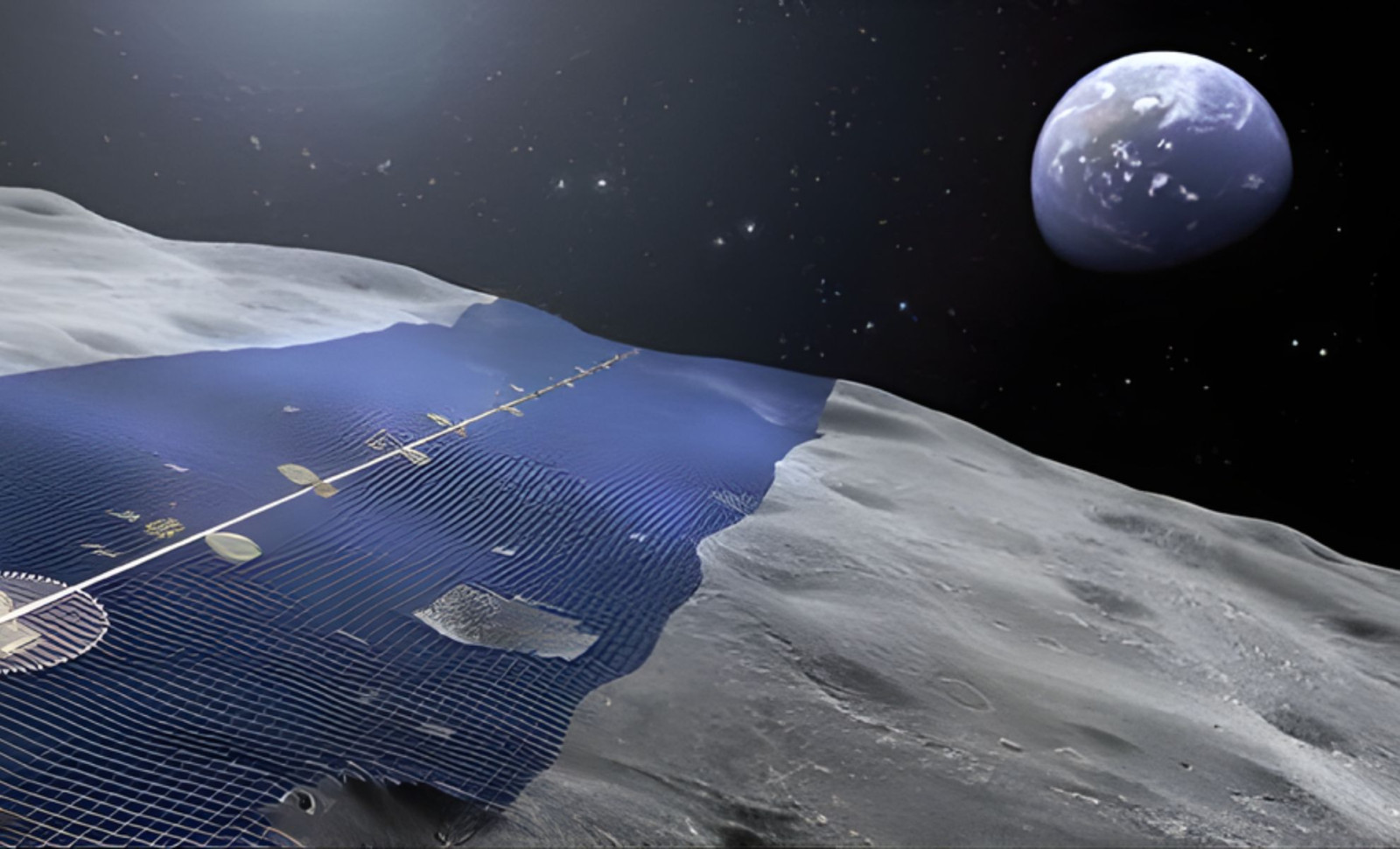
A Japanese enterprise has unveiled an ambitious concept: constructing an immense solar panel ring encircling the moon to wirelessly transmit clean energy back to Earth. Dubbed the Luna Ring, this idea seeks to deliver uninterrupted power, immune to nightfall or weather disturbances.
Originating from Shimizu Corporation, the initiative emerged as a response to Japan’s energy difficulties after the 2011 earthquake and tsunami. With numerous nuclear facilities decommissioned, the company is exploring extraterrestrial energy generation as a solution. Positioned in constant sunlight, the moon offers a stable source of solar energy, enabling perpetual electricity production.
An Enormous Lunar Solar Belt Proposal
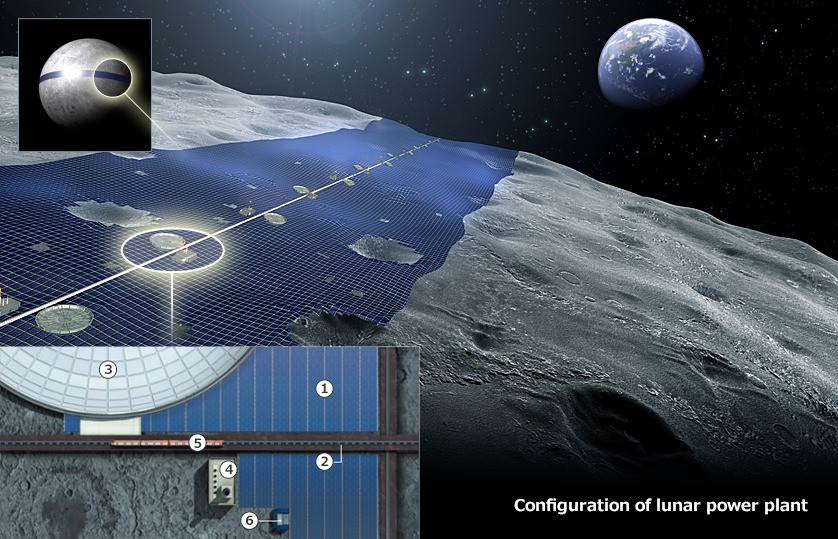
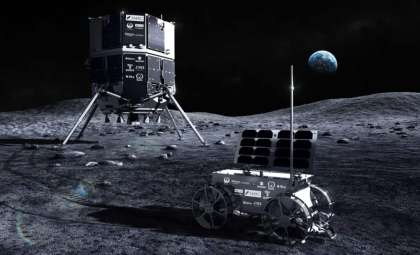
The design involves installing a 250-mile-wide band of photovoltaic panels along the lunar equator, spanning roughly 6,800 miles. According to Shimizu Corp., the base infrastructure would utilize concrete fabricated from lunar regolith, with robotic automation overseen remotely from Earth to manage construction.

By sourcing materials from the moon itself, the project aims to reduce dependency on Earth-supplied resources. Employing robots also addresses the challenges of human labor in the harsh lunar environment.
“The sand on the moon is an oxide compound, so it would be possible to produce oxygen and water if hydrogen were brought from the earth. Moreover, we could produce cement by mixing water with sand and gravel to produce concrete. It would also be possible to use the heat from the sun to produce blocks and glass fiber,” explained the company.
Shimizu estimates that the solar ring could yield up to 13,000 terawatts of power. The absence of lunar weather phenomena assures uninterrupted solar panel operation.
Transmitting Power Back to Earth
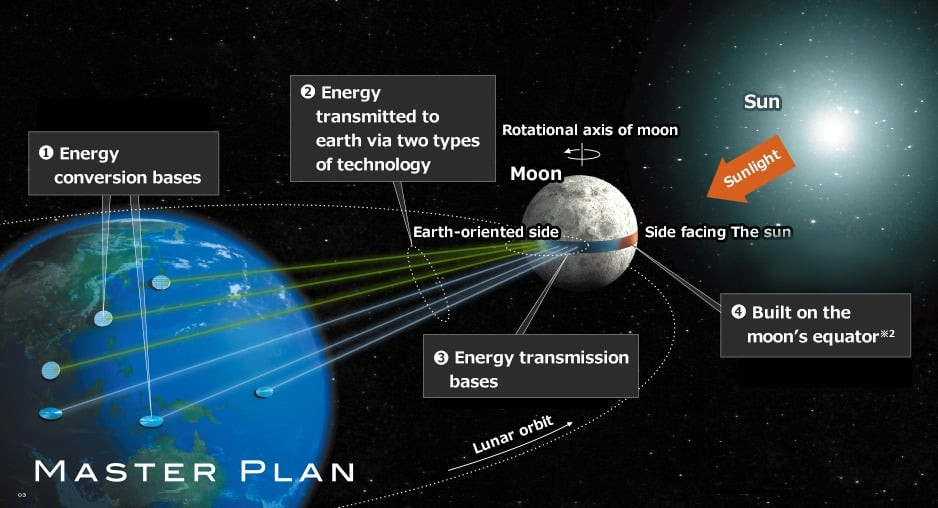
The generated electricity would be converted into microwave and laser signals and beamed toward terrestrial receiving stations, enabling efficient energy transfer.
“Generate power by installing a ring of solar power cells around the equator of moon. Convert the power into microwave laser beams and transmit this energy to earth from the side of the moon that always faces the earth,” she added.
Shimizu reiterates the potential for the ring to deliver up to 13,000 terawatts continuously, thanks to the moon’s perpetually clear and sunlit surface.
Significant Obstacles to Overcome
Despite the promise, many challenges linger. The project’s financial feasibility remains undefined, a concern given the scale and distance involved. Additional issues include the disruptive effect of lunar dust on equipment and solar arrays, as well as the need for global collaboration.
Though Shimizu envisions construction starting by 2035, numerous technical and logistical specifics have yet to be finalized. Whether this concept becomes reality or remains visionary, it marks a bold exploration into future energy solutions beyond Earth.
- Categories:
- Space






0 comments
Sign in to Comment