
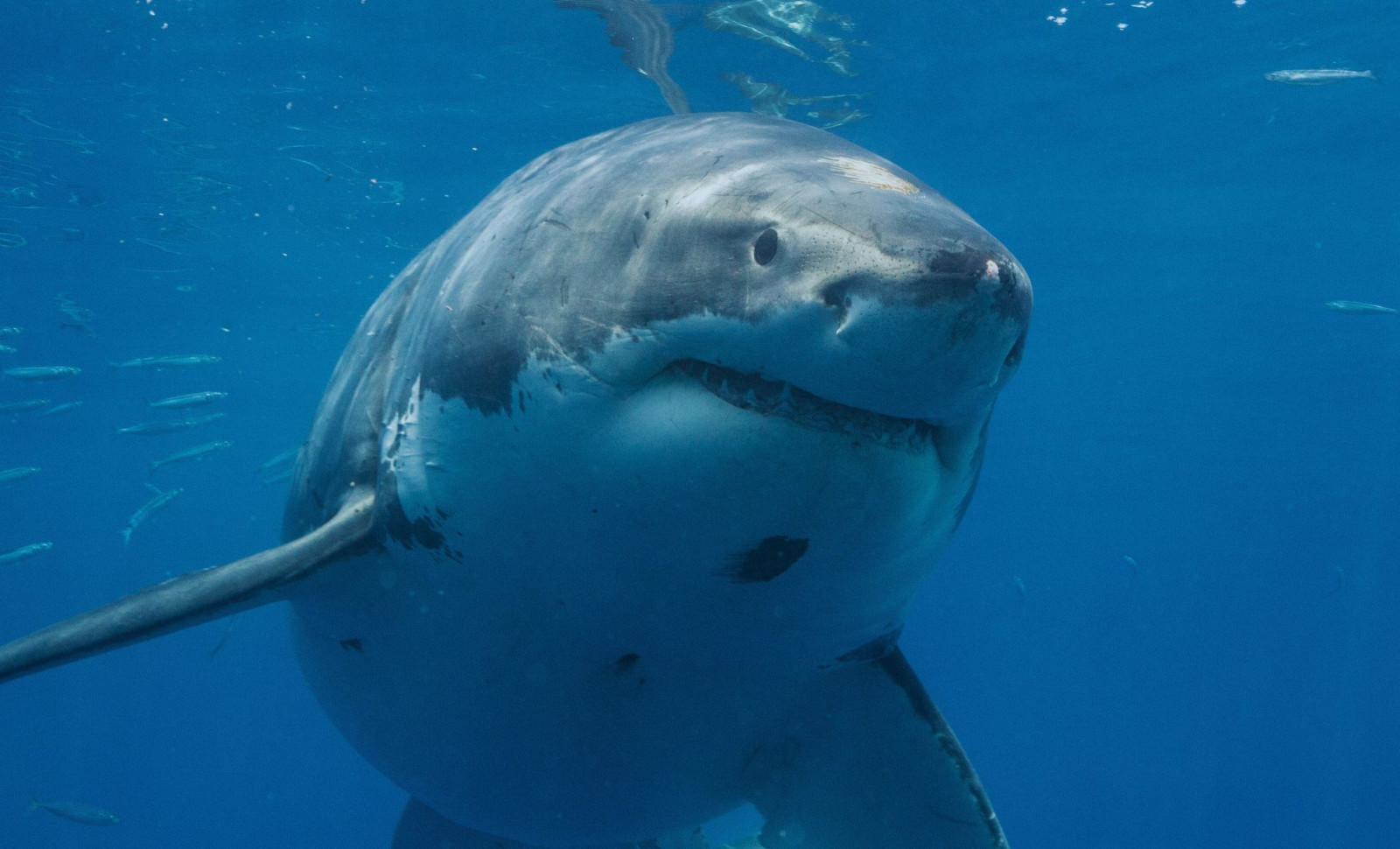
A young great white shark spotted in the Mediterranean Sea has reignited interest in a population once thought extinct by many scientists. This unusual sighting near Spain has prompted experts to revisit over 160 years of historical data.
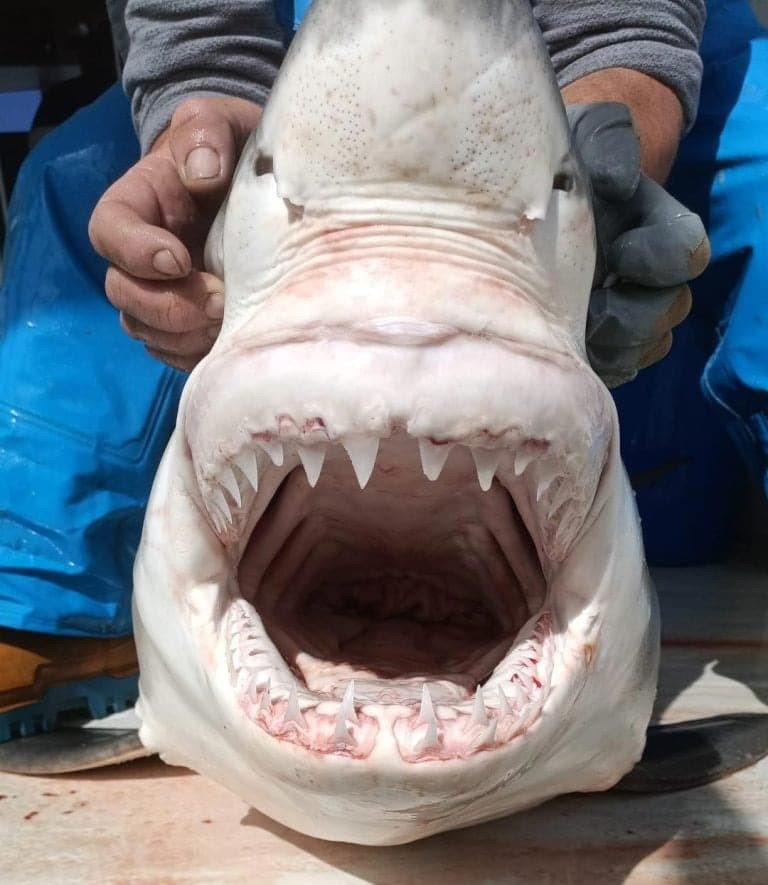
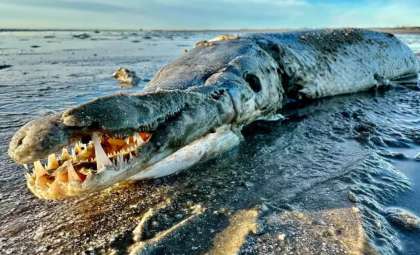
The shark, measuring about 2.1 meters and weighing between 80 to 90 kilograms, was found by fishermen on April 20, 2023. Sightings in this region remain rare, making each confirmed encounter crucial for tracking this elusive species.
To determine if this observation is unique or part of a continuing pattern, scientists examined historical records dating back to the 19th century. Their goal was to verify whether great white sharks continue to inhabit these waters.

Historical Data Uncovers a Persistent but Elusive Population
The researchers compiled records of sightings and captures in the Spanish Mediterranean starting from 1862, constructing a meticulous timeline of the species’ presence. Published in Acta Ichthyologica et Piscatoria, their study indicates a steady yet sporadic pattern of appearances.
Instead of disappearing altogether, the species seems to persist in low numbers, forming what scientists call a “ghost population.” Extended periods without sightings have fueled assumptions that great white sharks no longer exist locally.
This irregularity stems from both the challenges in monitoring large marine predators and the wide-ranging nature of Carcharodon carcharias. The Mediterranean’s population density appears sparse, but cumulative records support a continuous presence over time.

Significance of a Juvenile Specimen
The discovery of a juvenile individual has sparked renewed scientific interest. This finding offers more than just proof of presence. Lead author Dr. José Carlos Báez emphasized how identifying young sharks is key to understanding the species’ regional status.
“Determining the presence of juvenile individuals is of particular importance,” says Dr. José Carlos Báez, the study’s lead researcher. “The occurrence of juvenile specimens raises the question whether active reproduction may be occurring in the region.”
The team suggests this could challenge the existing view of the Mediterranean as merely a passageway for migrating sharks. Confirmation of breeding, even if limited, could transform our understanding of how great white sharks inhabit these waters.
Misunderstood Predator with a Vital Ecological Role
Great white sharks often evoke fear due to sensationalized media portrayals, yet the historical data reviewed suggest encounters in the Spanish Mediterranean have been infrequent.
“The main idea I want to convey to the public is that these large marine animals have a fundamental role in marine ecosystems. As highly migratory pelagic species, they redistribute energy and nutrients across vast distances,” Báez added“They serve as nature’s scavengers – by consuming carrion, they keep ecosystems clean. Even in death, their descent to the seafloor provides a critical pulse of nourishment for deep-sea communities.”
Classified as Vulnerable by the IUCN Red List, great white sharks are declining worldwide. Continuous monitoring is vital for understanding their behavior and improving conservation efforts.
“By shedding light on the biology and ecology of the great white shark, research can help replace unfounded myths with genuine understanding,” he said.
- Categories:
- News










0 comments
Sign in to Comment