
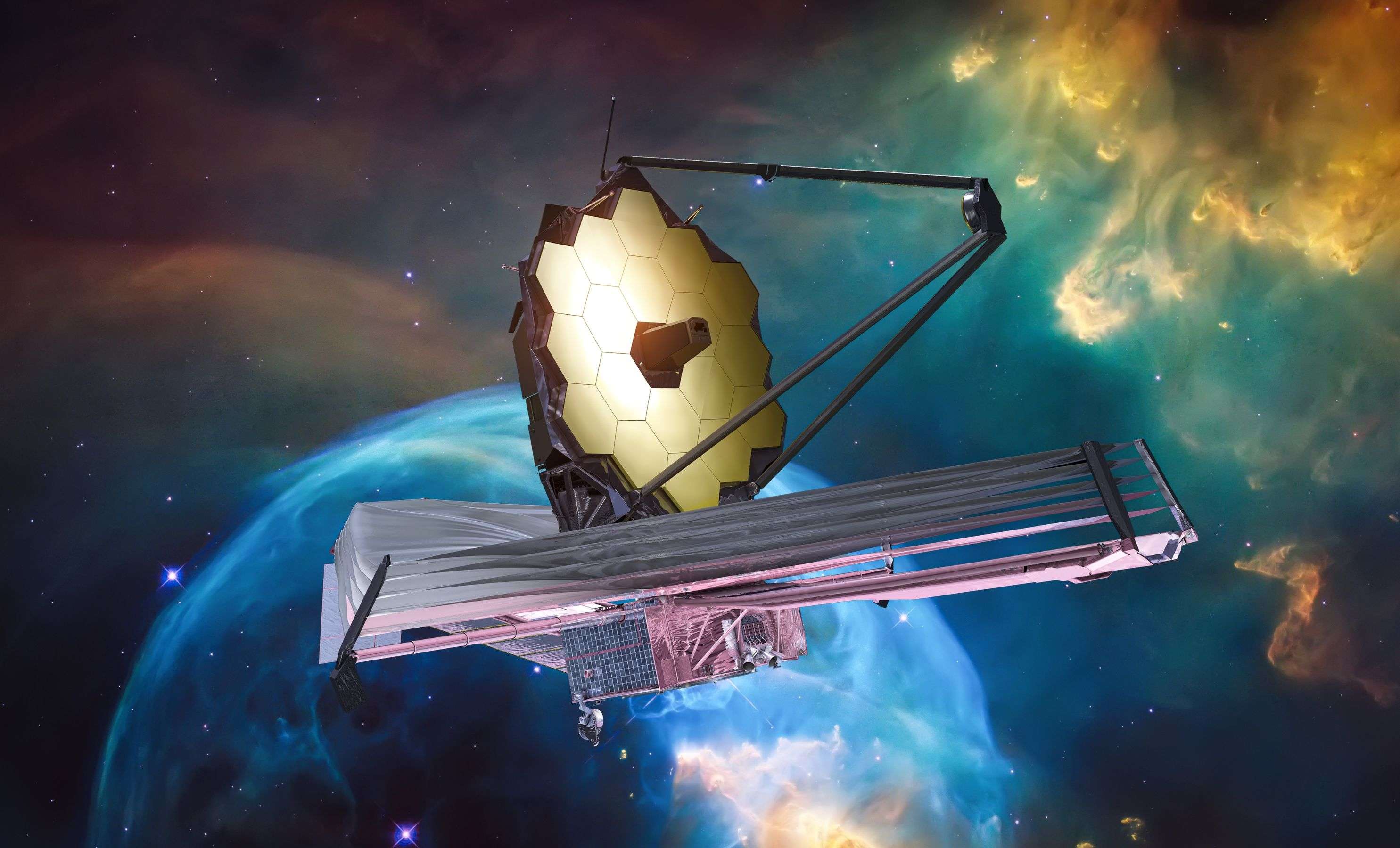
The James Webb Space Telescope (JWST) has achieved a milestone by capturing its initial detections of tidal disruption events (TDEs) — dramatic occurrences where supermassive black holes rip apart stars that stray too close.
Uncovering Quiescent Black Hole Behemoths
TDEs have been recorded by astronomers since the 1990s, mostly in galaxies with sparse gas and dust. These phenomena happen when a star’s trajectory brings it dangerously near a supermassive black hole, whose powerful gravitational forces stretch and dismantle the star. This violent breakdown, called spaghettification, releases intense radiation as the star is torn apart, enabling scientists to observe these cataclysms across multiple wavelengths.
Detecting such events in galaxies swathed in dense clouds of gas and dust has proven challenging. Optical and X-ray light cannot penetrate these thick barriers, concealing these phenomenal occurrences from telescopes. The JWST’s infrared capabilities have transformed this outlook, allowing astronomers to peer through the shrouds and spot TDEs that were once invisible.

Megan Masterson, lead researcher at the Massachusetts Institute of Technology, noted, “These are the first TDEs captured by JWST, and their appearance is unlike anything we've encountered before.”
Seeing Beyond the Obscuring Dust
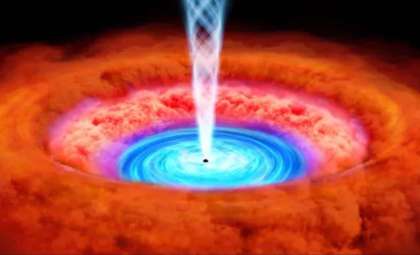
Focusing on four obscured galaxies suspected to host TDEs, the researchers leveraged the JWST’s sensitivity to identify a distinct infrared pattern linked to black hole feeding activity. This unique signature emerges when intense radiation from a black hole’s surrounding accretion disk ionizes electrons in nearby atoms — specifically neon — producing infrared emissions at wavelengths that reveal black hole accretion.
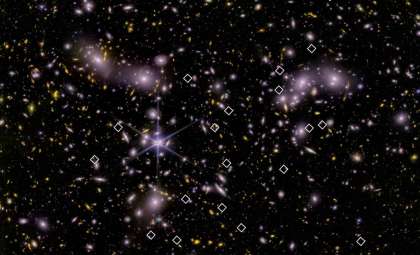
Among 12 possible dusty TDE locations examined, the team found this neon signature in four galaxies. Notably, one was the closest such event recorded at only 130 million light-years away, confirming that supermassive black holes are actively consuming stars within galaxies previously hidden by expansive dust clouds.
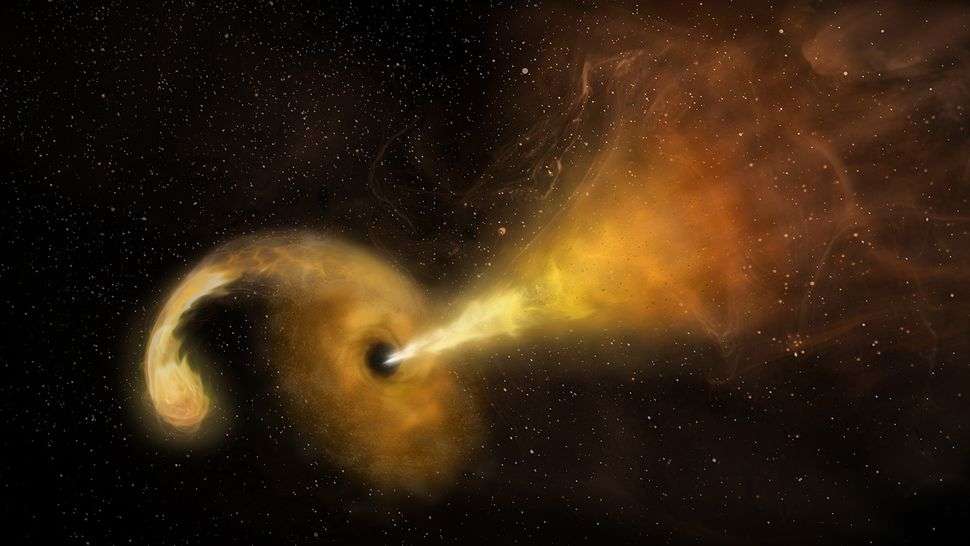
Black Holes Stirring From Dormancy
An intriguing insight from these observations is the activity state of the supermassive black holes detected. The team aimed to distinguish whether these black holes remain constantly active by steadily consuming surrounding matter or if they are largely dormant, awakening only when a star ventures too close.
Data illustrated clear contrasts between always-active black holes and those analyzed in this research. Active galaxies feature dusty material arranged in clumpy, torus-like formations around black holes, continuously providing fuel.
In contrast, the JWST revealed different dust structures in the four galaxies studied, implying their supermassive black holes are not persistently feeding. Rather, these black holes appear dormant, lying in wait until a star strays within reach.
Opening New Avenues in Black Hole Exploration
These discoveries mark significant progress in unraveling the mechanisms of black hole accretion. Although TDEs have been observed before, they were mostly identified in less obscured galaxies, making this breakthrough critical for understanding black hole behavior in hidden environments.
The researchers plan to continue identifying more dust-enshrouded TDEs to gain clearer insights into how much matter supermassive black holes consume and eject. As Masterson remarked, “The process of a black hole consuming stellar debris unfolds over an extended period. It’s not instantaneous. Future observations should help us determine the timeline and nature of these environments.”
- Categories:
- News



0 comments
Sign in to Comment