
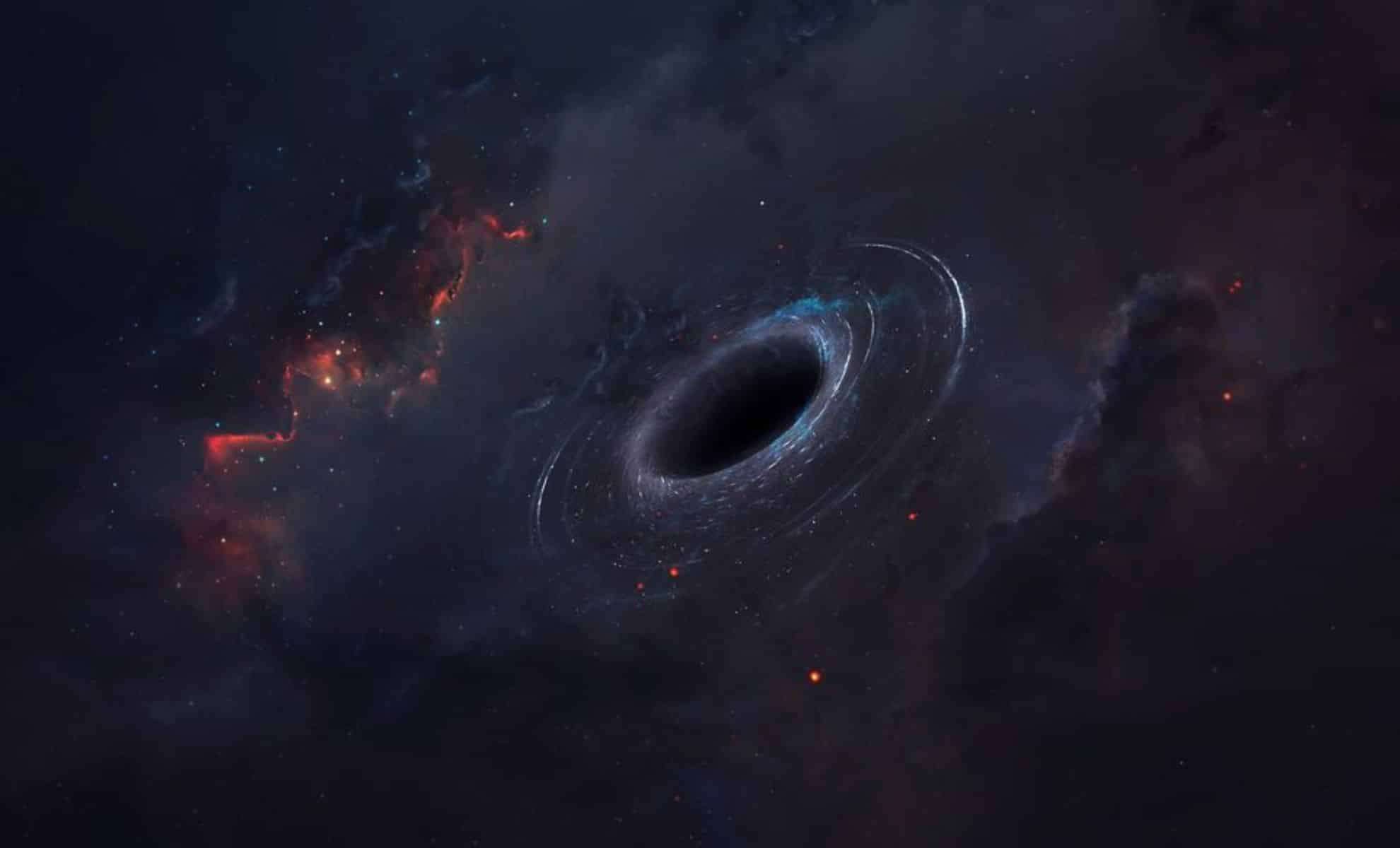
Deep within the Milky Way's core, an immense supermassive black hole presides alongside a dense swarm of smaller stellar-mass black holes. This cluster aggressively consumes stars, intensifying the ongoing cycle of stellar birth and destruction. A groundbreaking study featured in Astronomy & Astrophysics introduces a fascinating framework, dubbed the Star Grinder, to clarify the seemingly turbulent behavior at our galaxy’s center.
The research reveals that the crowded vicinity around the supermassive black hole Sagittarius A* acts as an incubator for stellar-mass black holes. These entities grow through collisions and interactions, tearing apart stars and hastening the creation of new stars and black holes, shedding light on the Milky Way’s complex origins.
An Enigmatic Cloak Surrounding a Galactic Giant
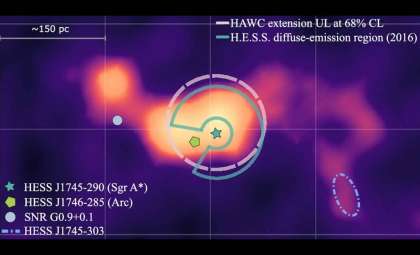
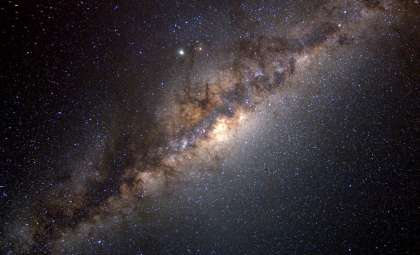
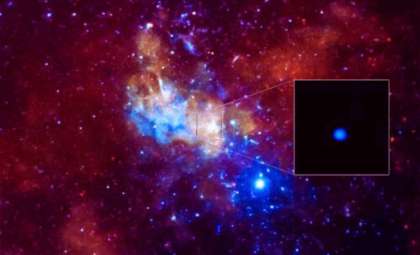
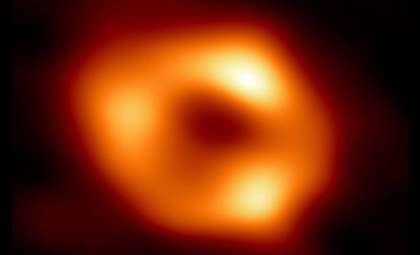
At the Milky Way’s core lies Sagittarius A*, a colossal black hole with a mass millions of times that of our Sun. It is surrounded by thick clouds of gas, dust, and stars, obscured by interstellar dust that blocks visible wavelengths. Nonetheless, infrared and radio surveys have unveiled a vibrant and immensely active zone.

One puzzling aspect has been the unexpectedly vast number of stellar-mass black holes in this region. Earlier estimates placed their numbers in the hundreds, but recent work suggests their population may reach into the millions, drastically altering our understanding of the central Milky Way’s development.
The Mechanism Behind the Star Grinder Phenomenon
The dense accumulation of gas and dust near Sagittarius A* fosters the rapid formation of massive O- and B-type stars, which have short lifespans. These stars end their lives as supernovae, leaving behind stellar-mass black holes. Over time, this leads to the formation of a dense conglomerate of black holes continuously feeding off newly formed stars.
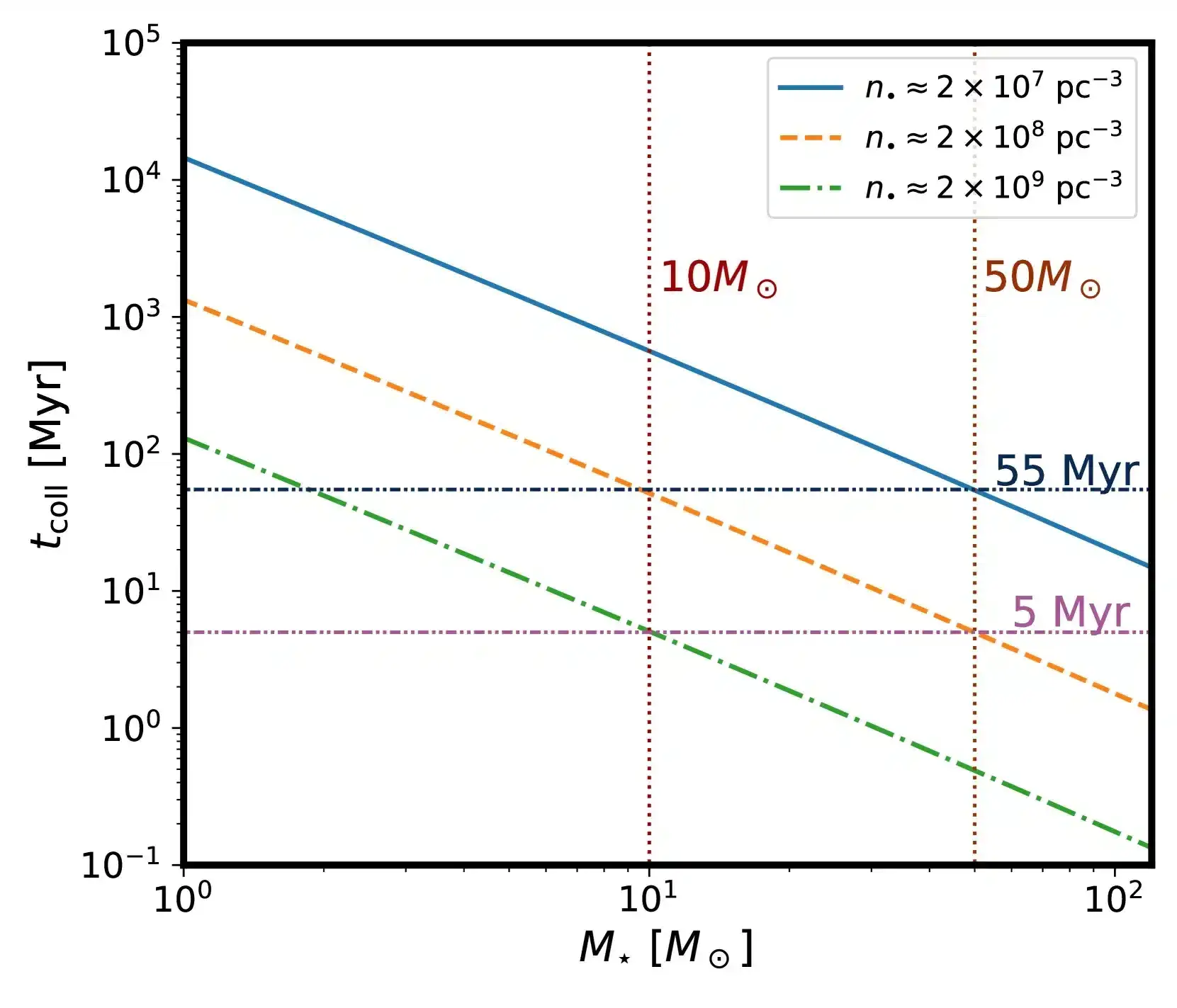
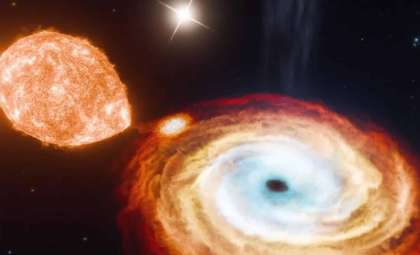
The latest model proposes a relentless cycle of star formation, destruction, and black hole generation, creating a ‘cosmic grinder.’ In this dynamic system, stellar-mass black holes frequently collide with stars, accelerating the emergence of further black holes and stars. This feedback loop significantly reduces the time between destructive encounters, amplifying the effects as the black hole population grows.
The Star Grinder framework highlights that collision intervals between black holes and stars near Sagittarius A* are dramatically shorter than in more sparse galactic regions, driving the perpetual shredding of stars in this turbulent environment.
A Startling Revelation: Billions of Black Holes Packed into the Galactic Nucleus
From their simulations, scientists estimate that the Milky Way’s nucleus could harbor up to 100 million black holes per cubic parsec, an astonishing density that makes it the most populous black hole region in the galaxy.
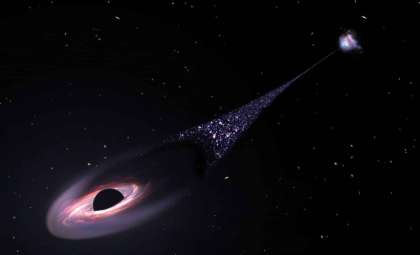
The study also suggests this dense black hole assembly may account for hypervelocity stars—fast-moving stars ejected from the galaxy. Close gravitational encounters with these black holes might hurl stars at speeds sufficient to escape the Milky Way entirely.
Implications for the Milky Way’s Evolution
This research paints a vivid picture of the Milky Way’s core as a highly complex arena where destruction and creation are intertwined through intense black hole and star interactions. The Star Grinder model redefines the galactic center as a bustling hub of activity shaping the galaxy’s future.
For astronomers, this insight provides a novel perspective on black hole dynamics and their crucial role in galaxy evolution. It also provokes contemplation about the galaxy's destiny—whether our solar system might one day be affected by these powerful forces.
Ongoing investigations into the Milky Way’s core promise to deepen our grasp of black holes and the lifecycle of galaxies throughout the universe.
- Categories:
- News


0 comments
Sign in to Comment