
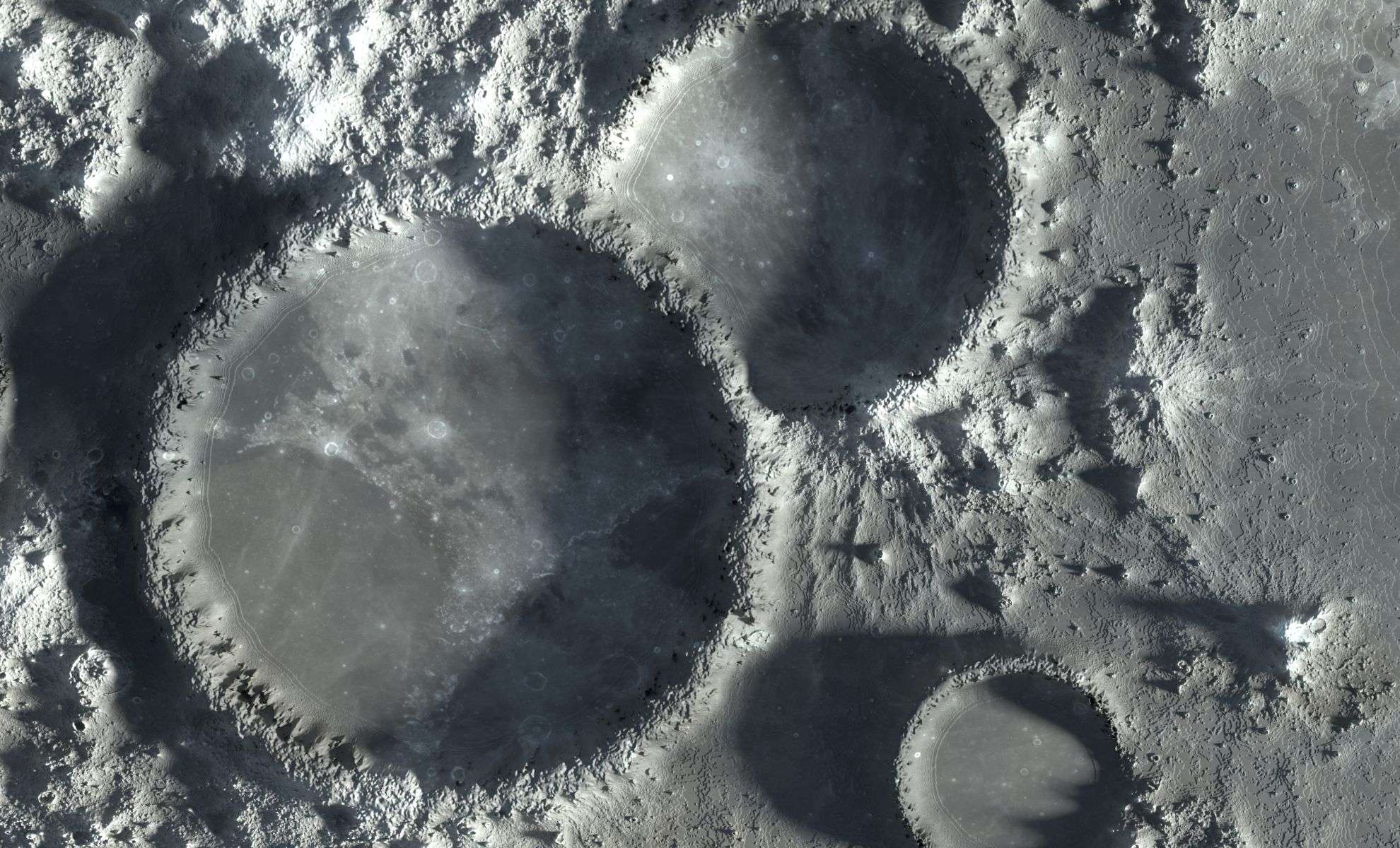
Researchers have unveiled previously hidden details far below the lunar surface, courtesy of China’s Chang’e-4 spacecraft. This achievement offers unprecedented insight into the moon’s ancient geological development, enriching our understanding of Earth’s closest cosmic companion.
Chang’e-4 Sheds Light on the Moon’s Interior
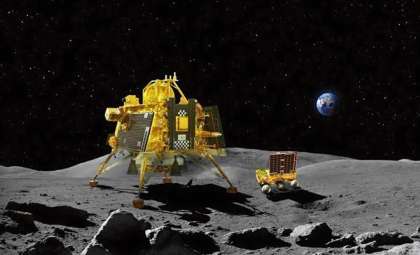
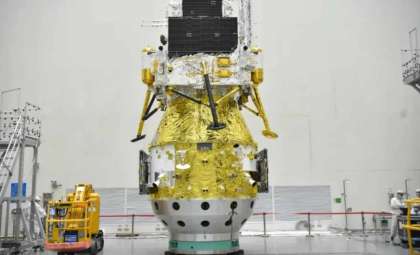
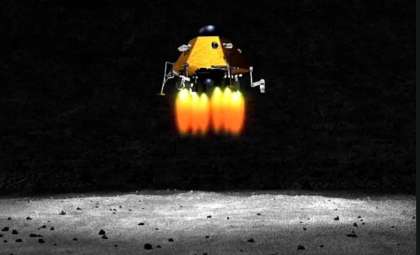
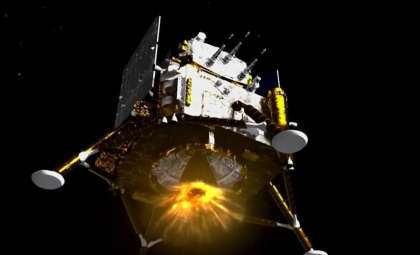
The Chang’e-4 spacecraft, the first to touch down on the moon’s far side back in 2018, has generated significant new observations that question previous geological theories about the moon.
Throughout its mission, Chang’e-4 has captured detailed images of lunar impact features and gathered mineral data that expose the complex layers beneath the surface. It wasn’t until 2023 that the full scope of the mission’s discoveries was published, revealing a comprehensive narrative of the moon’s primordial era.

Discoveries Unearthed by Chang’e-4
According to a study in the Journal of Geophysical Research: Planets, the research examined the uppermost 40 meters (130 feet) of lunar terrain. It determined that this zone comprises fine dust, regolith, and fractured rock, overlaying a crater formed by a massive impact. This evidence reinforces the understanding that the moon endured intense bombardment during its early existence.
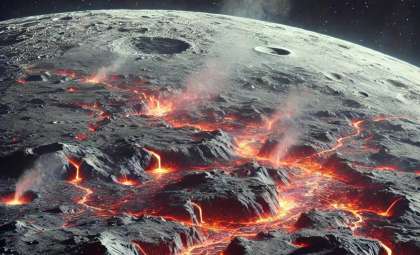
Below this surface, scientists identified five volcanic layers of ancient lava flows, which reveal the moon’s fiery past. It is believed that the lunar formation began about 4.51 billion years ago following a colossal collision between Earth and a Mars-sized body.
This giant impact is thought to have spawned lunar debris that eventually coalesced into the pale satellite. For millions of years after, ongoing meteoric impacts fractured the crust, allowing volcanic magma to emerge onto the surface.
Could a Dormant Volcano Lie Beneath the Moon?
Jianqing Feng, an astrogeologist who helped lead the study, explained that volcanic activity on the moon occurred as molten rock pushed through fissures in the crust, creating volcanic layers. The evidence suggests this activity tapered off gradually over eons.
Feng stated, “The lunar body was gradually cooling and losing its volcanic vigor as time passed. Its internal heat diminished steadily.” This cooling trend aligns with the hypothesis that volcanism on the moon ceased between 1 billion and 100 million years ago.
Although the moon is now considered geologically inactive, the research opens the possibility that residual magma pockets remain trapped underground. This raises fascinating possibilities about the moon’s potential geologic activity and any latent energy sources still present.
Future Prospects for Chang’e-4
With the Chang’e-4 mission ongoing, scientists anticipate further breakthroughs as data continues to flow from the far side of the moon. Detailed surface mapping and deeper geological probing by the spacecraft may unlock additional chapters in the moon’s remarkable story. Researchers like Feng remain committed to uncovering the enigmas that lie beneath our planetary neighbor’s crust.
- Categories:
- News



0 comments
Sign in to Comment