
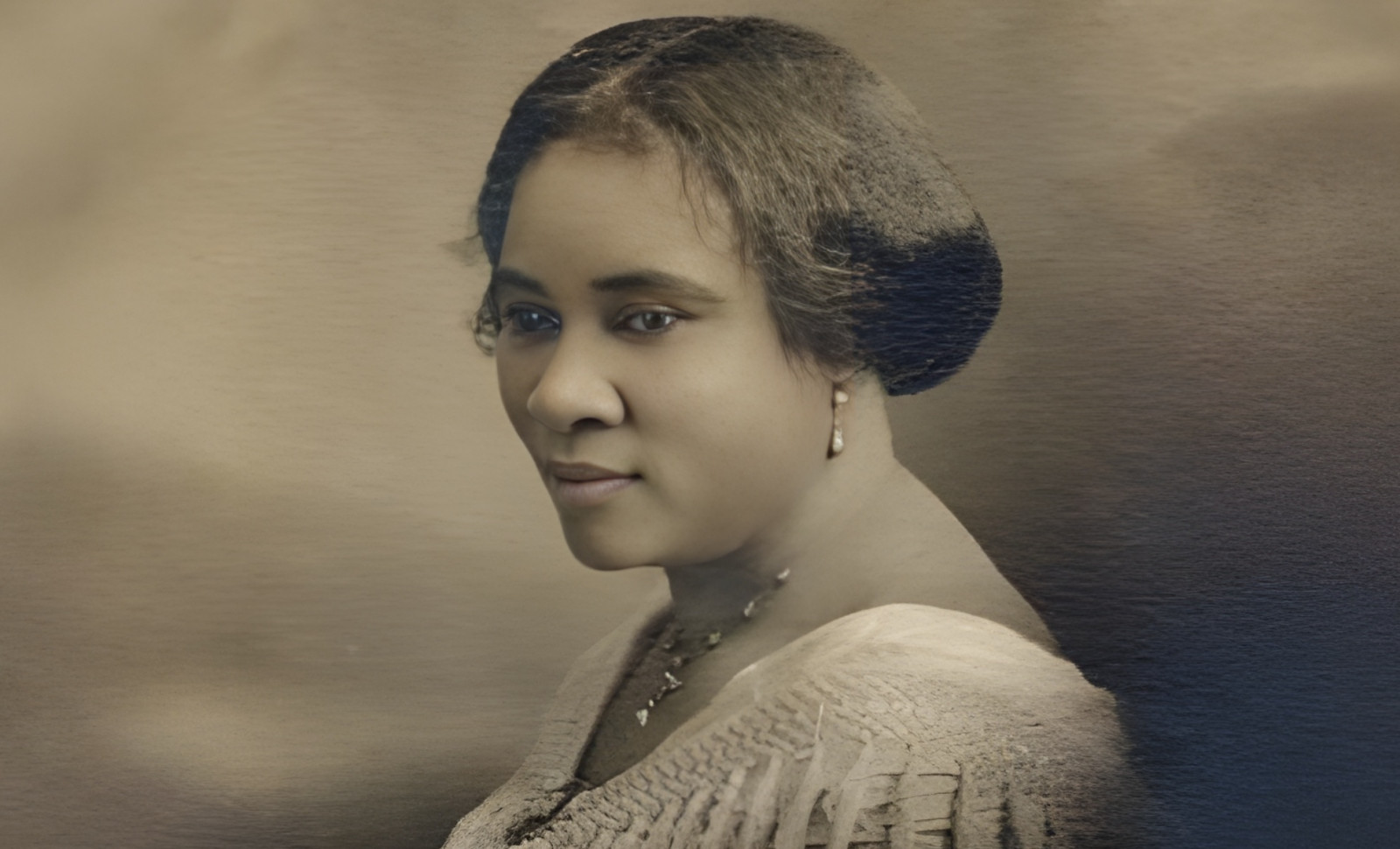
Forbes has celebrated Madam C.J. Walker on its prestigious #Forbes250 list of pioneering innovators, highlighting her as a key figure whose groundbreaking ideas helped shape enduring business practices and cultural impact in America. In their coverage, Forbes ranks Walker alongside prominent individuals whose innovations transformed industries and left lasting legacies.
Walker’s recognition stems from more than just her personal wealth accumulation. Starting with only $1.25, she transformed her hair-care enterprise into a powerhouse that once employed nearly 40,000 people. She pioneered a model that empowered Black women towards financial independence during the early 1900s. By the time she passed away in 1919, she had amassed a net worth surpassing $1 million, establishing herself as one of the era’s most accomplished self-made female entrepreneurs.
Born Sarah Breedlove in 1867 on a Louisiana plantation, Walker was the daughter of formerly enslaved parents. Her journey was marked by adversity from an early age. Orphaned by age seven, she labored in cotton fields and later worked as a domestic helper, receiving minimal formal education and facing scarce opportunities.

A Venture Rooted in Personal Challenges
Married young and widowed at 20, she became the sole provider for her daughter, Lelia, in St. Louis. Her meager earnings—between $1 and $1.50 daily washing clothes—reflected the limited job prospects available to Black women at that time. According to the National Women’s History Museum, these formative years working under financial strain set the stage for the business empire she would build.
Walker’s entry into the beauty industry was driven by a personal ailment. She experienced a severe scalp condition causing hair loss, a common problem among Black women in an era plagued by poor sanitation, harsh cleaning supplies, and limited hair care resources.
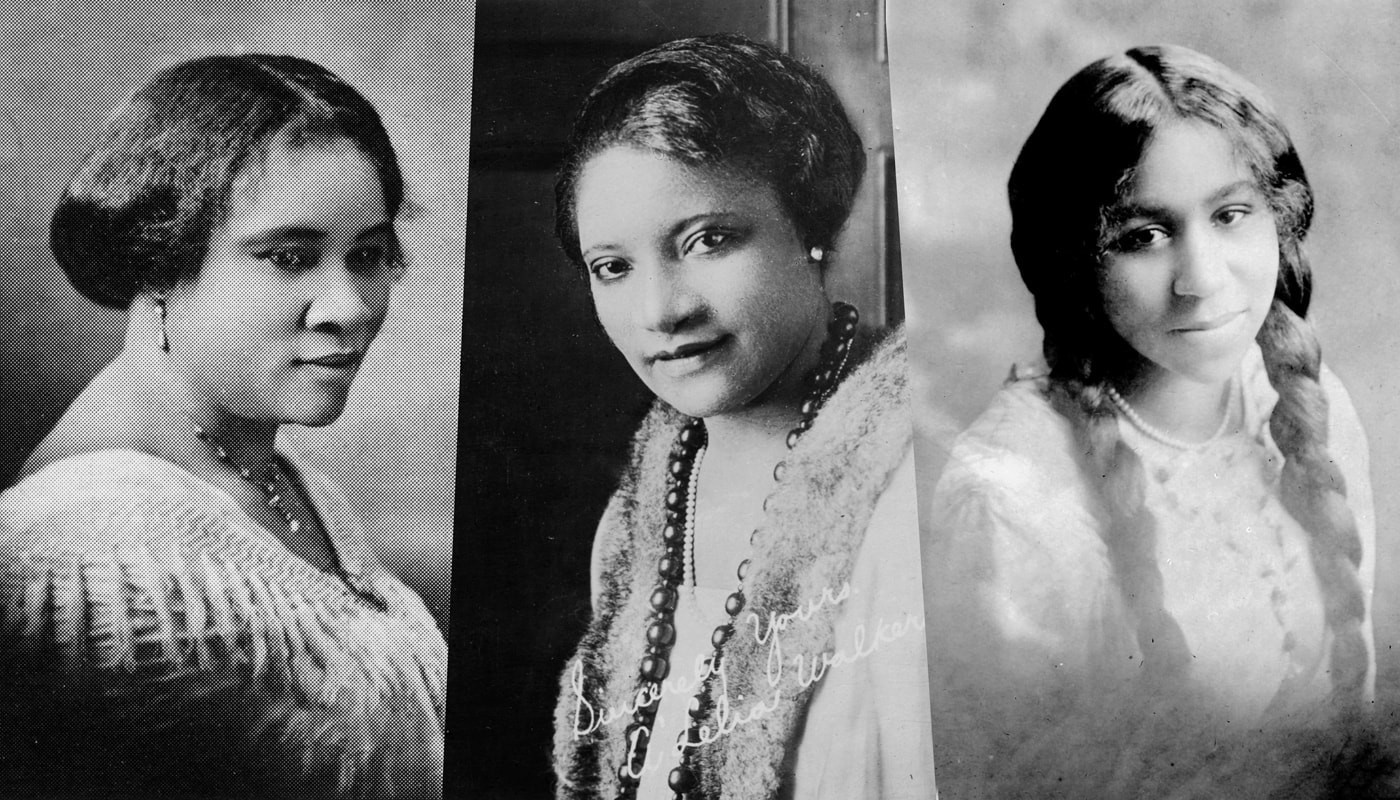
Initially selling products for another company, Walker soon started crafting her own formulations. In 1905, she relocated to Denver and began promoting “Madam Walker’s Wonderful Hair Grower” under her married name.
This move was both a tactical step and a brand-building strategy. She wasn’t just selling hair cream; she created a brand tailored to Black women whose beauty needs had been largely ignored in the mainstream market.
A System That Revolutionized Hair Care
The cornerstone of Walker’s success was the Walker System, a comprehensive regimen covering hair and scalp health that combined product offerings, hands-on demonstrations, educational initiatives, and structured care routines. Her product line featured scalp treatments, shampoos, and heated pressing combs, but Walker also advocated for better hygiene, nutrition, and consistent brushing as essential components of hair health.
She sold her products directly from door to door and through mail orders, but her vision extended beyond sales. In 1908, she opened Lelia College in Pittsburgh to educate women in both her method and sales expertise. Two years later, she shifted her company’s headquarters to Indianapolis, investing $10,000 in the development of a factory, lab, and salon.
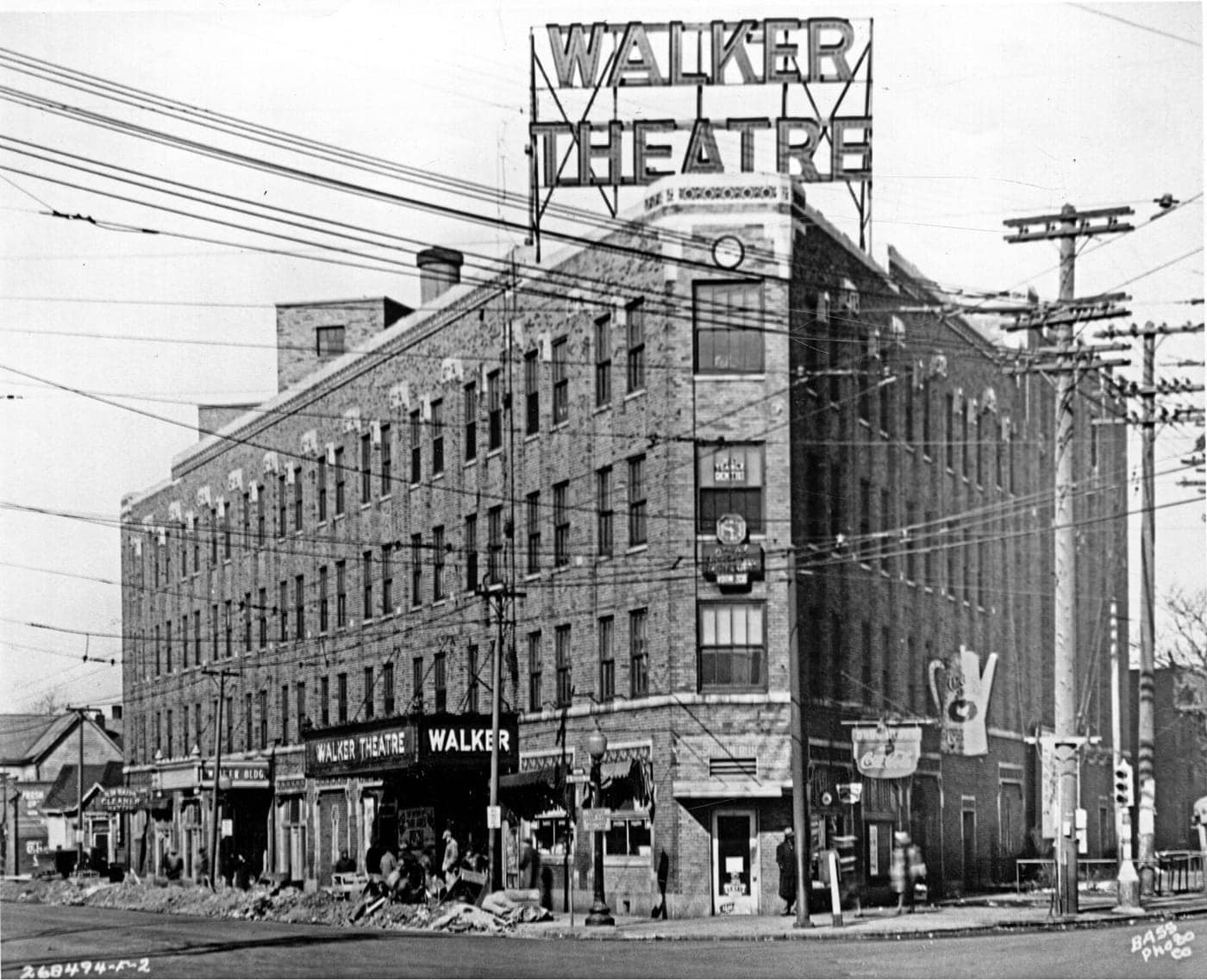
The National Park Service explains that this expansion transformed Walker’s operation from a successful brand to a robust manufacturing and sales powerhouse. She developed infrastructure that allowed her company to grow beyond local confines and regional markets.
Empowering Women as Entrepreneurs
By 1917, Walker had trained roughly 20,000 beauty culturists, primarily Black women who marketed products, provided hair treatments, and often managed their own salons. At a time when many Black women had access to only domestic work, this opportunity provided a vital path to earning commissions, gaining professional expertise, and launching their own enterprises.
Walker’s annual conventions helped forge a national community of agents. The best saleswomen received rewards, but community involvement and service were equally valued, reflecting Walker’s belief in merging business success with civic responsibility. Her reach even extended internationally to Central America and the Caribbean via mail orders and regional representatives, further broadening the brand’s impact and opportunities.
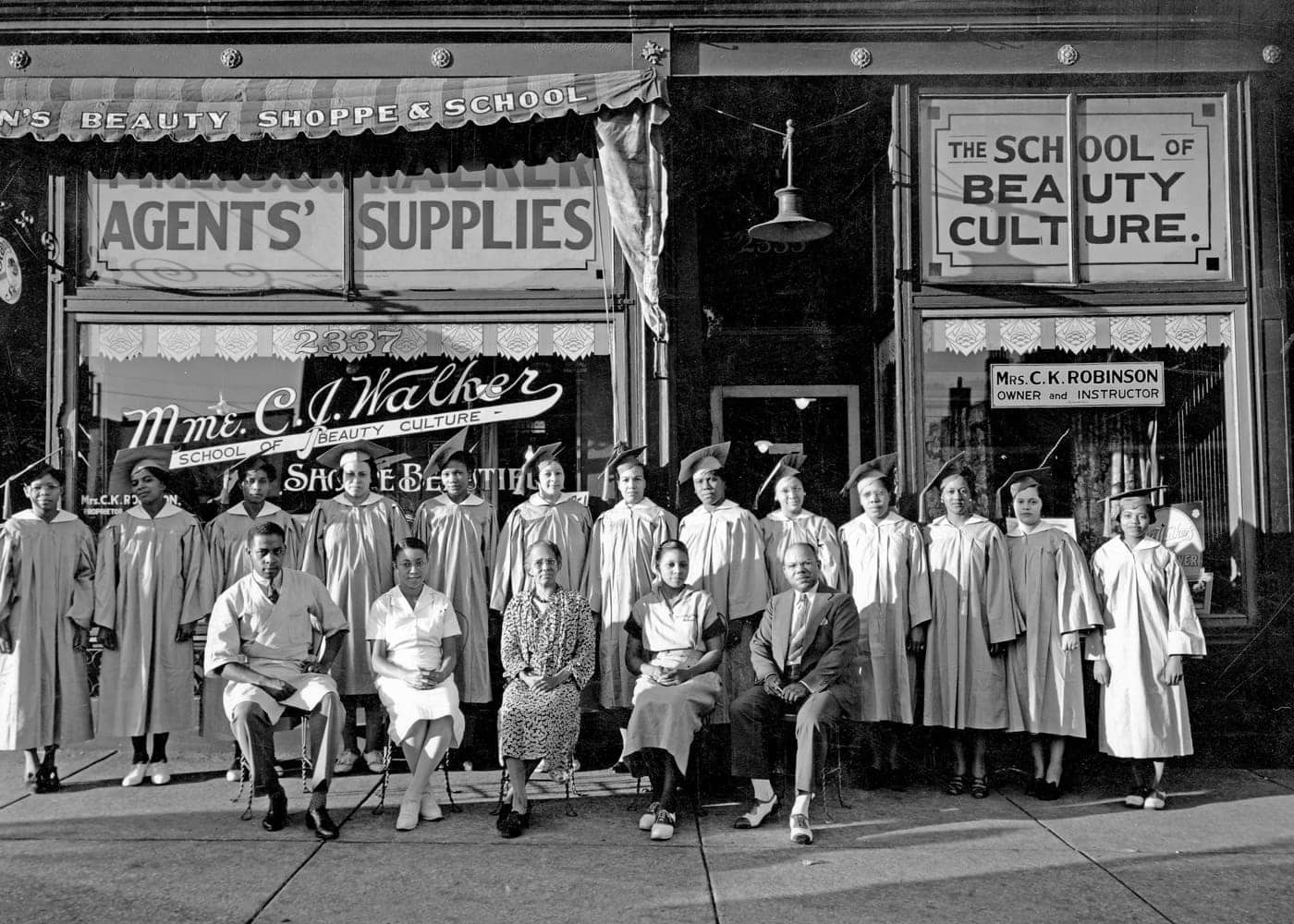
Perhaps Walker’s most enduring legacy lies in the system she created. Beyond producing beauty products for an underserved market, she built a structure that enabled thousands of women to become entrepreneurs on their own terms.
Philanthropy and Advocacy Fueled by Success
Walker channeled her wealth into philanthropic causes. She supported the NAACP, YMCA, Tuskegee Institute, and educational institutions serving Black communities. In 1919, she donated $5,000—the equivalent of one of the largest personal contributions at the time—to NAACP’s anti-lynching campaign.
Her commitment to activism was evident beyond financial gifts. She joined the 1917 Silent Protest Parade in New York and openly recounted her journey from humble beginnings to owning her own manufacturing business. That same year, she founded the National Negro Cosmetics Manufacturers Association, aimed at fostering quality, collaboration, and sustainable growth among Black-owned beauty companies.
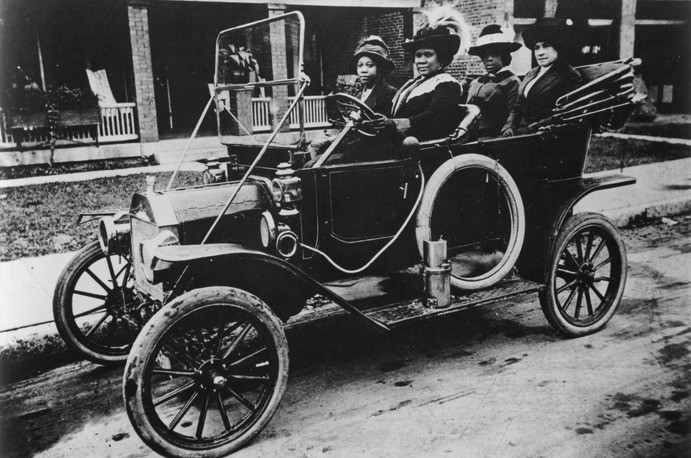
Walker also invested in creating spaces that symbolized her influence. Her 34-room estate, Villa Lewaro, became a cultural hub for Black intellectuals and artists. Her business properties in Indianapolis and Harlem linked her presence to both economic and cultural leadership.
Her Enduring Influence Today
Walker passed away in 1919 at age 51 due to complications related to hypertension and kidney illness, but her enterprise and legacy lived on through her daughter, A’Lelia Walker. The Indianapolis location tied to her business now functions as the Madam Walker Legacy Center, a National Historic Landmark offering cultural events and honoring her lasting public impact.
Her life story has been captured in biographies by A’Lelia Bundles, commemorated on U.S. postage stamps, and enshrined in the National Women’s Hall of Fame. These honors reflect why Forbes included her among Americans whose pioneering efforts established enduring models of innovation.
While Walker founded a cosmetics company, her broader impact was in providing employment, education, business frameworks, and a lasting legacy of philanthropy and societal influence.
- Categories:
- News













0 comments
Sign in to Comment