
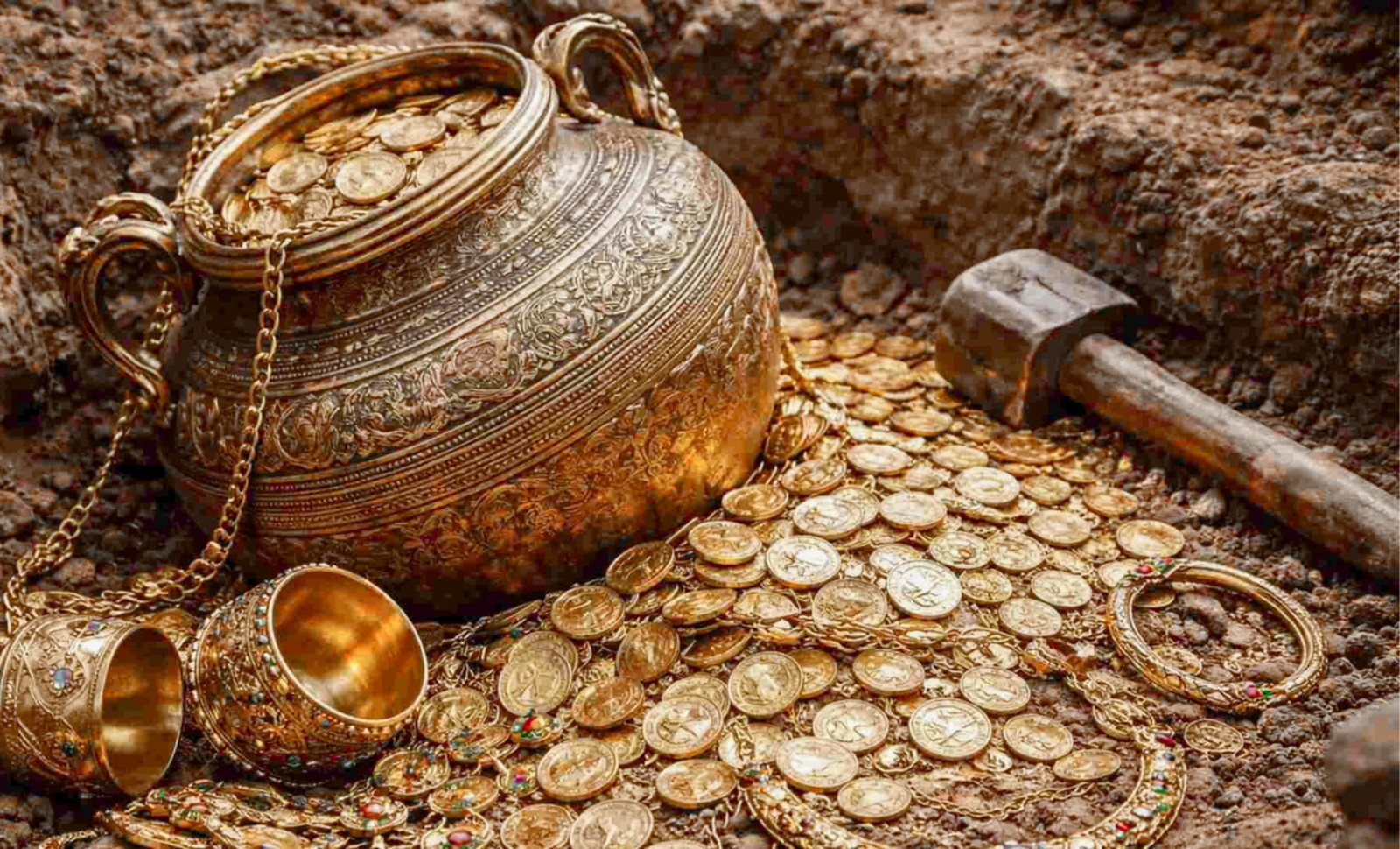
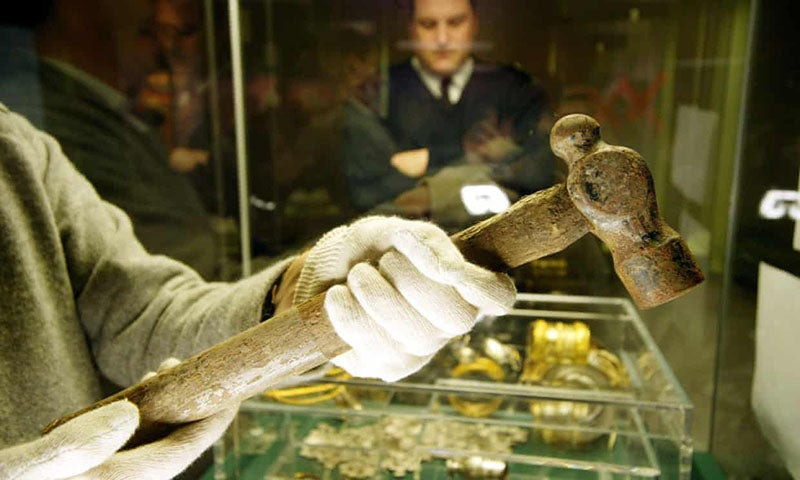
Eric Lawes set out on a chilly November morning in a Suffolk field in search of a misplaced hammer. Instead of just a tool, he uncovered a remarkable piece of history. Beneath the soil lay a treasure trove later appraised near £2 million, now displayed in a leading global museum and studied extensively for years. The hammer he sought, found shortly after, is exhibited mere steps from the gleaming Roman gold once owned by a wealthy aristocrat.
The hoard discovered in 1992 at Hoxne remains the most extensive collection of late Roman gold and silver uncovered in the UK. Its importance goes beyond sheer size or value. This find also occurred at a pivotal time when amateur metal detecting and professional archaeology often clashed. Lawes’ decision to halt digging and notify authorities preserved the site’s integrity and invaluable historical context.
How One Discovery Transformed Archaeological Practices
On November 16, 1992, Lawes employed a metal detector gifted to him upon retirement to locate a hammer lost by his friend, tenant farmer Peter Whatling. The device alerted him to something beneath the ground. Digging revealed silver spoons and gold coins. Recognizing the significance, Lawes informed police and local archaeologists rather than continuing to excavate alone.

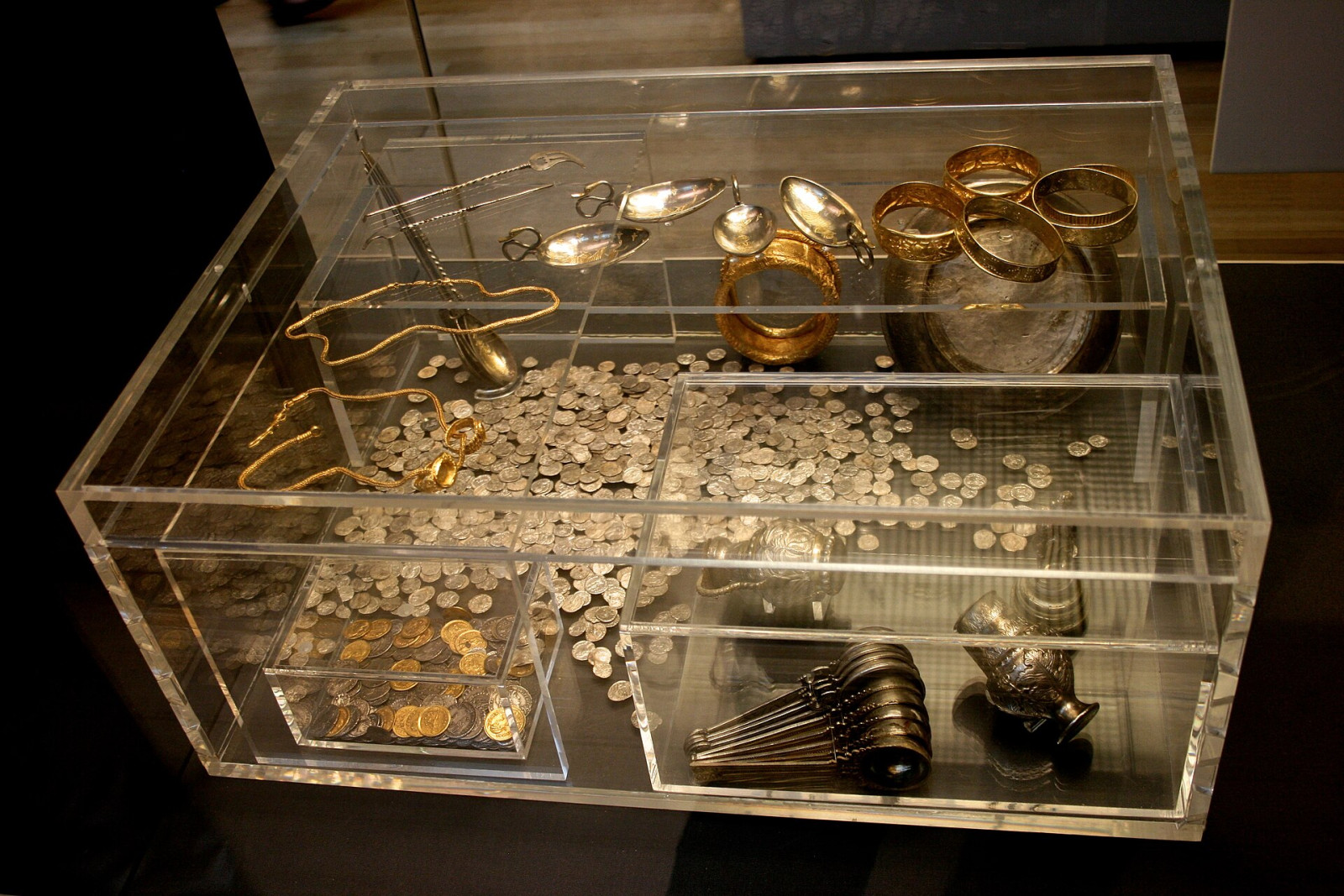
Archaeologists arrived the next day and meticulously documented the find in situ. They uncovered remains of an oak chest, roughly 60 by 45 centimetres, with items carefully arranged inside. Spoons were neatly stacked, jewelry wrapped in fabric, and smaller containers crafted from yew and cherry wood housed distinct groups. Straw and textile remnants endured, protected by the undisturbed nature of the deposit.
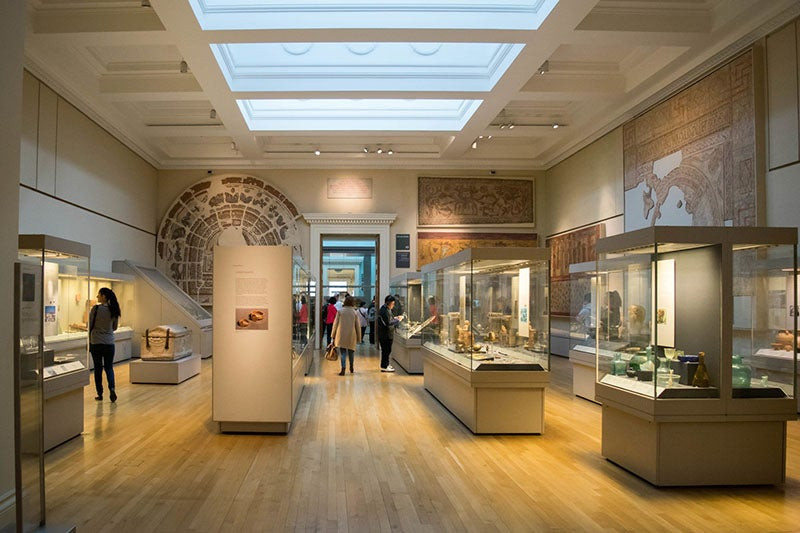
The treasure trove contained 14,865 coins alongside over 200 gold and silver items, including fine jewelry, tableware, and personal belongings. Altogether, the precious metals weighed 3.5 kilograms of gold and 23.75 kilograms of silver. This extraordinary collection now has a permanent home in the British Museum’s Room 49.
The Legal Impact of the Find
At the time, English heritage laws recognized buried valuables through the ancient treasure trove principle, applying only to hidden precious metals intended for later recovery. A coroner's inquest in 1993 ruled the Hoxne Hoard fit this classification, transferring ownership to the Crown.
The Treasure Valuation Committee assessed the hoard at £1.75 million. Under prevailing rules, this amount was awarded as a reward split between finder and landowner. Lawes and Whatling shared this sum, while the British Museum obtained the hoard using funds from the National Heritage Memorial Fund and other sponsors.
This landmark case influenced legal changes. The Treasure Act 1996 replaced the treasure trove framework with more comprehensive legislation, lowering qualifying age thresholds, including select base metal finds, and formalizing reporting. The Linda Hall Library profile of Eric Lawes highlights his role in transforming perceptions around metal detecting and archaeology.
Insights from the Hoard’s Contents
The coins provide precise dating clues. Research by numismatist Peter Guest in 2005 identified the newest coins as issues from the usurper Constantine III, minted around 407–408 AD, dating the burial no earlier than that. Numerous silver coins display clipping, where small amounts of metal were shaved off edges. Patterns suggest this happened over decades, implying the coins remained in circulation or accessible for a considerable time after minting.
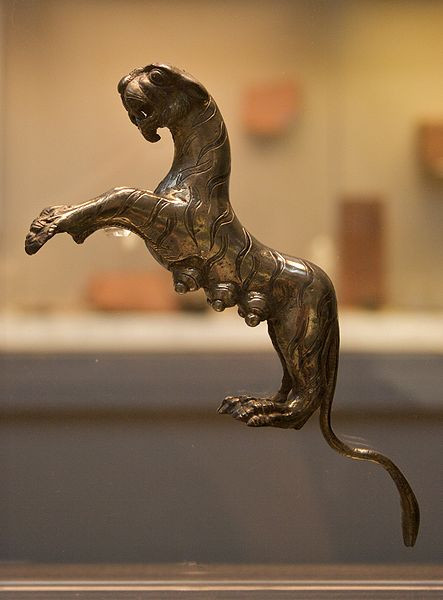
The treasure’s non-coin objects are of exceptional craftsmanship. A gold body chain, worn across the chest and shoulders, remains one of only a few known examples empire-wide. Silver pepper pots, known as piperatoria, are especially notable—shaped as a woman’s head, a hare, and a seated figure. Catherine Johns’ detailed catalogue, The Hoxne Late Roman Treasure on Academia.edu, confirms their historical and artistic significance.
Some silver spoons bear Latin inscriptions and Christian symbols. One inscription reads VIVAS IN DEO, meaning “may you live in God.” Another features the chi rho monogram. These suggest the owners were likely Christian or associated with social circles where Christianity held influence.
Who Were the Owners?
No direct proof reveals who owned the Hoxne Hoard, but the valuables reflect elite status and extensive trade connections. The pepper in the hoard originated from South Asia, and the gold and silver of such quality likely came from continental or eastern empire workshops. Various stamps hint at multiple production centers.
Excavations in 1994 revealed a post hole near the site, possibly marking the spot. This suggests the owner intended to retrieve the goods. Their failure to return hints at death, displacement, or societal collapse preventing recovery.
Historical Backdrop and Unanswered Questions
The early fifth century marked the decline of Roman control in Britain. Emperor Constantine III took the army across to Gaul in 407, leaving Britain exposed. Reports indicate Emperor Honorius advised British cities to defend themselves around 410, though the authenticity is debated. Coin circulation stopped and administrative systems fell apart.
Whether the Hoxne Hoard connects directly to these upheavals remains unclear. It might have been hidden to escape raiders, amassed from plunder, or converted for security amid economic instability. Scholars differ: some stress turmoil and danger, others highlight the ordered packaging as evidence of planned temporary storage rather than frantic concealment.
- Categories:
- News












0 comments
Sign in to Comment