
Two NASA missions have uncovered distinct signals hinting at the presence of electrical discharges on Mars. One source comes from orbit, while the other originates on the Martian surface, collectively reinforcing the idea that flickers of electricity might light up the planet's dusty atmosphere.
While lightning has been directly observed on planets like Jupiter, Saturn, and Neptune, Mars has yet to provide clear evidence. Its thin atmosphere and patchy magnetic field create conditions that complicate lightning detection and likely create electrical phenomena different from Earth's familiar bright bolts.
Long-standing scientific hypotheses suggested that, if lightning occurs on Mars, it would appear as faint electrical sparks caused by the movement of charged dust. Recent data collected by NASA's MAVEN orbiter and Perseverance rover now offer compelling support for this idea.

Identification of a Unique Radio Signal by MAVEN
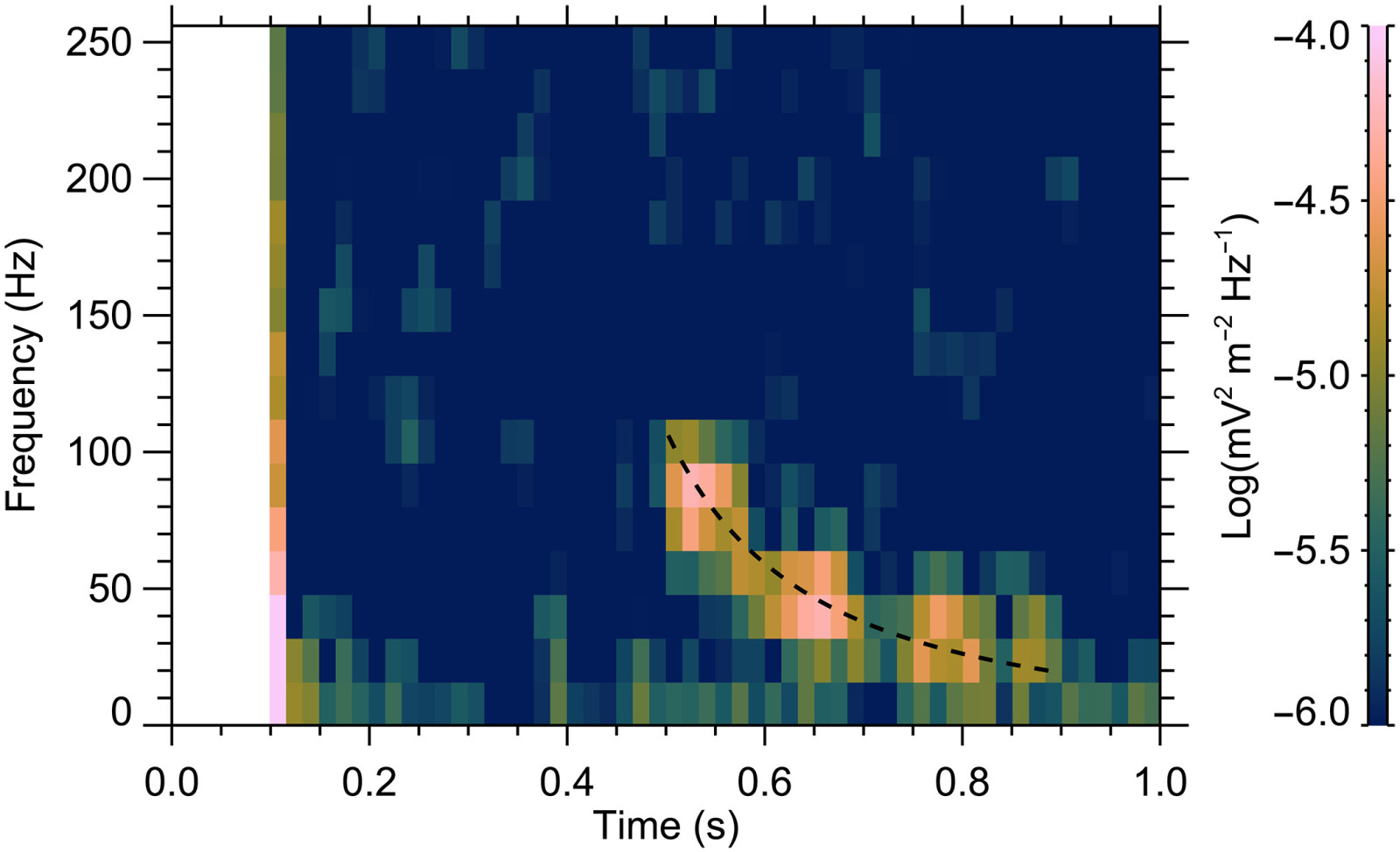
A study released on February 27 in Science Advances highlights this discovery. Researchers analyzing data from NASA’s Mars Atmosphere and Volatile Evolution (MAVEN) spacecraft from June 2015 detected a potential lightning signature.
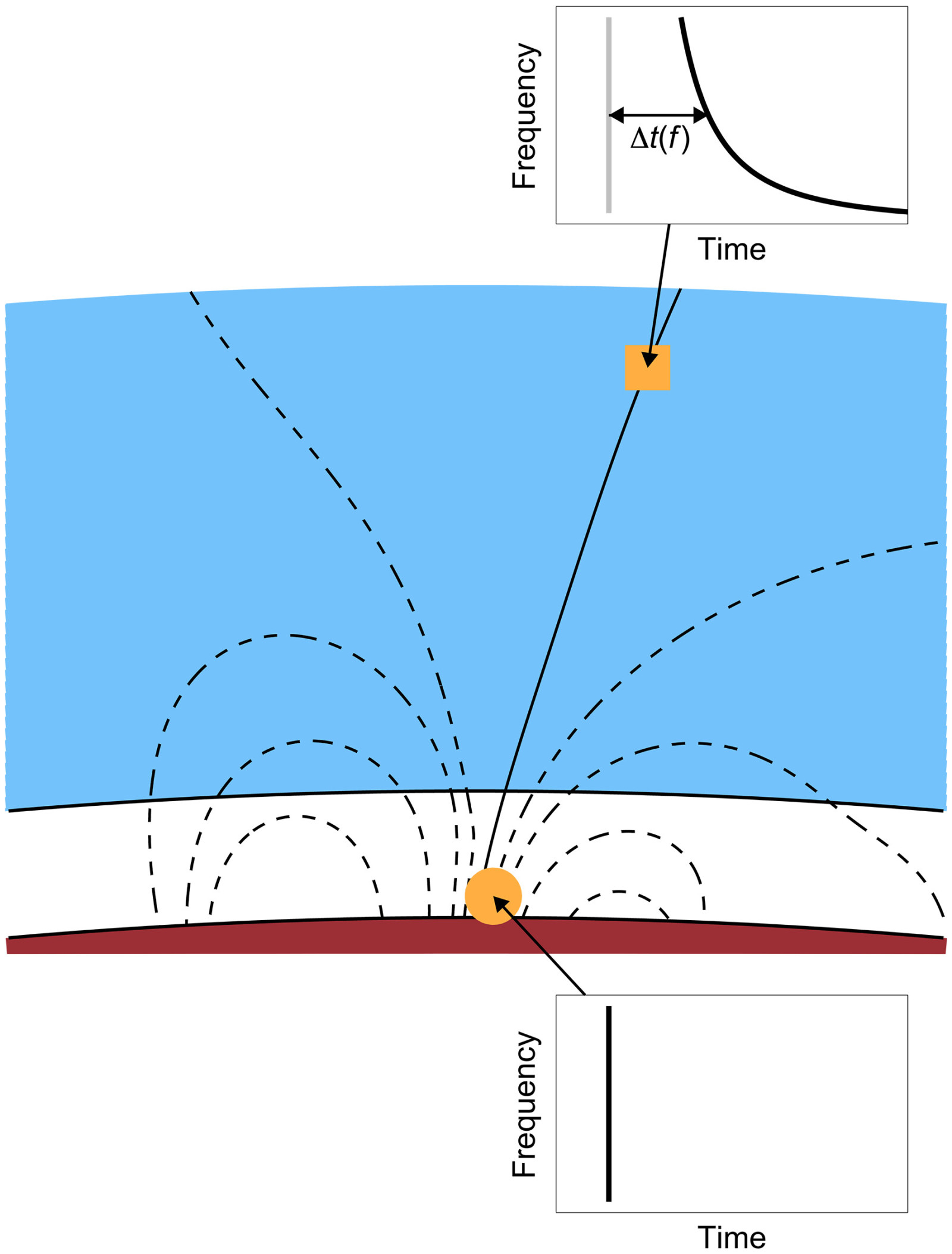
Led by Ondřej Santolík of the Czech Academy of Sciences, the group focused on detecting “whistler” radio signals generated when lightning heats and ionizes the surrounding atmosphere, allowing radio waves to travel outward and produce a characteristic whistle sound on receivers. From over 108,000 data snapshots, only one promising signal was identified. Santolík said:
“That needs to be done visually because it’s very hard to do it by a machine because of the noise features in the data”. Out of that extensive dataset, the team identified only one candidate signal. “It’s very surprising that we found it at all.”
It took the team about a year to verify that this signal was consistent with lightning activity. NASA has lost communication with MAVEN for nearly three months, causing uncertainty about whether similar signals will be recorded soon.
Electrical Crackles Captured During Martian Dust Storms
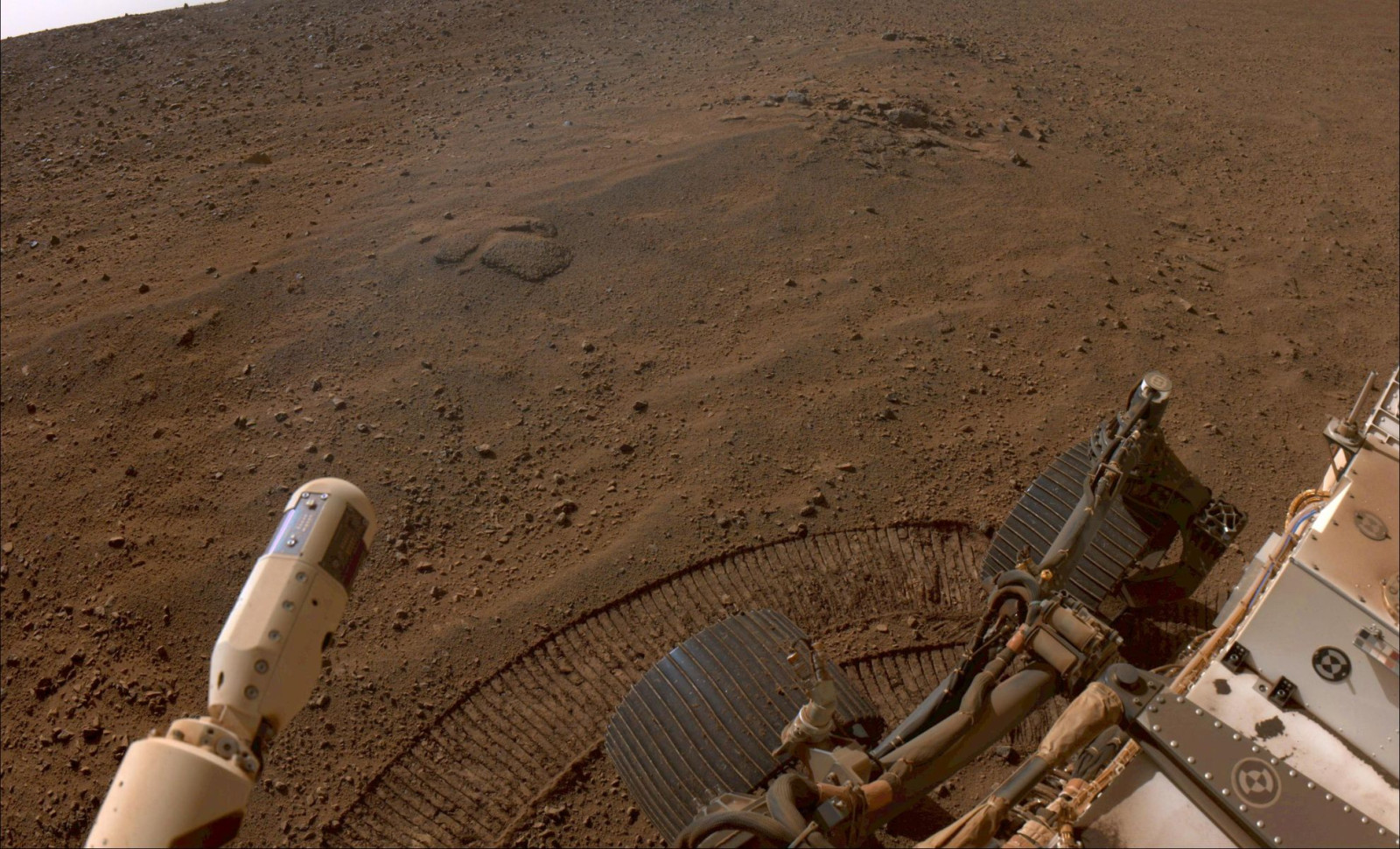
Earlier, another team offered compelling evidence through audio recordings captured by a microphone on NASA’s Perseverance rover.
These recordings reveal multiple crackling noises linked to small-scale electrical discharges within dust storms near the rover’s location. Such sounds likely represent localized electric activity in charged dust clouds rather than large lightning flashes.
Karen Aplin, a space physicist at the University of Bristol unaffiliated with either study, commented that these findings collectively give "a sense that we’re closing in on Mars lightning." She emphasized that Earth hosts varied electrical phenomena—such as thunderstorm lightning and the glowing Saint Elmo’s fire—implying Mars might harbor diverse atmospheric electrical events as well.
Importance of Uncovering Mars’ Electrical Activity
Electrical discharges affect atmospheric chemistry significantly. As highlighted by Scientific American, lightning-driven chemical reactions could play roles in fostering conditions for life. Unlocking whether similar dynamics exist on Mars might deepen our understanding of the planet’s chemical environment.
For Santolík, these results come with mixed feelings. He was involved in creating a dedicated lightning sensor for the Russian-built lander intended for the ESA’s Rosalind Franklin rover. The mission, initially slated for 2022, faced delays following geopolitical conflicts involving Russia.
ESA is now preparing its own lander for a planned 2028 launch but opted not to include the lightning instrument in order to accelerate development. Consequently, the detector has been returned without flying to Mars.
Currently, the detection of a solitary orbital whistler signal alongside the surface’s crackling audio marks the strongest indications yet that faint, dust-driven electrical events occur on the Red Planet.
- Categories:
- Space





0 comments
Sign in to Comment