
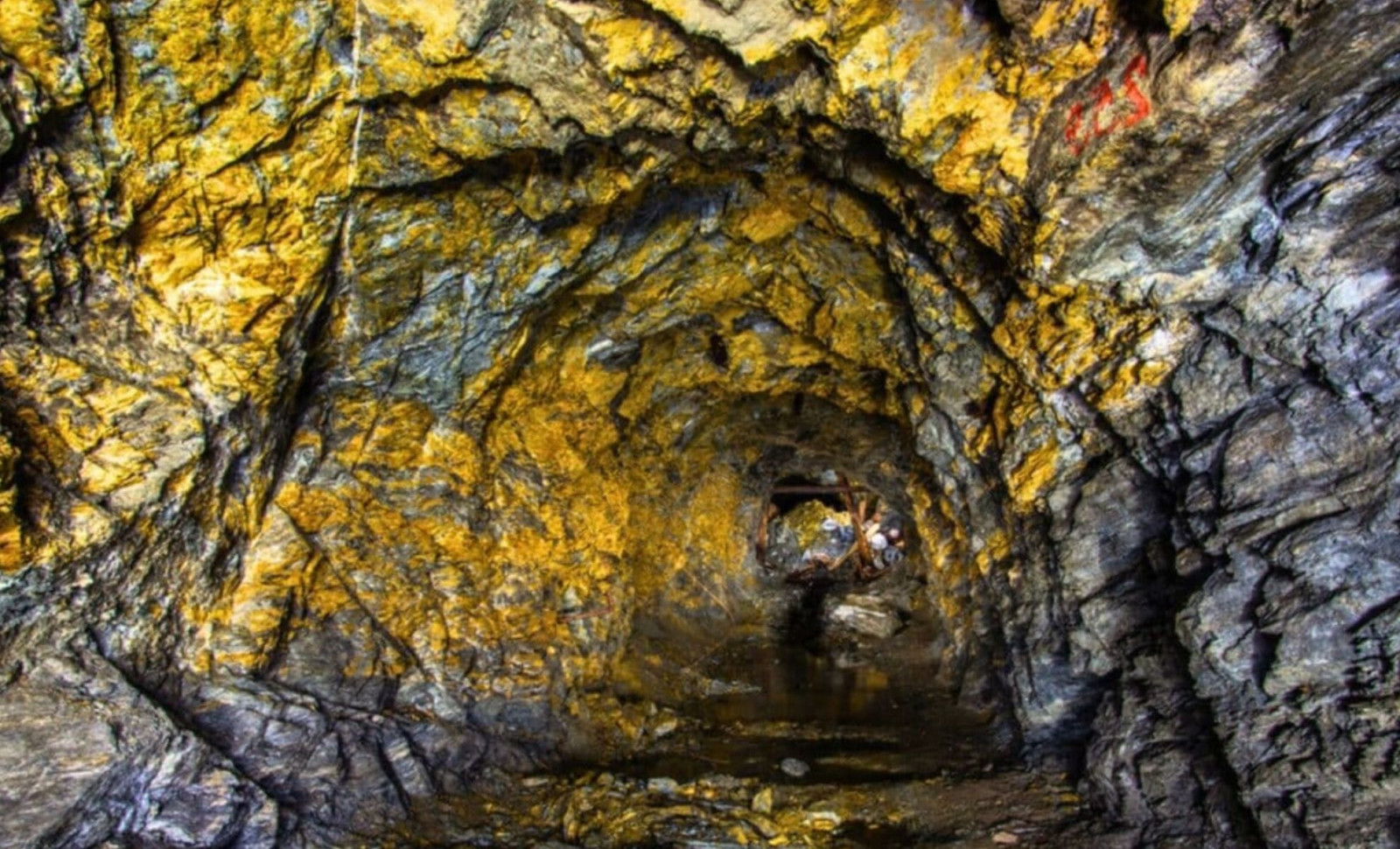
China has officially announced the identification of a substantial mineral resource in the heart of Hunan Province, potentially enhancing the nation’s dominance over a key component essential for both global finance and advanced technology manufacturing. Experts highlight that the site’s geology and ore quality point to an exceptionally valuable find.
This revelation coincides with Beijing’s strategic push to strengthen domestic mineral extraction and safeguard its reserves from global market uncertainties. Reports from state-run outlets reveal that exploration efforts at this location are ongoing, with detailed surveys planned to extend into 2026.
Over 1,000 Tonnes of Premium Gold Confirmed by Chinese Authorities
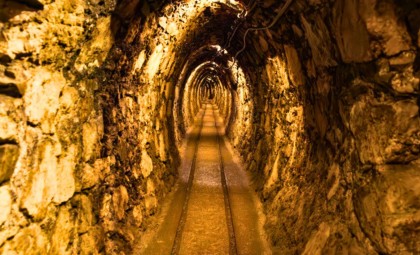
Government representatives from the Hunan Geological Bureau disclosed in November 2025 that the Wangu gold deposit in Pingjiang County holds more than 1,000 metric tonnes of gold, estimated to be worth $83 billion. The proven section is situated around 2,000 meters underground and contains 300 tonnes of well-defined reserves spread across 40 separate veins.

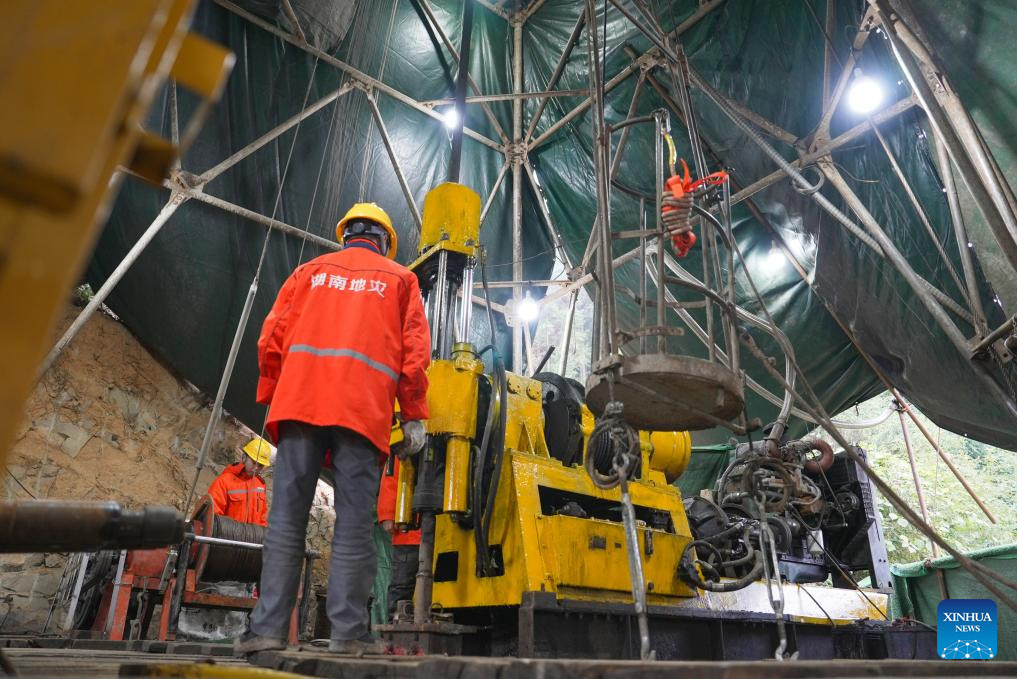
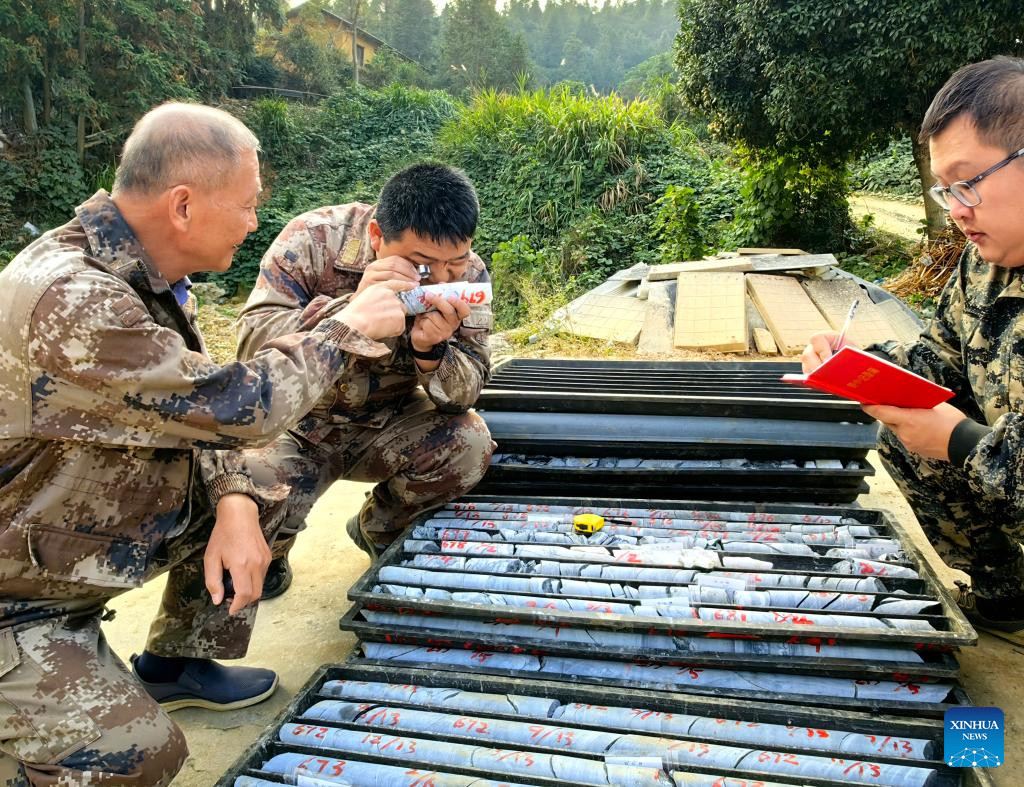
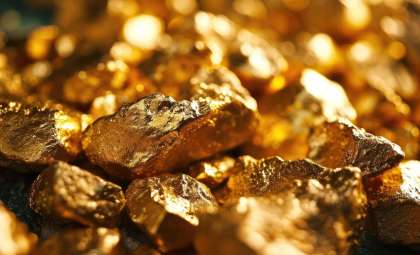
The mineral grade is remarkable. Laboratory tests cited in the announcement report concentrations reaching 138 grams per tonne, considerably surpassing the benchmark for high-grade ore. Typically, commercial gold mines handle material with less than 10 grams per tonne.
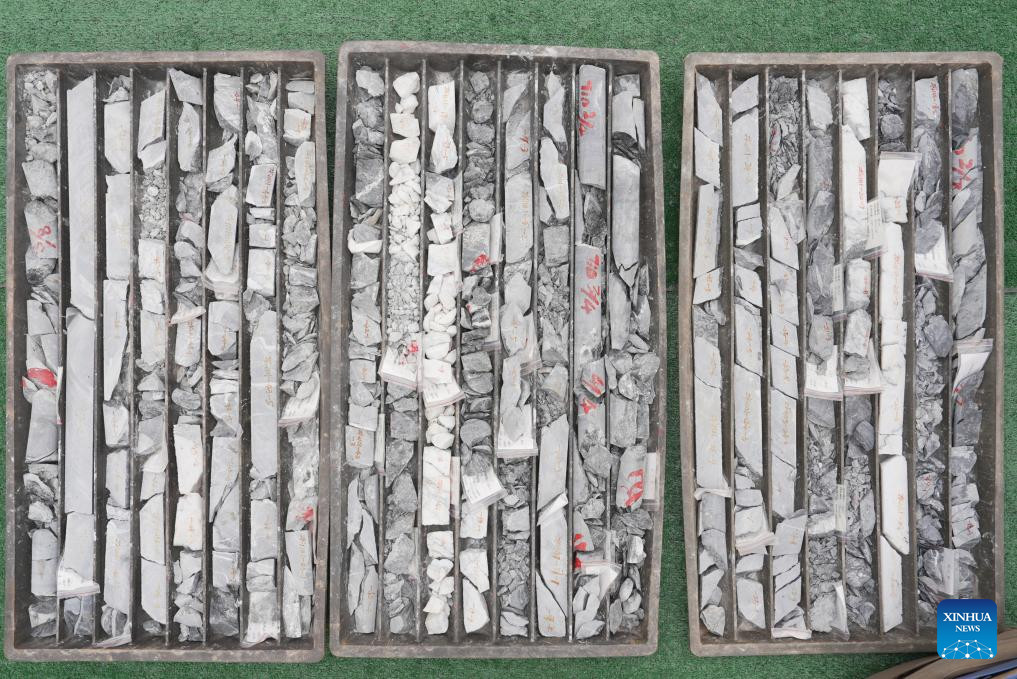
Exploration has included over 65 kilometers of drilling, where extracts revealed visible gold in numerous sectors. Additional exploratory boreholes at the edges have identified more mineral presence, implying the deposit might be more extensive than initially mapped. These activities are managed by the Hunan Mineral Resources Group, a government-owned entity formed in 2024 to direct the province’s mineral ventures.
Innovative Geological Theory Links Gold Formation to Earthquakes
A recent peer-reviewed article in Nature Geoscience proposes a new process that may explain the exceptional gold concentration at Wangu. The study demonstrates that quartz-rich rocks undergoing tectonic stress can develop piezoelectric effects, triggering rapid gold deposition from hydrothermal fluids nearby.
This seismic-related gold formation contrasts with traditional models that attribute mineralization to slow cooling and fluid movement. Although Wangu was not specifically examined in the research, its geological features—quartz content, depth, and tectonic context—fit the proposed mechanism.
Wangu is positioned in an active tectonic zone in central China, where long-term crustal patterns may have contributed to the creation of concentrated gold ore bodies.
Wangu Set to Surpass South Africa’s Leading Gold Mine
If confirmed, Wangu's gold reserves would outstrip those of South Africa's South Deep mine, which holds an estimated 900 tonnes. South Deep, one of the deepest mines worldwide, managed by Gold Fields, has faced financial and labor obstacles recently.
Wangu boasts much richer ore and operates under tight government supervision. The higher concentration reduces processing volumes, leading to lower energy consumption and smaller waste quantities. This favors both economic sustainability and environmental standards in mining operations.
By coordinating exploration through the Hunan Mineral Resources Group, authorities intend to expedite verification and development for future large-scale production.
Assessing Strategic and Economic Consequences
China led global gold output in 2024 with over 370 tonnes, as reported by the World Gold Council. Confirming this supergiant deposit would reinforce Beijing’s control over international gold supply and decrease dependence on imports.
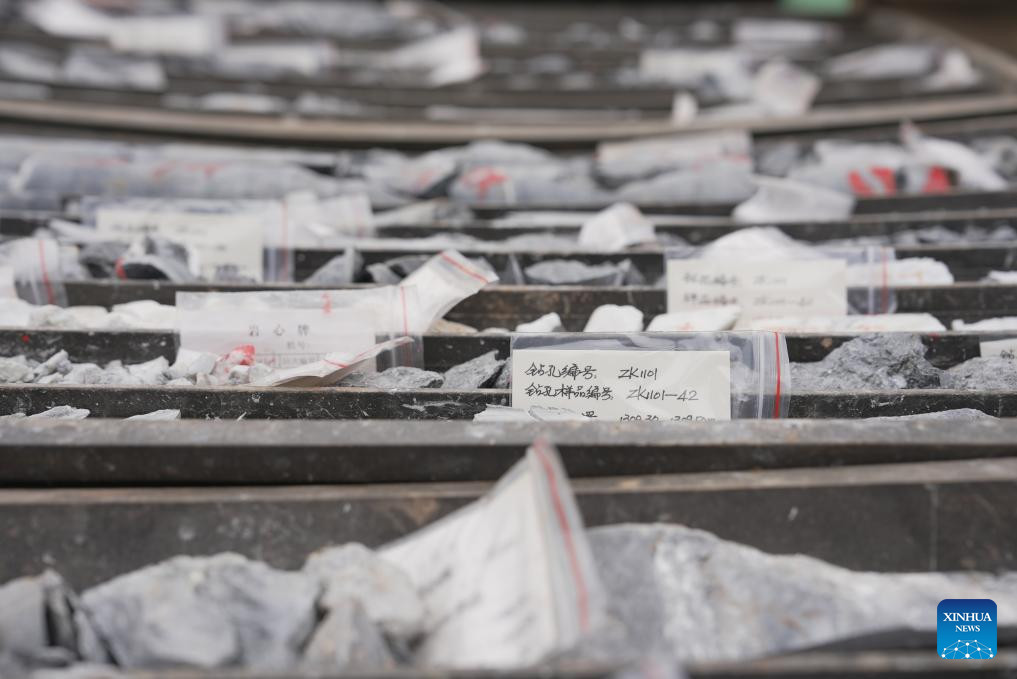
Research efforts by the Hunan Geological Bureau have intensified recently. From late 2024 through late 2025, the bureau contributed to numerous earth science and material chemistry studies, collaborating with institutions like the University of Göttingen.
Nevertheless, there is no announced timeline for mining activities or environmental reviews, and no independent audits of the reserve figures have been disclosed. International geological assessments remain pending.
Broader Implications for Technology and Industry
Gold’s role extends beyond investment reserves. In 2024, scientists at Linköping University created “goldene”, a monolayer gold material applicable in photonics, quantum computing, and catalysis. While unrelated to the Wangu discovery, it underscores gold’s evolving significance in cutting-edge technologies.
Securing a stable supply of ultrapure gold within China could provide strategic advantages in sectors needing precision nano-materials, including aerospace, electronics, and green energy solutions.
- Categories:
- News


0 comments
Sign in to Comment