
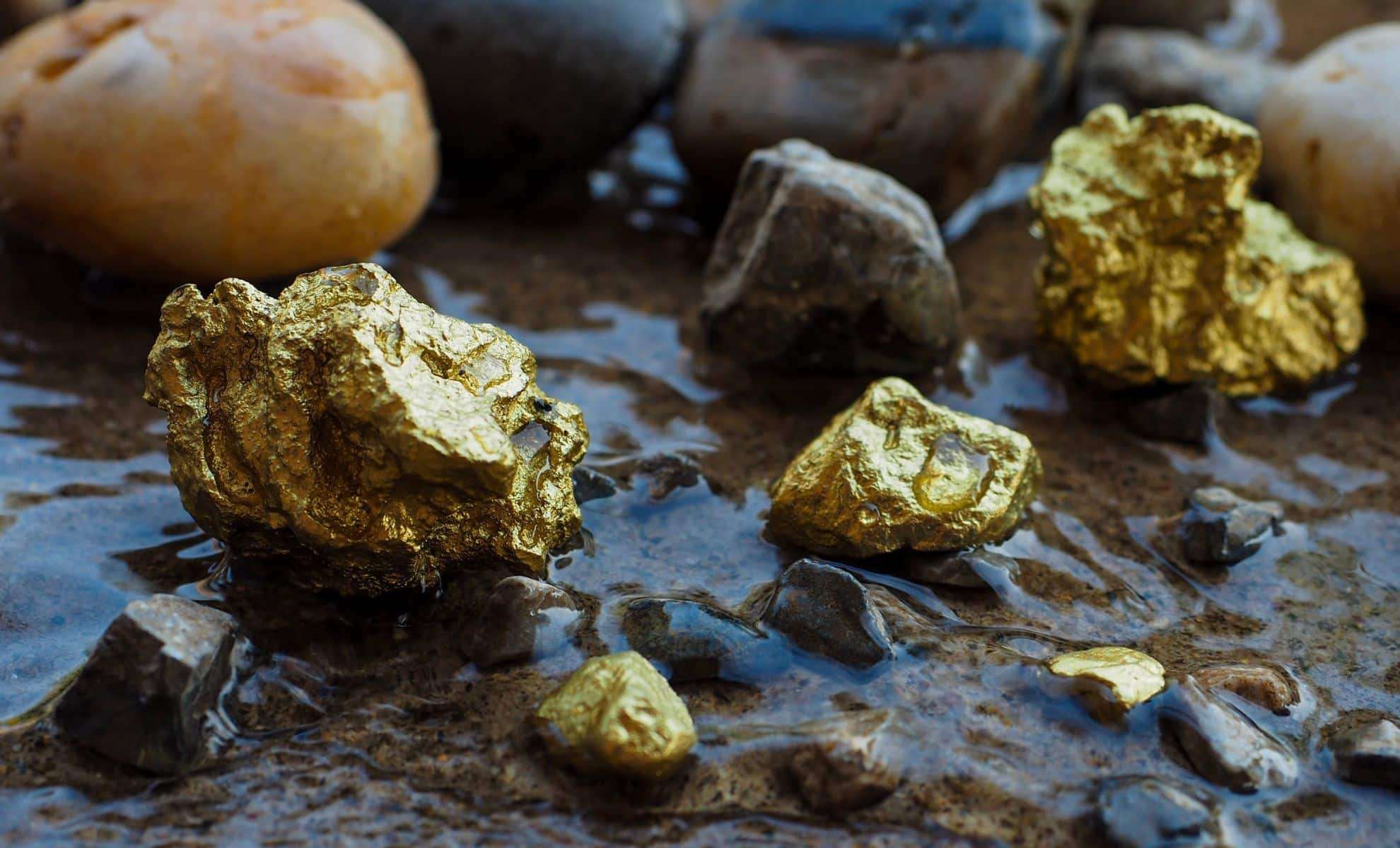
Researchers in China have announced the identification of an enormous gold reserve within Hunan Province, potentially surpassing any known deposit worldwide. An initial briefing by Chinese state media describes the find at the Wangu gold field as a true "supergiant" deposit, igniting excitement throughout the global mining community.
An Unprecedented Find Beneath the Surface of Hunan
Early estimates of the deposit indicated around 300 metric tons of gold, but subsequent evaluations have significantly raised this figure. Conservative calculations now estimate approximately 1,100 short tons—nearly 998 metric tons—of premium-grade gold. Valued against today's market, this deposit could be worth about US$83 billion.
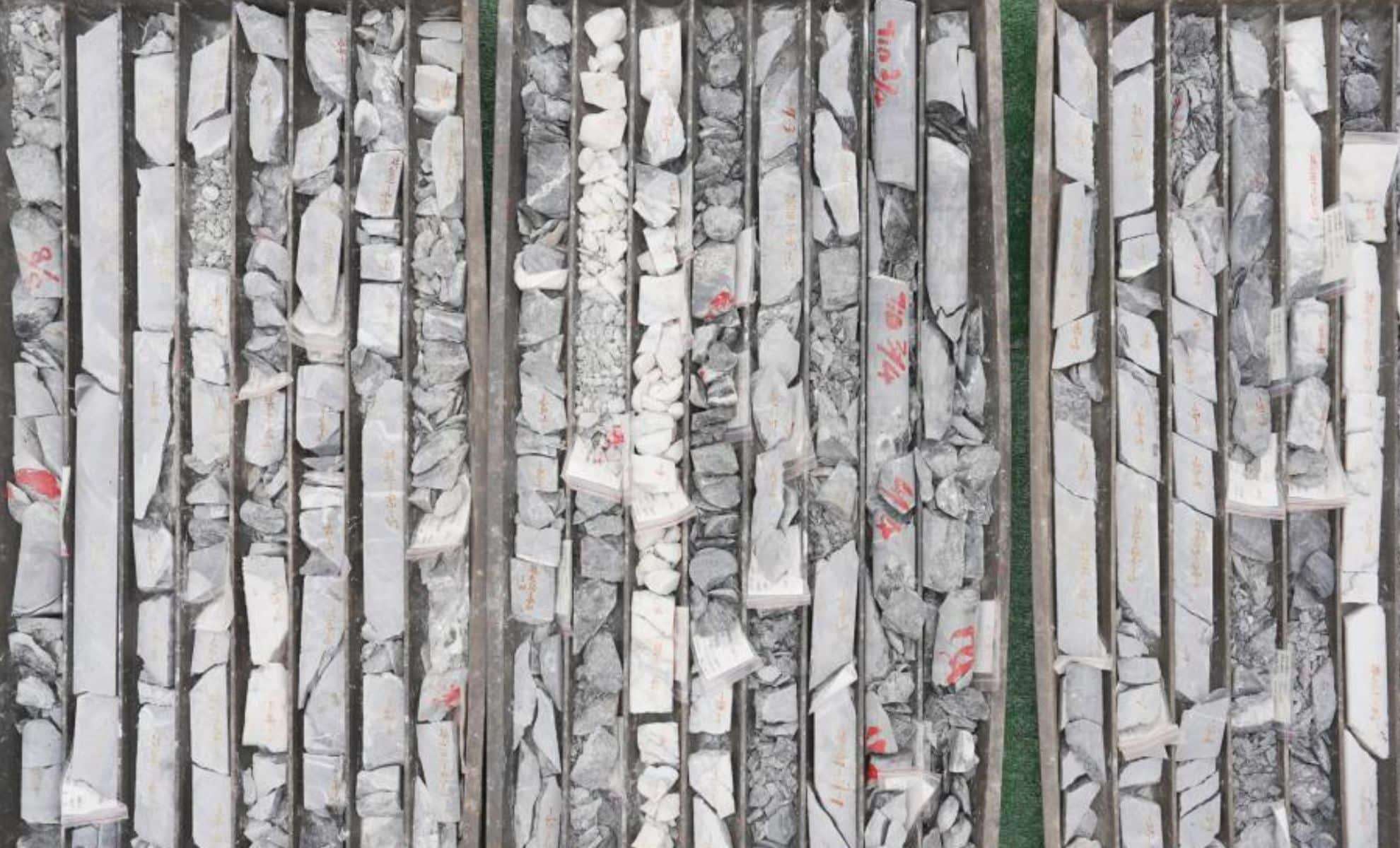
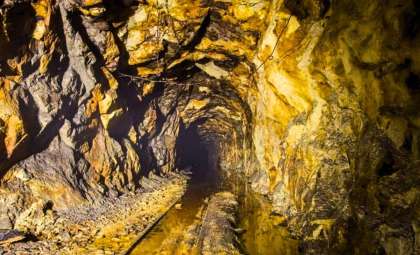
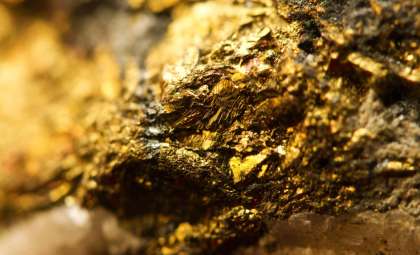
The geological structure comprises more than 40 gold-rich veins found over 1.2 miles underground. Chen Rulin from the Geological Bureau of Hunan Province noted, “many drilled rock cores displayed visible gold.” Such visibility in core samples typically signals extremely rich deposits. Computational analyses further suggest that mineral deposits may extend deeper, approaching depths near 1.9 miles.

Globally, most gold mines average about 8 grams per ton of ore, roughly the weight of a paperclip compared to a small car’s mass. The Wangu deposit, however, boasts an astonishing 138 grams per ton—close to 5 ounces, equivalent to the weight of a baseball.
This exceptional concentration eclipses the levels found at South Africa’s famed South Deep mine, which holds about 900 metric tons of gold. Should this figure be validated, the Wangu field would set a new global record.
Context Within Global Gold Resources
To date, humanity has extracted about 53,000 metric tons of gold from Earth, with geologists estimating around 50,000 metric tons yet undiscovered. Most surface-accessible deposits have been depleted, leaving the remaining gold buried deep underground in remote and challenging locations. In addition, environmental laws increasingly restrict mining methods that might cause ecological damage.
Some experts suggest we are nearing a “peak gold” era, where new major discoveries become scarce. Others argue that deposits like Wangu indicate that substantial quantities still lie hidden beneath Earth’s crust. Edge samples from the deposit hint that the mineralized area could extend beyond its currently defined limits, potentially raising total estimates.
Understanding Gold Deposit Formation
The traditional explanation for such deposits involves hot, mineral-laden fluids moving through cracks in rocks, depositing gold within quartz veins as they cool. However, some geologists believe this model cannot fully account for extraordinarily rich zones. Chris Voisey of Monash University pointed out that the gold concentration in typical fluid models is simply too dilute to explain large gold nuggets.
Recent studies published in Nature Geoscience propose that seismic events may play a pivotal role. Earthquakes can fracture rock and abruptly alter underground pressures, causing gold dissolved in fluids to rapidly precipitate. This process offers a compelling explanation for the dense concentration of veins observed at Wangu.
Advances in Gold Research Beyond Mining Applications
While the commercial focus remains on ore extraction, scientists are also investigating gold’s unique physical properties. In April 2024, researchers at Linköping University in Sweden synthesized a gold sheet just one atom thick, dubbed goldene. “Scaling materials down to atomic thickness reveals remarkable traits, much like graphene,” said Shun Kashiwaya. In this form, gold acts more like a semiconductor than a metal, which may revolutionize future electronic technologies.
Though unrelated to mining, such discoveries emphasize gold’s continuing importance and surprises in both technology and science.
Future Exploration of the Wangu Deposit
China currently possesses over 2,000 tons of gold reserves and accounts for roughly 10% of global production. This newly uncovered deposit could further solidify its leading position. Following the reveal, gold prices rose as investors absorbed the magnitude of the find.
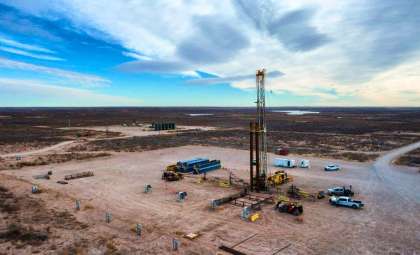
Exploration is advancing rapidly, with Hunan authorities coordinating drilling across 55 boreholes spanning approximately 65 kilometers. Officials aim to discover an additional 55 tons of gold by the end of 2025 and more than 110 tons throughout the ongoing five-year plan. The newly formed state-owned Hunan Mineral Resources Group is managing an integrated exploration effort to verify and expand the reserve estimates.
- Categories:
- News




0 comments
Sign in to Comment