
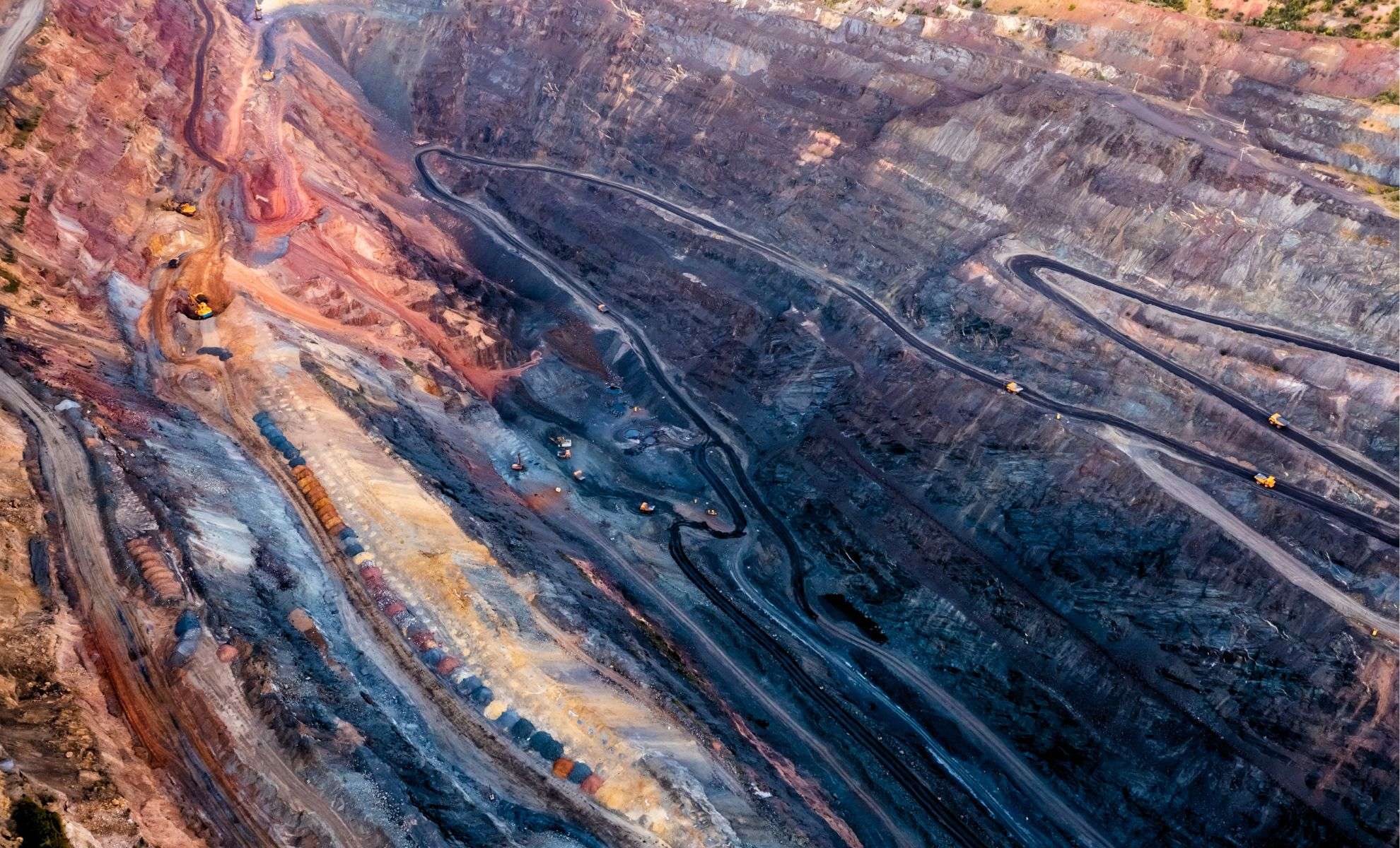
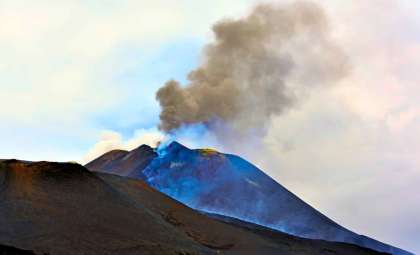
Underneath a dormant supervolcano in the western United States, scientists have identified an enormous lithium deposit that has the potential to alter the future of global energy supply. Situated within the vast McDermitt Caldera, which straddles the Oregon and Nevada border, this mineral reserve is valued at an estimated €413 billion, offering a crucial resource for the clean energy sector.
Groundbreaking Find at Thacker Pass
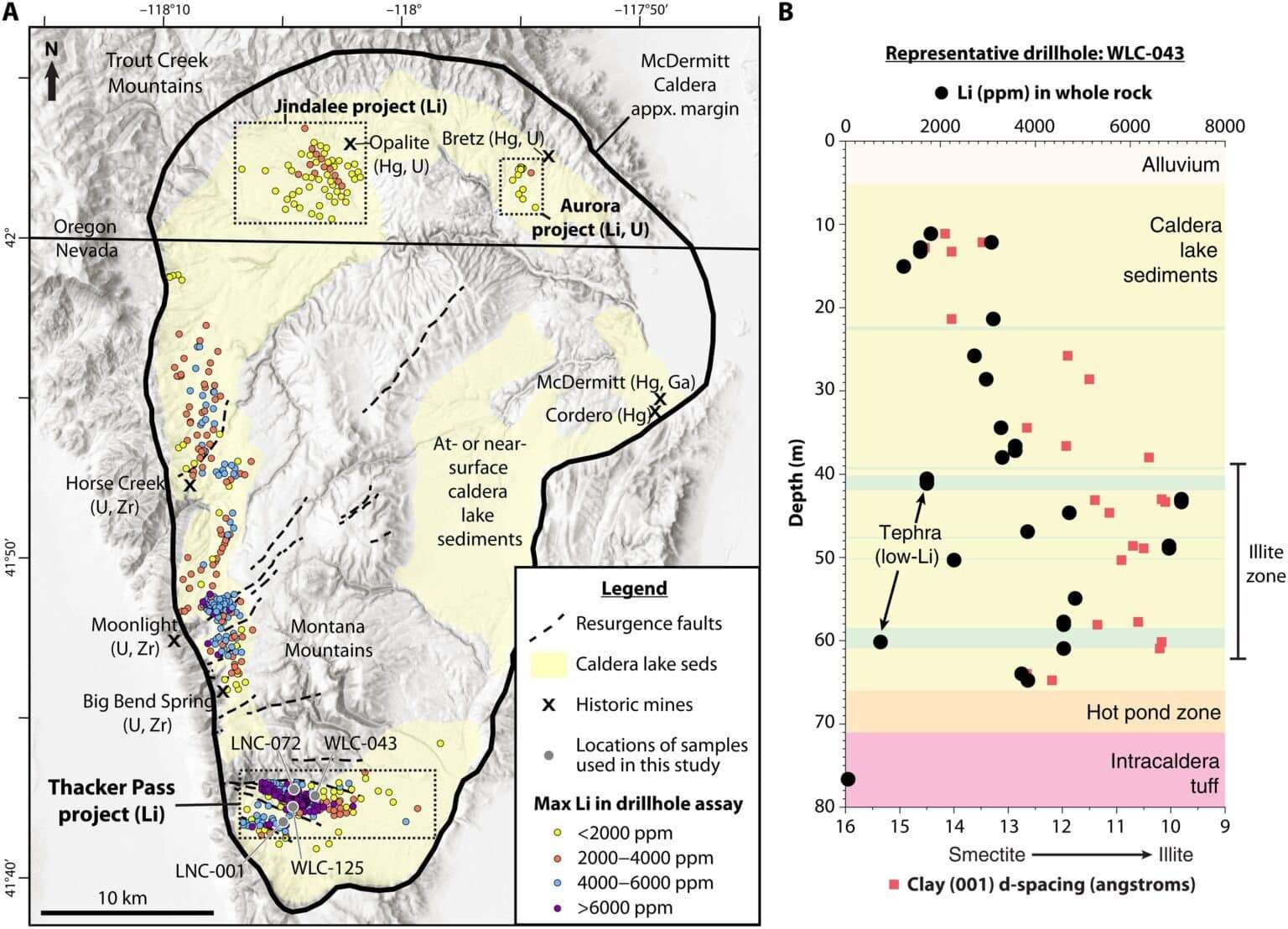
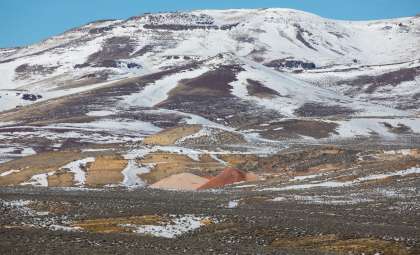
The McDermitt Caldera, created by a powerful volcanic eruption over 16 million years ago, now conceals one of Earth's richest lithium sources. This vast crater, measuring 45 by 35 kilometers, once hosted a lake that accumulated volcanic ash and minerals, resulting in lithium-enriched clay formations. The area known as Thacker Pass is particularly notable for its elevated lithium levels, drawing significant research interest.
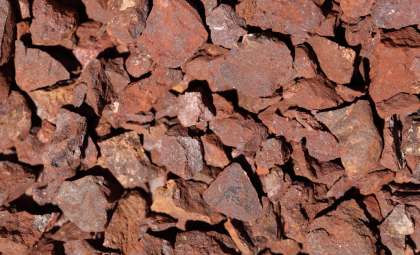
At Thacker Pass, the illite clay layer contains lithium concentrations up to 2.4 percent by weight, markedly higher than the global average of 0.4 percent. Such impressive concentrations contribute to the exceptional value and promise of the McDermitt Caldera’s lithium reserves.

Unique Geologic Formation Process
The significant lithium enrichment at Thacker Pass is the product of a rare two-step geological mechanism. Initially, lithium-rich volcanic glass was leached by alkaline lake waters, forming magnesium-dominated smectite clays. Subsequently, around 16.3 million years ago, hydrothermal fluids carrying potassium, fluorine, rubidium, and cesium passed through, transforming the clays into illite and concentrating the lithium content.
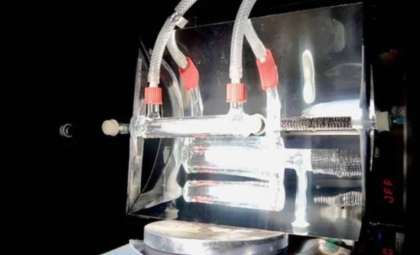
Collaborating scientists from Columbia University and Lithium Americas Corporation employed sophisticated analytical methods to study the illite minerals. Lithium concentrations in samples ranged between 1.3 and 2.4 percent, averaging 1.8 percent. Their findings, published in Science Advances, also revealed strong associations between lithium and other elements like boron, rubidium, and cesium, confirming the hydrothermal alteration’s crucial role in deposit formation.
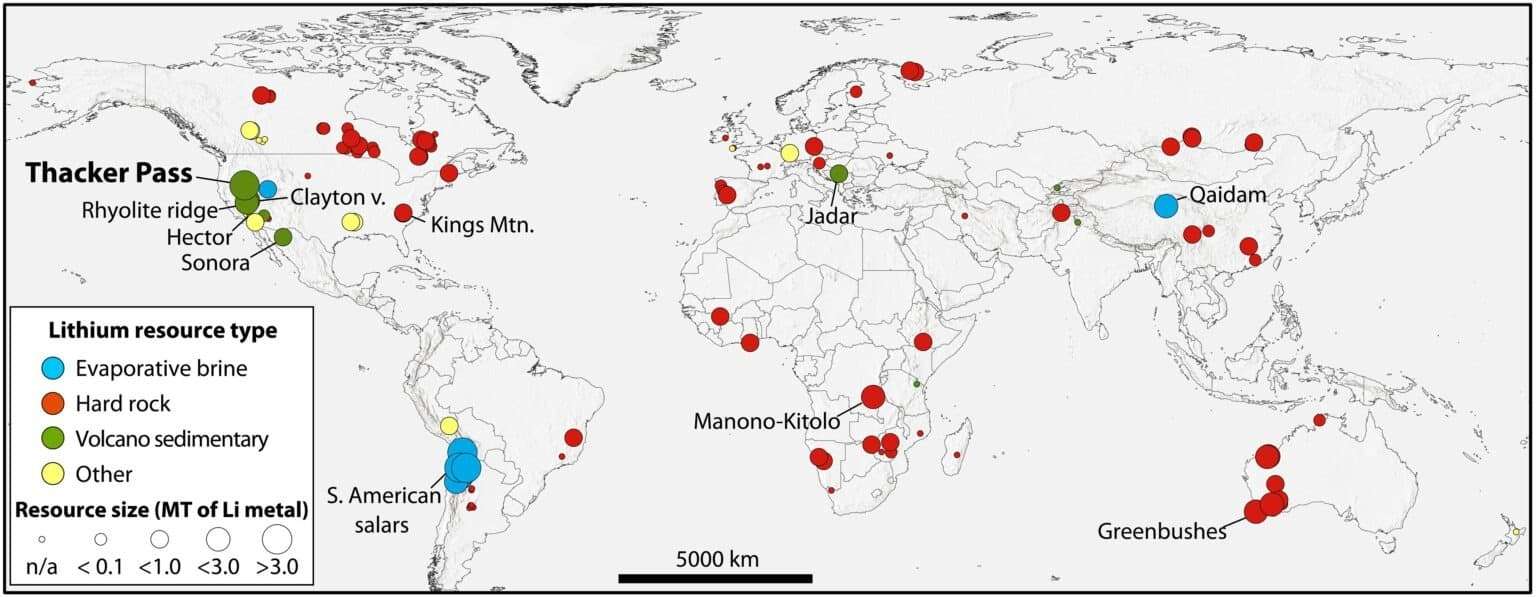
This positions Thacker Pass as a leading site for lithium extraction, surpassing other known deposits in Nevada, such as those in Clayton Valley and Rhyolite Ridge.
Environmental and Cultural Concerns Raise Debate
Despite its promise, the Thacker Pass lithium project has faced opposition. Indigenous groups, including the People of Red Mountain, have voiced strong resistance, accusing the mining initiative of perpetuating “green colonialism” by threatening sacred land and disrupting traditional hunting and gathering practices. Meanwhile, a federal court ruling has allowed mining development to move forward.
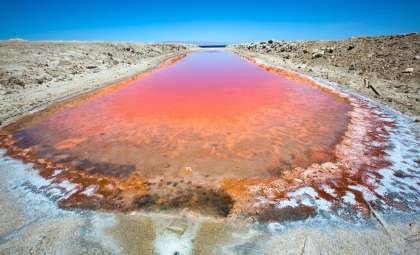
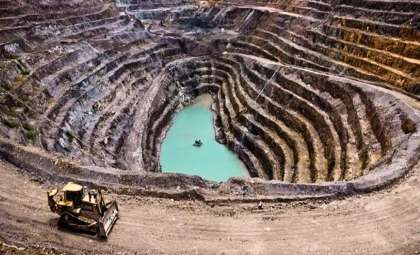
Environmental experts have raised additional concerns. Although the extraction method avoids traditional evaporation ponds typical of brine mining, potential impacts include soil degradation, heavy metal contamination, and stress on local water sources. These challenges highlight the delicate balance between advancing economic interests and protecting environmental health.
The United States’ Potential Energy Leap
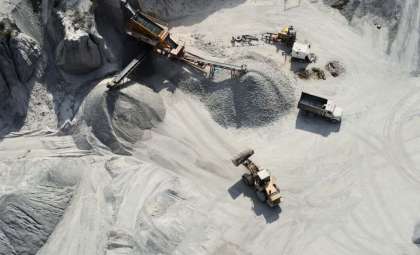
The lithium resource beneath McDermitt Caldera represents a strategic opportunity to reduce U.S. dependence on lithium imports from countries like Chile, Bolivia, and China. Developing this deposit could supply essential materials for electric vehicles, batteries, and other clean technology applications, potentially driving down costs as global lithium demand surges through 2040.
Beyond economics, the way the U.S. manages this lithium resource will carry profound implications for its energy policies and environmental commitments. This discovery is more than a mineral find; it symbolizes a pivotal moment in the nation’s pursuit of sustainable energy and climate change solutions.
- Categories:
- News


0 comments
Sign in to Comment