
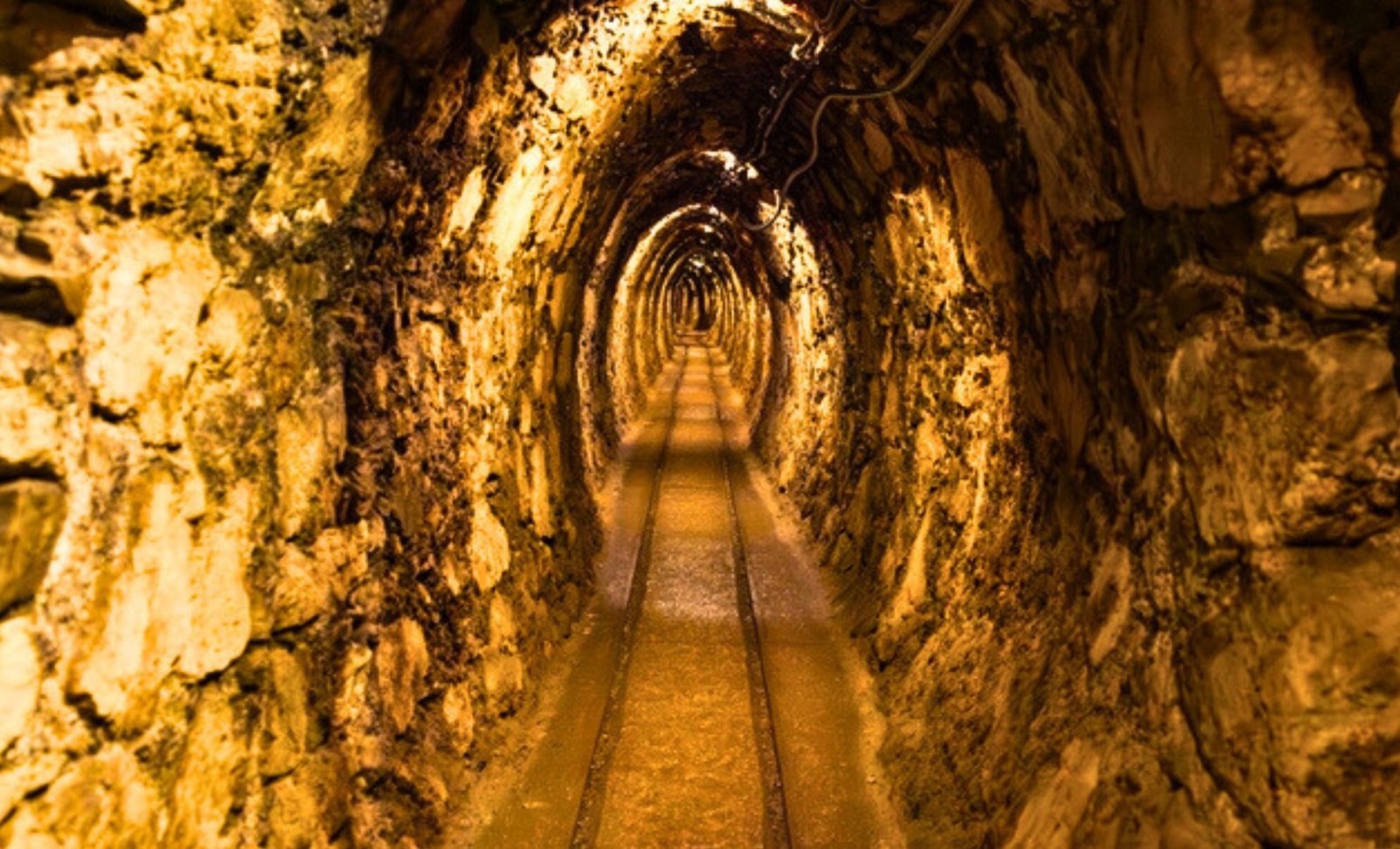
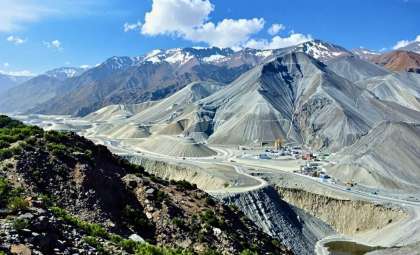
In the northeastern region of China, beneath the rugged landscapes of Liaoning Province, geologists have identified a staggering gold reserve estimated to contain more than 1,440 tonnes of gold. This treasure trove, valued at upwards of $192 billion, was officially confirmed earlier this month by China’s Ministry of Natural Resources. Arriving amid global economic uncertainty, this discovery could significantly influence financial markets well beyond China’s borders.
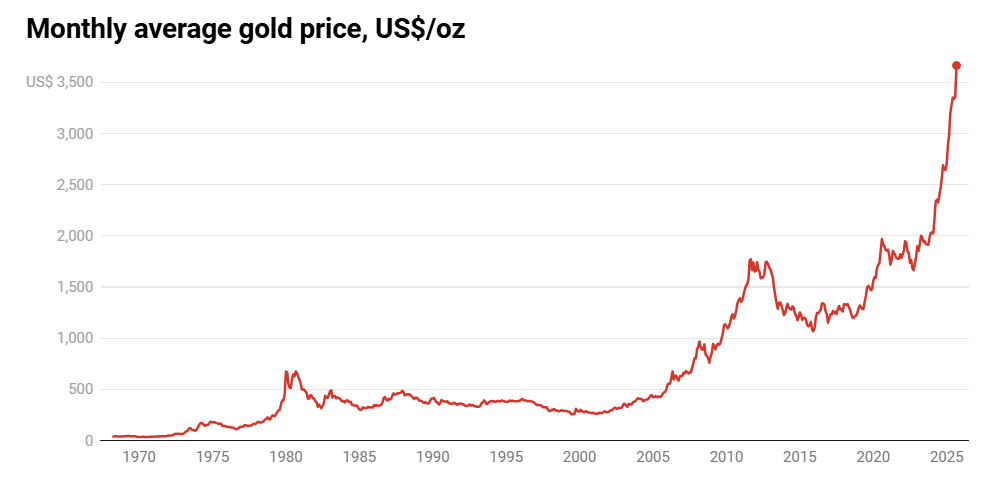
The price of gold has reached record heights, surpassing $4,100 per ounce as of October, reported by The Conversation. This represents almost a doubling of value since early this year, driven by inflation concerns, destabilized markets, and a widespread move away from conventional fiat currencies. Within this context, China’s find holds profound strategic importance beyond its geological significance.
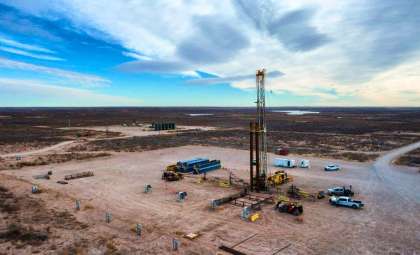
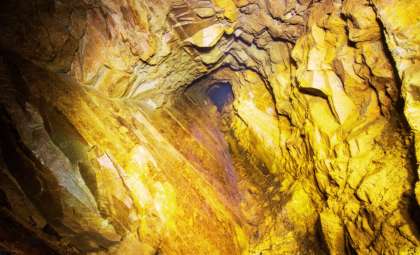
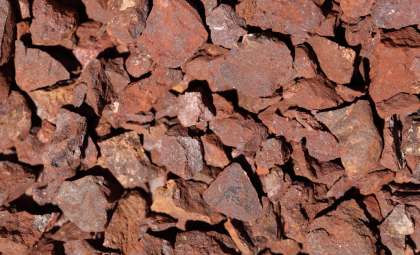
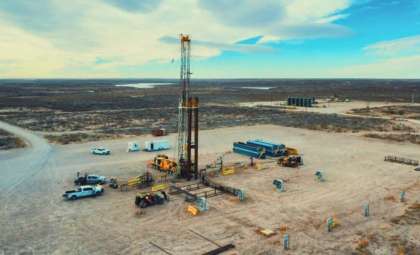
Referred to as the Dadonggou gold mine, the deposit is the largest gold discovery in China since 1949, as reported by the Ministry of Natural Resources. Exhibiting an average ore concentration of 0.56 grams per tonne and stretching across 2.586 million tonnes of ore bearing gold, the deposit could elevate China’s gold production capabilities to unprecedented levels.

This exceptional quantity underscores a larger economic goal: China is actively seeking to cement its dominance in the mineral sector at a time when gold acts as more than a simple commodity—it has become a key safeguard, geopolitical tool, and a marker of shifting global power.
China Accelerates the Development of a Gold Industry Hub
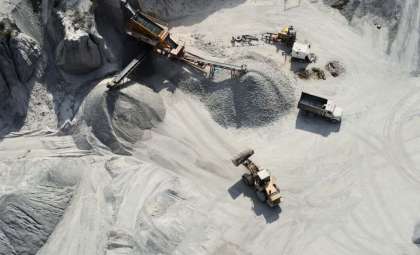
Plans are underway to transform Dadonggou into a comprehensive gold supply chain center, covering everything from exploration and extraction to smelting, refining, and the crafting of gold jewelry. According to China Daily, this initiative involves a collaboration among China National Gold Group, Liaoning Mineral Geology Group, and the Yingkou Municipal Government, with a combined investment of about 20 billion yuan (approximately $2.82 billion) aiming for project completion by 2027.
The development will feature a 133-hectare industrial complex, consisting of zones for refining, storage, and logistics. The government views this as a flagship project to promote “high-quality development” in a region long challenged by industrial stagnation.
As shared by Wang Yan, a professor at the CPC Party School in Shenyang, “The mine’s reserves exceeding 1,000 tons will substantially fortify China’s national strategic gold reserves. The full-scale industrial chain from mining to market will significantly boost the gold sector’s international competitiveness.”
The efficiency in advancing the mine’s development is notable. Euronews details that nearly 1,000 workers finalized exploration in a mere 15 months, an unusually rapid timeline for such a sizable deposit. This pace illustrates China’s prioritization of the gold resource, both from economic and strategic reserve perspectives.
The Shift in Gold Demand Driven by Central Banks and Inflation Concerns
This discovery emerges as the global gold market witnesses a profound transformation. According to The Conversation, this soaring demand is spurred by two main factors: expanding holdings of gold-backed ETFs and increasing accumulation by central banks, particularly in emerging markets.
In 2024, China’s gold consumption reached 985 tonnes, significantly exceeding its domestic output of 377 tonnes. Simultaneously, ETF inflows hit a record $26 billion in the third quarter of 2025. This combination has created a market where conventional price sensitivity is weakening, especially among central banks aiming to reduce reliance on the U.S. dollar.
The report highlights that China and Russia are progressively adjusting their reserve strategies toward gold amid a broader trend of de-dollarization. Emerging-market central banks have boosted their gold reserves by 161% since 2006, according to the IMF, as geopolitical tensions increase the risks of holding dollar-pegged assets.
This trend intensified following Russia’s exclusion from SWIFT and Western threats against sovereign reserves, bolstering physical gold’s appeal because it does not carry the same geopolitical vulnerabilities as fiat currencies.
The Future Landscape of Global Gold Control
This significant find places China at the forefront of a new era in gold resource management. While other nations scramble to secure gold through international markets, China is extracting substantial quantities directly from its territories.
Dadonggou is part of a recent series of major gold discoveries. In late 2024, a massive deposit in Hunan Province was estimated at $83 billion, followed by a 40-tonne find in Gansu reported by IFLScience. These coordinated discoveries indicate a strategic effort by China to influence commodity markets, trade negotiations, and global currency dynamics over the long term.
Public details about Dadonggou’s exact location remain limited, arousing curiosity. As mentioned by Euronews, Chinese officials have only disclosed that the mine is situated in eastern Liaoning. This opacity is fueling speculation regarding security concerns and management of strategic reserves.
- Categories:
- News



0 comments
Sign in to Comment