
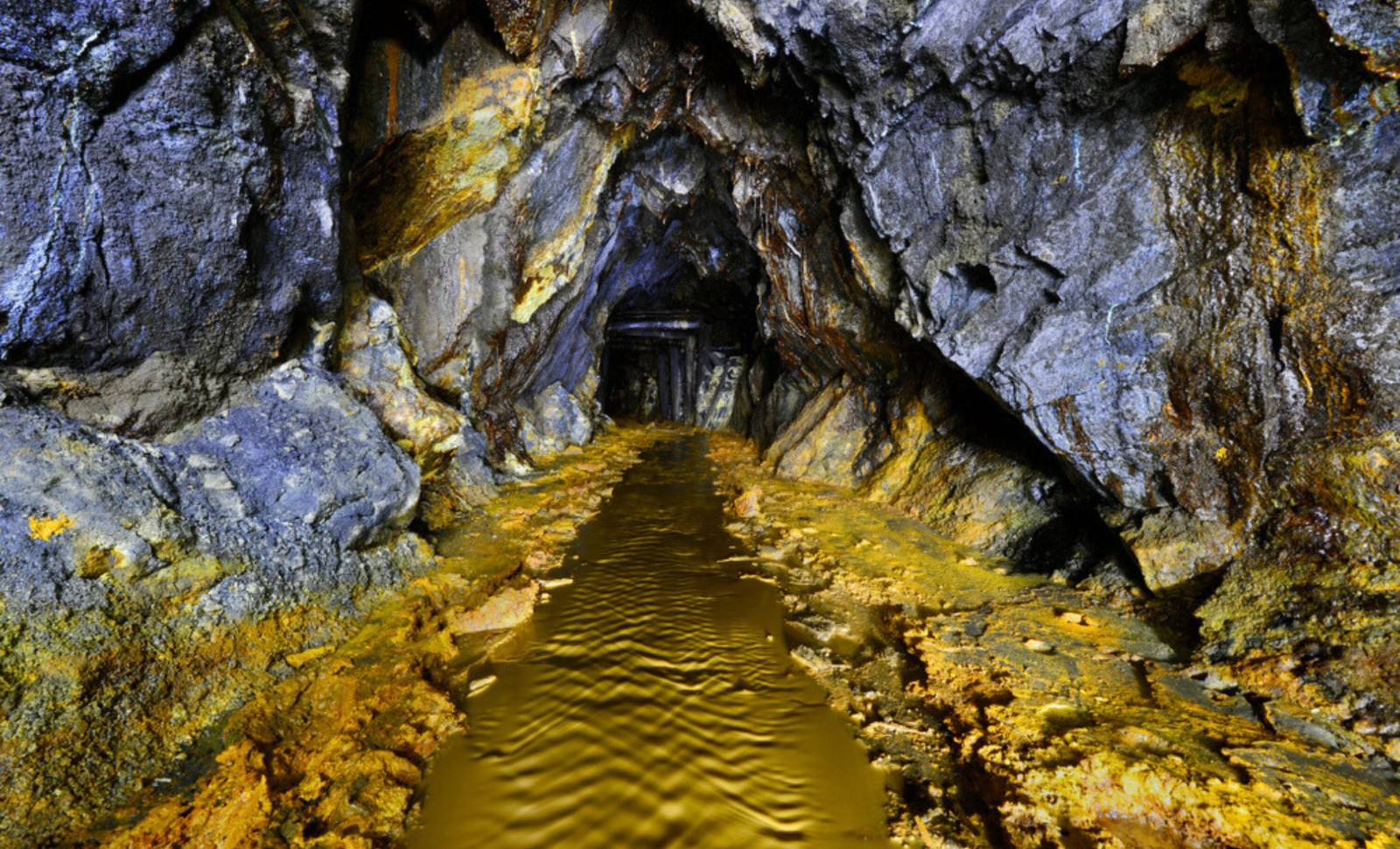
Scientists at the Wangu Gold Field have uncovered an enormous mineral deposit lying deep underground in Pingjiang County, situated in the northeast of Hunan Province, central China. After years of meticulous study, researchers successfully mapped the subterranean formations to reveal the rich ore layers beneath.
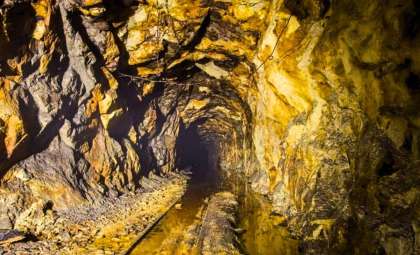
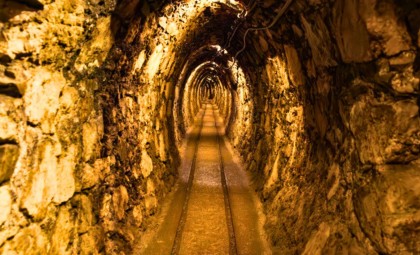
The search effort included drilling over 40 boreholes reaching depths beyond 2,000 meters, providing unprecedented insight into the region’s underground geology. These test holes revealed dozens of distinct gold-bearing veins scattered throughout the bedrock.
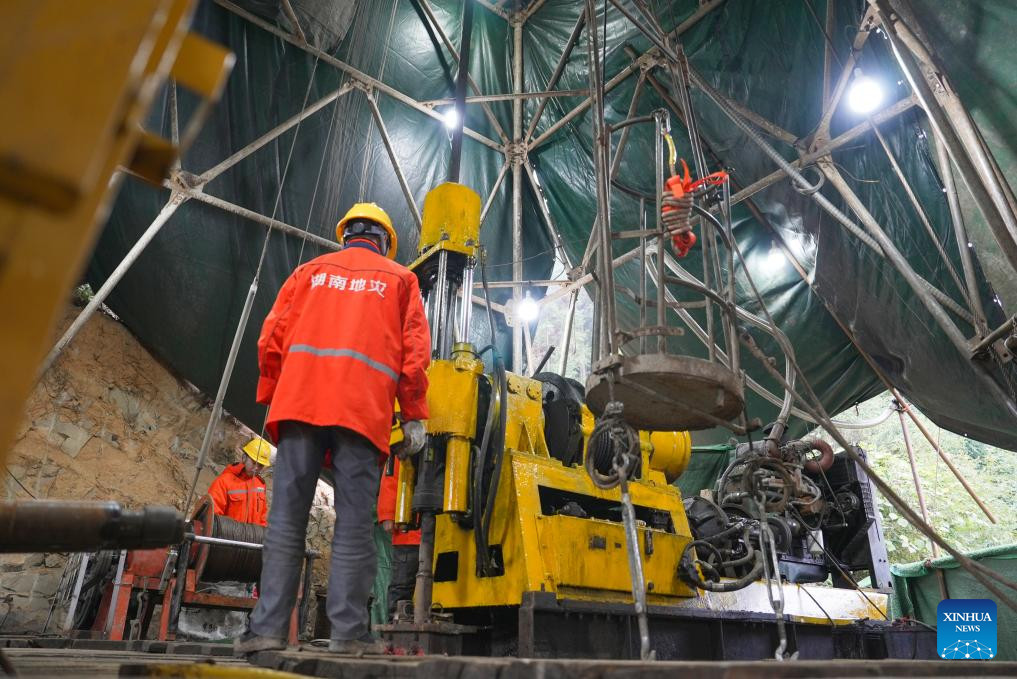
Tracking the mineral distribution required sophisticated 3D geological modeling. Experts analyzed rock samples for key indicators signaling high concentrations of precious metals, and results revealed the deposit to be far larger than originally expected.

Exploration into Hunan’s Geological Depths
The ongoing study was spearheaded by the Hunan Provincial Geological Institute. Historically known for smaller mining operations, the true magnitude of this deposit remained concealed until now. Chen Rulin, affiliated with the Hunan Provincial Geological Institute, highlighted how cutting-edge technology facilitated exploration to unprecedented depths.
During the most recent phase, over 40 mineral veins were pinpointed at depths near 1,500 meters. This abundance indicates a complex geological past for the area. A recent study in Nature Geoscience explores how tectonic activity influences the formation of giants like this deposit.
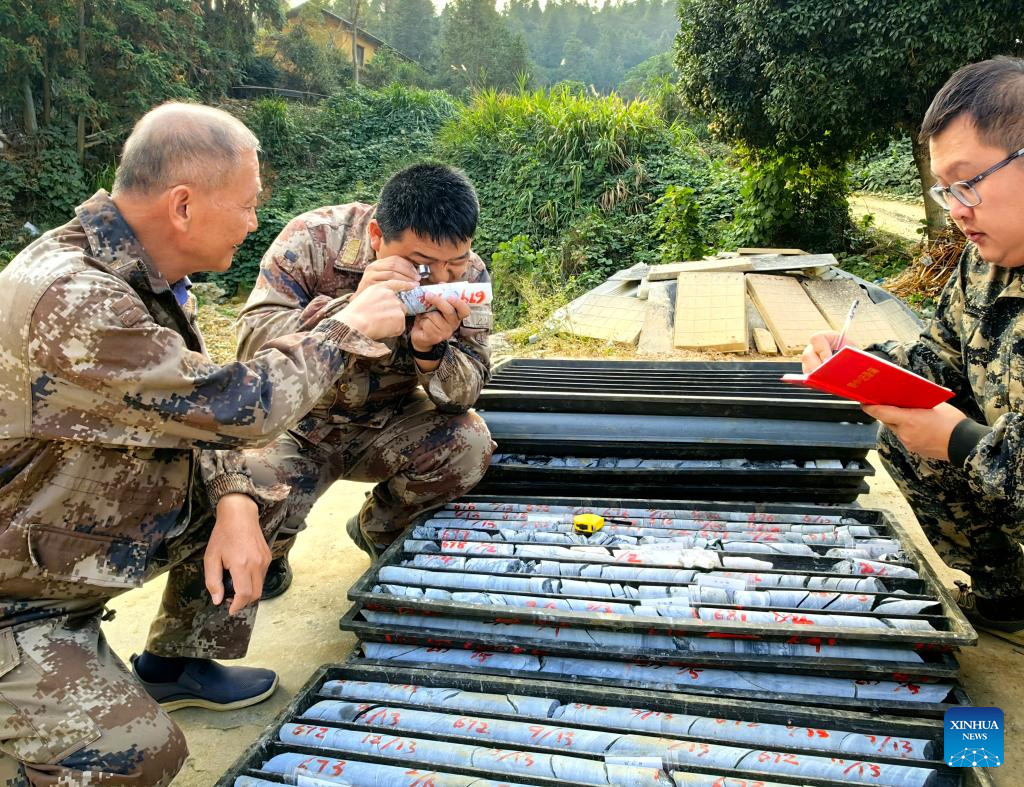
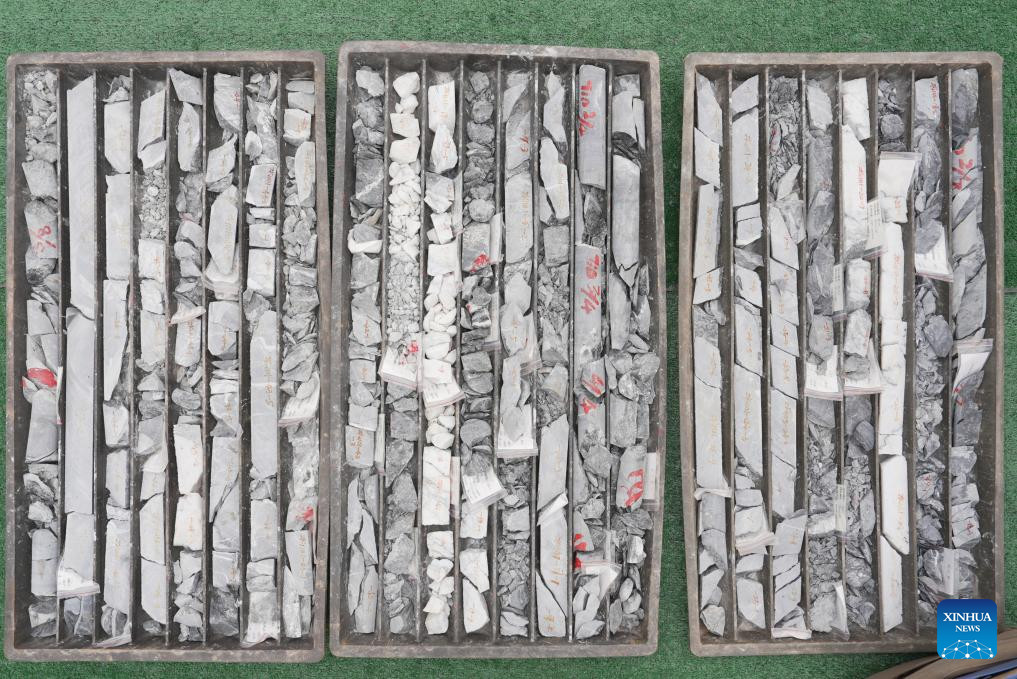
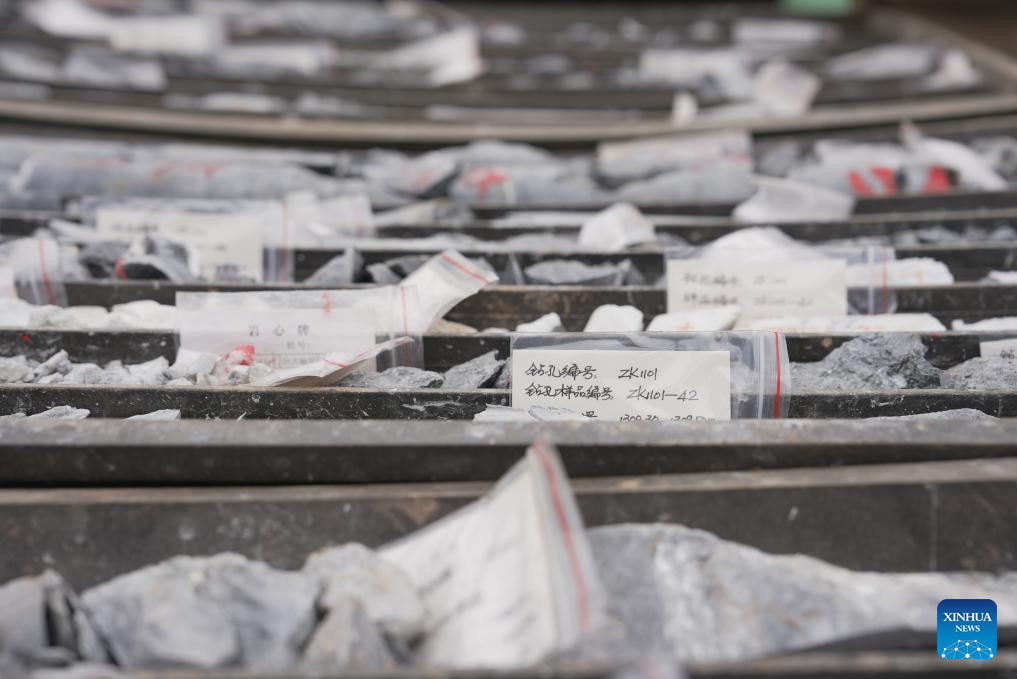
The team concentrated on a particular geological classification known as a supergiant gold deposit—a site with a vast quantity of concentrated precious metals. Core samples extracted from deep drills were thoroughly analyzed to validate the discovery, as stated by Xinhua News.
Evaluating the Deposit’s Size and Value
The confirmed gold quantity in the highest-grade core zone totals 300.2 metric tons, though researchers believe broader reserves exceed this significantly. Computerized geological mapping suggests the entire region at depths past 3,000 meters could hold more than 1,000 metric tons.
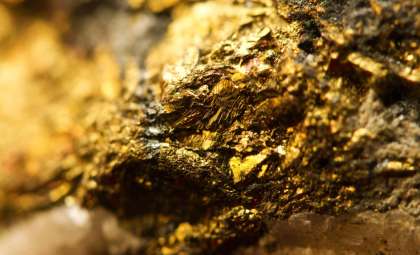
To contextualize, this deposit alone represents a large fraction of the documented global gold reserves. Remarkably, some core samples revealed gold concentrations as high as 138 grams per ton, ranking the field among the richest worldwide and surpassing the grades found in many leading gold mines.
The estimated market value of the verified 300.2 metric tons is around 600 billion yuan, roughly $82.8 billion at current prices. Analysts suggest this is the largest gold discovery documented in China to date, a fact emphasized by Popular Mechanics in their coverage.
Advanced Techniques in Geological Surveying
Success at Wangu was enabled by prospecting tools surpassing conventional mining approaches. The geological team employed seismic analysis and modern drilling equipment to reach the deep mineral veins, producing highly accurate maps of the ore distribution.
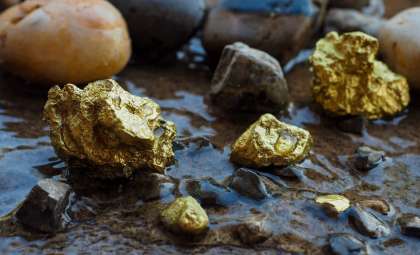
Chen Rulin noted visible signs of gold within many of the drill cores, reinforcing the digital model findings. This 3D visualization provided precise guidance on targeting drilling and sampling operations.
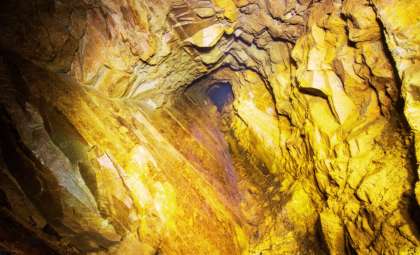
The gold deposit lies along a significant fault line that once funneled mineral-rich hydrothermal fluids into surrounding rock fractures millions of years ago. As these fluids cooled, minerals precipitated, forming the rich veins discovered. Understanding this geological process was critical to the team's success and has already impacted gold market dynamics.
Impact on the Global Gold Industry
This find could alter the global gold supply landscape. According to the World Gold Council, the total gold ever mined in history is roughly 212,491 metric tons. The potential addition of up to 1,000 metric tons from a single site is significant for the global inventory.
China, already the top gold producer worldwide, is expected to reinforce its standing following this discovery. The vast scale and higher ore grades suggest extraction might be more cost-effective compared to other substantial mines in countries like South Africa and Australia.
Researchers are still analyzing data to refine reserve estimates. While the core 300.2 metric tons are confirmed, unlocking the full potential of the deposit at depths near 3,000 meters presents technical challenges yet to be mastered.
This mineral-rich zone spans over 20 square kilometers within Pingjiang County.
- Categories:
- News



0 comments
Sign in to Comment