
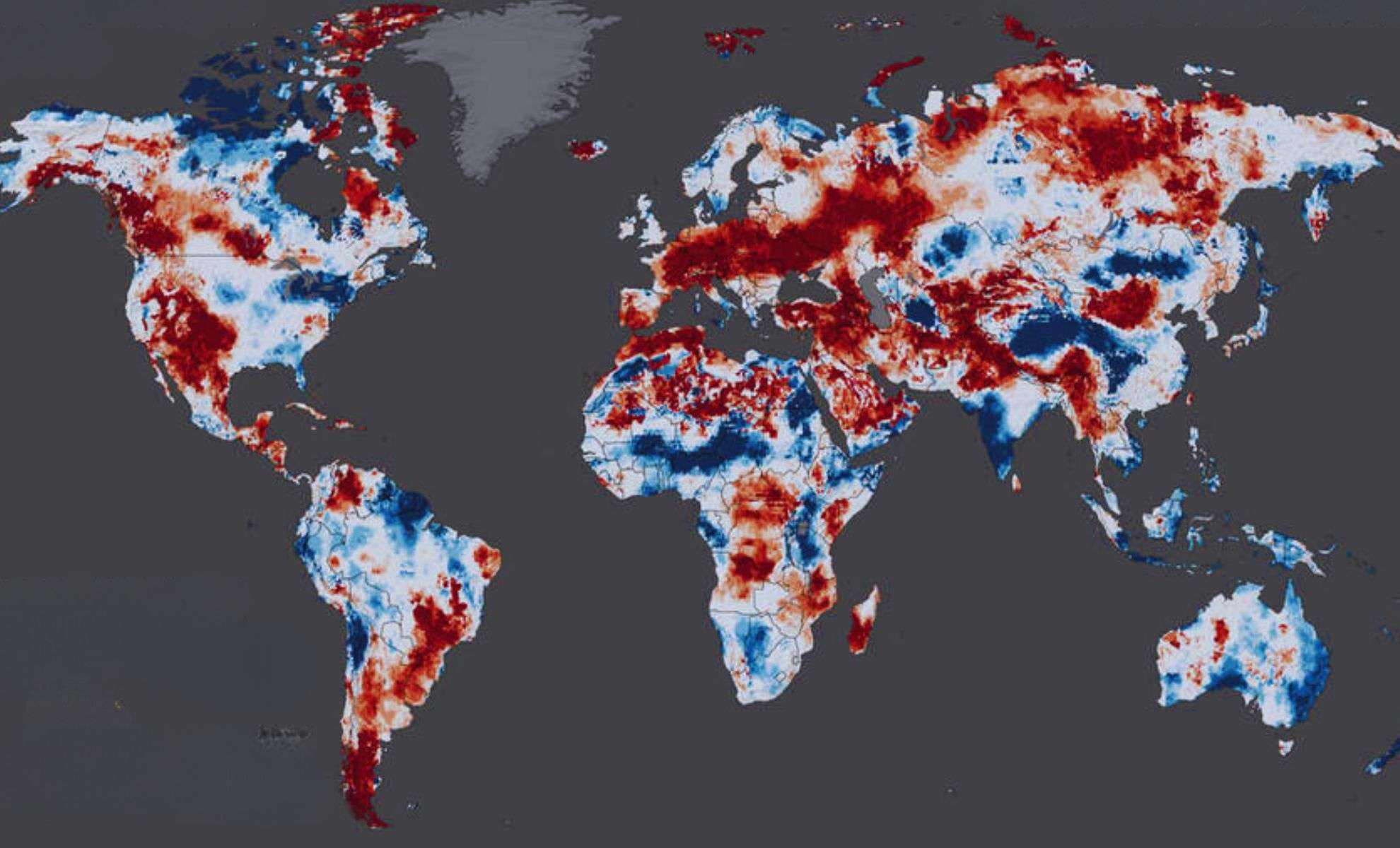
Recent findings from NASA’s Grace satellite highlight a worrying increase in the frequency and severity of extreme weather occurrences over the last five years. Experts characterize this growth as both surprising and concerning, noting that such phenomena are happening more often, with greater intensity, and persisting for longer durations. Remarkably, last year’s extremes nearly doubled in strength compared to the 2003-2020 period average. Although the data awaits full peer review, the trends strongly indicate escalating impacts linked to climate change. These observations reinforce earlier NASA research, including the Goddard Space Flight Center’s findings that underscore a pressing need for enhanced climate mitigation and adaptation efforts.
Tracking the Increasing Intensity and Occurrence of Extreme Weather
The latest satellite data vividly captures the rapid transformation of Earth’s climate, revealing a sharp rise in devastating events like droughts and floods, which vary widely in their geographical distribution. Last year witnessed a significant escalation in the scale, power, and longevity of these episodes when compared to long-term historical data. This growing pattern demands urgent readiness at global and local levels as communities grapple with these harsher and more frequent disruptions.
As NASA’s Dr. Bailing Li points out, these extreme weather incidents are no longer rare or isolated. “We are witnessing a continuous surge in severe weather globally, which is deeply troubling,” Li said. The mounting intensity disrupts ecosystems, agriculture, and economies alike, with consequences expected to worsen as global warming progresses.

Climate Change as a Catalyst for Worsening Weather Extremes
There is a broad consensus among scientists that climate change is a driving force behind these intensifying patterns. The analysis reveals a strong link between rising global temperatures and the increased occurrence and strength of extreme weather events. This evidence aligns with NASA’s prior reports, highlighting disturbances in the planet’s water cycle, including prolonged droughts and sharp flooding episodes, as closely tied to thermal shifts worldwide.
Dr. Matthew Rodell, leader of the hydrological sciences division at NASA’s Goddard Space Flight Center, voiced alarm about the rapid escalation of these destructive episodes. “The situation is alarming,” he noted, recognizing the difficulties faced by communities that are ill-equipped to manage these changes. Although definitive causal relationships require further data, current findings strongly implicate global warming as a key factor intensifying these weather extremes.
Widening Impact: How Extreme Weather Threatens Global Stability
The repercussions extend well beyond environmental damage, straining vital resources like water supplies and agriculture. Christopher Gasson, director at Global Water Intelligence, warns that water management industries worldwide are unprepared for facing extremes of scarcity and excess. “This poses a serious threat,” Gasson explained, emphasizing the necessity of immediate investments in water infrastructure to address these challenges.
Moreover, rapid switches between drought and flooding, referred to as hydroclimatic whiplash, are causing severe disruption to ecosystems and farming. The Royal Meteorological Society stresses that these swift transitions inflict more harm than isolated weather disasters, endangering biodiversity, infrastructure, and public health. Such volatile shifts are destabilizing natural and human systems, complicating the ability of communities to adjust to evolving environmental conditions.
- Categories:
- News









0 comments
Sign in to Comment