
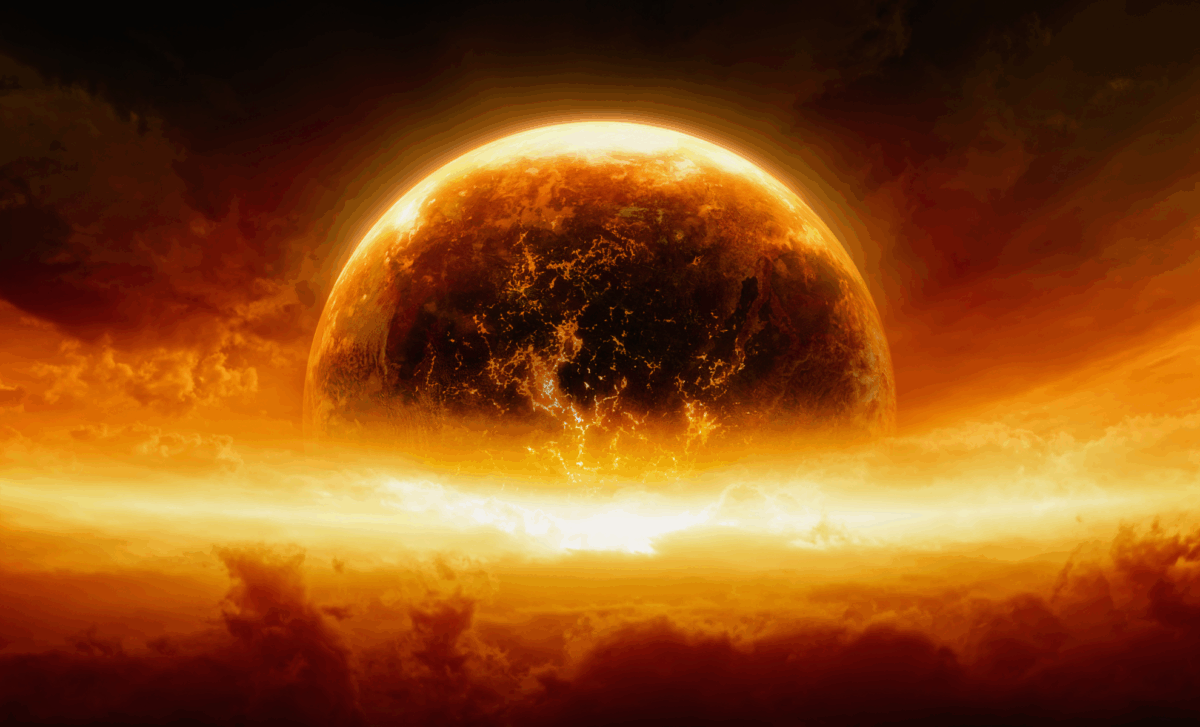
Scientists have long debated what lies ahead for our planet. Leveraging powerful supercomputers and advanced simulations, a recent study by NASA and Toho University in Japan brings new insights into Earth’s long-term prospects. This research examines the dynamic interplay between the Sun’s evolving behavior, Earth's atmosphere, and the impacts on life-sustaining conditions. But precisely how much time does Earth have before becoming inhospitable? And what implications does this hold for humanity?
How the Sun Determines Earth’s Ultimate Destiny
Instead of dramatic external forces like asteroid collisions or global warfare, the primary agent of Earth’s eventual demise will be our own star. Over billions of years, the Sun will continue expanding and brightening, disrupting our planet’s delicate balance.
It is well-established that the Sun will enter its red giant phase after depleting its nuclear fuel, swelling substantially and emitting far more energy. While this event lies billions of years in the future, preceding changes will gradually render Earth unlivable much earlier. As Kazumi Ozaki, lead researcher on this NASA project detailed in Nature, remarks,

“For many years, the lifespan of Earth’s biosphere has been discussed based on the steady brightening of the Sun.”
The incremental rise in solar energy will provoke climatic shifts that steadily erode life’s viability.
Surprisingly, the supercomputer models forecast that by year 1,000,002,021, conditions on Earth will be so extreme that even the hardiest organisms cannot endure. Ocean evaporation, atmospheric thinning, and loss of habitability will signal the planet's final chapter.
Humanity’s Existence: Shorter Than Expected
Though one might assume humans have eons ahead, recent findings suggest our tenure is more limited. Human survival hinges on Earth's environmental stability, and accelerating deterioration may curtail this timeframe.
The NASA study emphasizes that the threat extends beyond the Sun’s red giant transformation; climate and atmospheric disruptions happening much sooner could render Earth unsustainable within centuries. Higher temperatures, oxygen depletion, and dwindling resources threaten an ecological tipping point well before the Sun’s late lifecycle changes.
Alarmingly, anthropogenic climate effects amplify natural solar warming. As Ozaki highlights,
“If true, one can expect atmospheric O₂ levels will also eventually decrease in the distant future.”
Increased greenhouse gas emissions and global warming may hasten Earth’s slide toward an unbreathable atmosphere.
Earth’s Atmosphere: A Gradual Disappearance of Oxygen
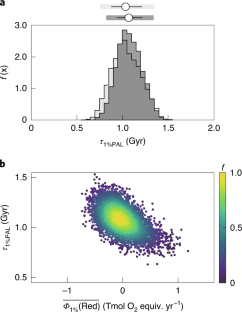
A startling discovery from this research is the projected decline of atmospheric oxygen over billions of years as the Sun grows brighter. Enhanced solar activity, including coronal mass ejections and solar storms, disrupts Earth’s magnetic shield and could diminish oxygen concentrations.
Compounded by ongoing human-caused changes like deforestation and pollution, oxygen levels may drop sooner than previously thought. This atmospheric transformation, along with solar brightening, may eventually restrict life to the most resilient microbes—if survival remains possible at all.
Evaporation of Oceans: The Final Collapse of Life
One of the most profound impacts of the Sun’s growing intensity is the loss of Earth’s oceans. Rising surface temperatures will cause water to vaporize, removing a vital component for sustaining life and regulating climate.
This process is expected to occur well before the Sun enters its red giant stage. Without oceans, Earth’s atmosphere will alter drastically and the biosphere will cease to function, leaving a desolate environment incapable of supporting any known life forms.
Is There a Way Out for Humanity?
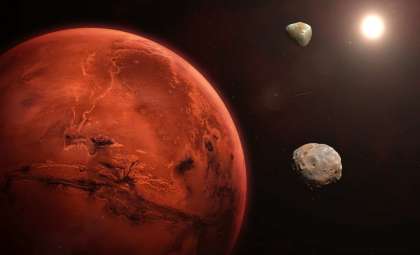
While these projections paint a bleak picture, could space exploration offer an escape route? The discussions around interplanetary colonization grow increasingly relevant as NASA advances missions to Mars and beyond, aiming to establish human habitats off Earth.
Nonetheless, the timeline to develop sustainable extraterrestrial settlements is tight, and the accelerating threats to Earth’s habitability raise urgent questions. Although there’s still time to explore options, humanity must act swiftly to address the challenges posed by both climate change and solar evolution.
- Categories:
- News





0 comments
Sign in to Comment