
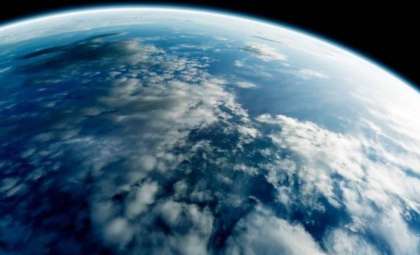
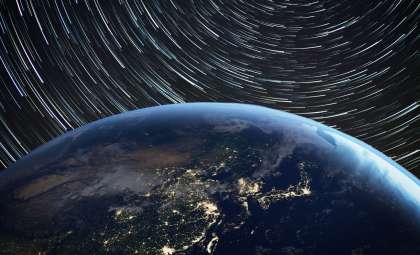
A newly published research paper supported by NASA and led by experts at Tōhō University in Japan forecasts a future Earth where sustaining most forms of life will become impossible. The investigation reveals a gradual but permanent alteration in Earth's atmospheric composition.
Over the next billion years, this shift will cause significant depletion of oxygen levels in the atmosphere, eventually making the planet inhospitable for humans, animals, and plants. The study describes how this transition is already occurring over geological timelines and will bring an end to the conditions necessary for complex life.
Earth’s Atmosphere Will Revert to Its Ancient State
Researchers simulated the long-term atmospheric evolution of Earth, concluding that its future environment will mirror conditions preceding the emergence of complex organisms. The study emphasizes the effect of the gradual brightening of the Sun, which will hasten the breakdown of atmospheric carbon dioxide (CO₂).

This reduction in CO₂ will lead to the loss of photosynthetic vegetation—the main producer of atmospheric oxygen. Consequently, oxygen levels will plummet, reaching concentrations potentially a million times lower than present levels within as soon as 10,000 years. Such scarcity will render aerobic life—including humans—unsustainable.
This rapidly unfolding event on geological timescales will also dismantle the Earth’s protective ozone layer, exposing the surface to harmful ultraviolet radiation from the Sun.
A Gradual March to Extinction
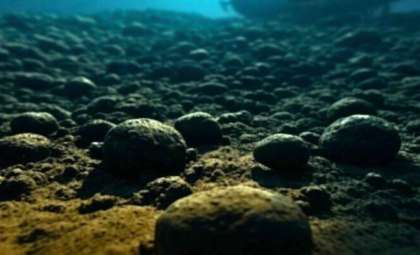
Context provided by the BGR report notes that the oxygen-rich atmosphere we enjoy today is a relatively recent development in Earth’s history. Prior to the Great Oxidation Event about 2.4 billion years ago, Earth’s atmosphere was characterized by methane dominance and iron-laden oceans, predominantly supporting anaerobic microorganisms such as cyanobacteria.
With the surge in oxygen from photosynthesis, ecosystems transformed profoundly. However, scientists now predict a reversal: oxygen will diminish, methane will rise, and Earth will revert to ancient atmospheric conditions hostile to most modern life forms.
Once photosynthesis fails due to reduced CO₂, the process becomes irreversible. The surface will gradually transform into a barren, arid desert devoid of breathable air and protection from harmful radiation. Although complex life forms like humans and animals will no longer exist, anaerobic microbes reminiscent of early Earth could continue to survive in protected niches.
Microbial Life Will Persist Beyond Complex Organisms
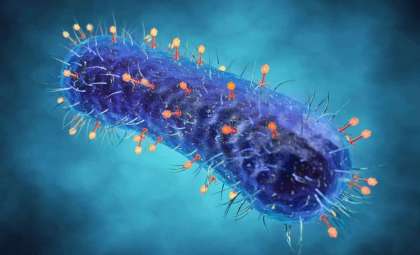
Looking deep into the future, Earth is expected to host primarily anaerobic bacteria and archaea. These oxygen-independent life forms are adapted to thrive in methane-rich environments and could endure even after all complex species vanish. Thus, Earth’s biosphere may return to a state dominated by microbial communities instead of plants and animals.
The planet itself will persist in orbit around the Sun, transformed into a hostile and lifeless world. Scientists describe this irreversible decrease in oxygen as the start of a “slow countdown of life on Earth,” marking the inevitable end of complex life once oxygen levels begin their decline.
Encouraging Reflection on Earth’s Temporary Habitability
Although this scenario is set billions of years in the future, it carries a profound message about the fragility and impermanence of Earth’s life-supporting conditions. While humans may never witness this outcome, acknowledging Earth’s finite habitability adds urgency and perspective to present-day environmental stewardship and scientific endeavors.
The study reveals that Earth's oxygen-rich atmosphere is a transient phase in the planet's vast geological timeline. The impending shift back to anoxic conditions is not just theoretical; it is expected as part of Earth's natural evolution. Rather than dramatic calamities, life will quietly disappear, "asphyxiated by a lack of oxygen," according to the authors.
- Categories:
- Science




0 comments
Sign in to Comment