
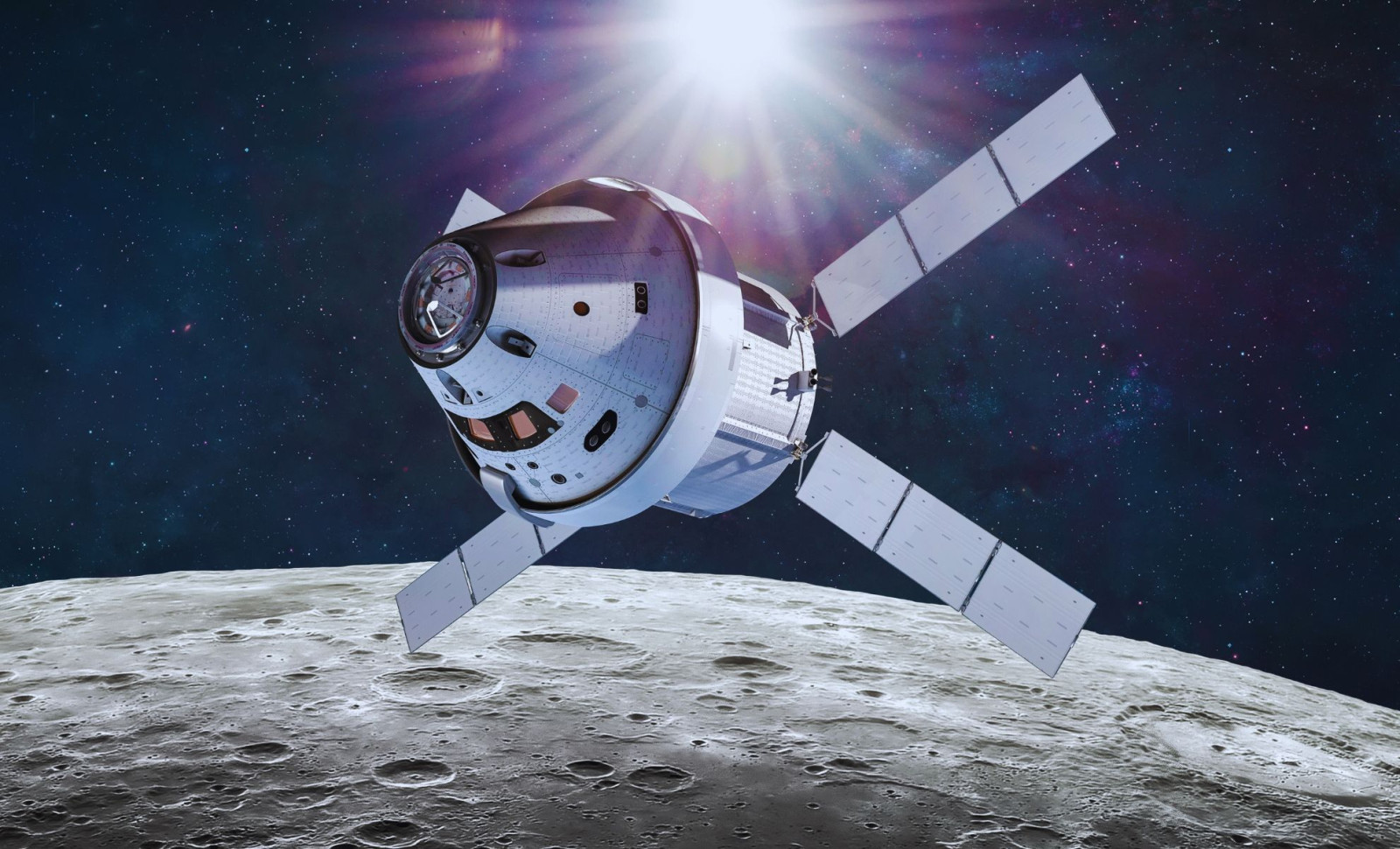
NASA is gearing up to send astronauts on a lunar orbit mission for the first time in over half a century. The agency has pinpointed March 6 as the earliest possible launch date for Artemis II, a 10-day voyage that will carry four crew members around the Moon's far side and safely back to Earth.
This mission will mark the longest human expedition into space since Apollo 17 in 1972. Officials at a recent NASA briefing announced that the launch target follows a successful full-scale practice of rocket fueling and countdown operations at the Kennedy Space Center in Florida.
Artemis II serves as a crewed test flight, setting the stage for a lunar landing planned for Artemis III. The timing coincides with intensifying efforts from China, which aims to execute its own crewed lunar touchdown by 2030.

Completion of Key Rehearsal Clears Launch Path
The early March launch opportunity was confirmed after a completed "wet dress rehearsal," a critical pre-launch procedure during which the Space Launch System (SLS) rocket was fully fueled and taken through the countdown sequences. NASA’s Lori Glaze noted that engineers successfully fueled the vehicle within the assigned timeframe and demonstrated the countdown process as planned.
The first attempt at this rehearsal, conducted earlier in February, was cut short due to a hydrogen leak at the launch pad. Glaze reported that the team has since addressed seal and filtration issues.
“Every night I look up at the Moon and I see it and I get real excited because I can feel she’s calling us and we’re ready,” she said during the briefing, reflecting the growing anticipation within the Artemis team.
Four Crew Members Embark on a 10-Day Mission Beyond Earth
The Artemis II flight team consists of three American astronauts — Reid Wiseman, Victor Glover, and Christina Koch — along with Canadian astronaut Jeremy Hansen. Following the rehearsal, the crew began a quarantine period, as detailed in a NASA announcement.
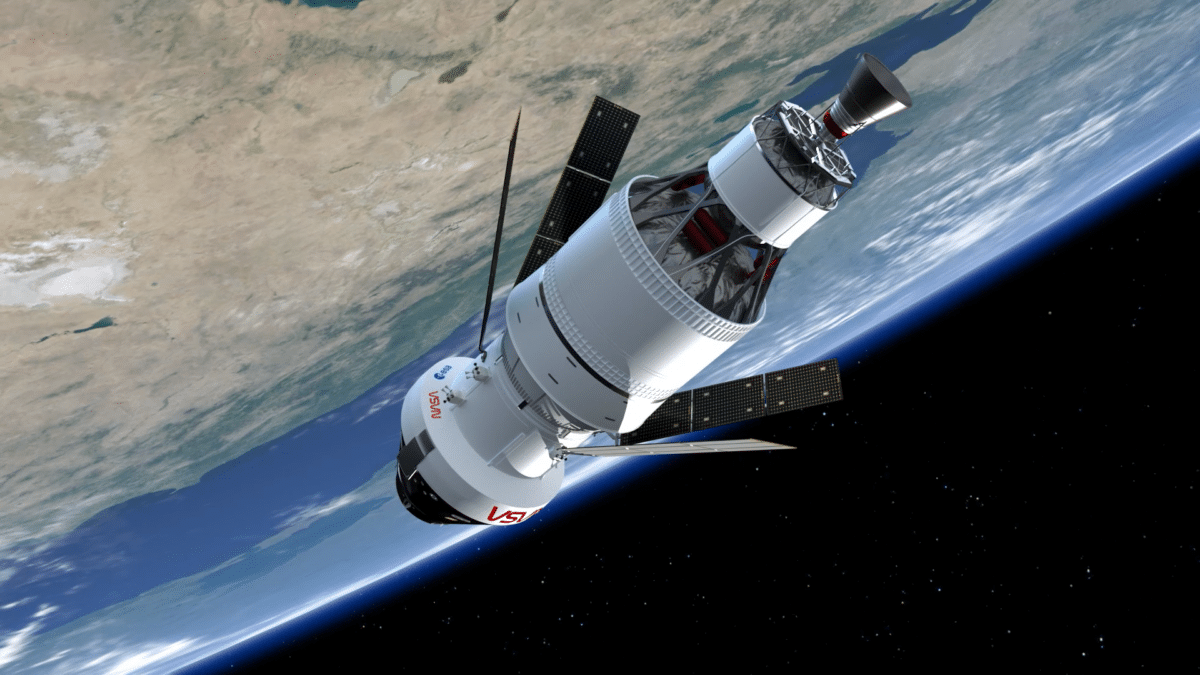
The launch vehicle is the towering 98-meter SLS rocket, which made its maiden flight in November 2022 during the uncrewed Artemis I. Crowning the rocket is the Orion capsule, a spacecraft roughly the size of a small bus that will house the astronauts for the duration of the mission.
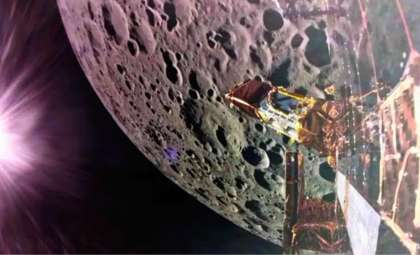
The mission’s initial day involves orbiting Earth. Provided all systems function as intended, the Orion will then embark on a four-day transit to the Moon. The crew is expected to orbit the Moon's far side at altitudes ranging from 6,500 to 9,500 kilometers, dedicating several hours to surface observations and photography before beginning the four-day return trip and splashing down in the Pacific Ocean.
Looking Ahead: Artemis III and the Lunar Exploration Race
The success of Artemis II will pave the way for Artemis III, which aims to put astronauts on the lunar surface. NASA has targeted a 2028 landing date, though it acknowledges this timeline is challenging.
SpaceX, led by Elon Musk, is developing the lunar lander that will be launched on a Starship rocket. Due to delays with Starship, NASA has called for an accelerated schedule from SpaceX to ensure timely progress.
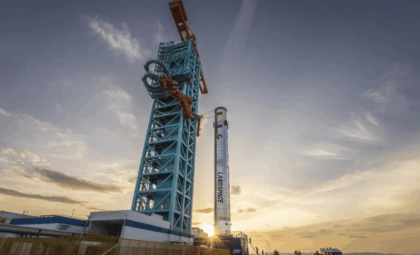
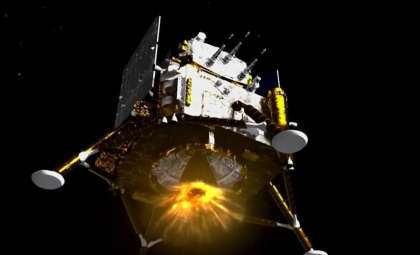
Meanwhile, China continues to advance its plans for a crewed Moon mission by 2030. Both the U.S. and China intend to explore the Moon’s south pole, vying for potential sites to establish future lunar outposts.
- Categories:
- Space








0 comments
Sign in to Comment