
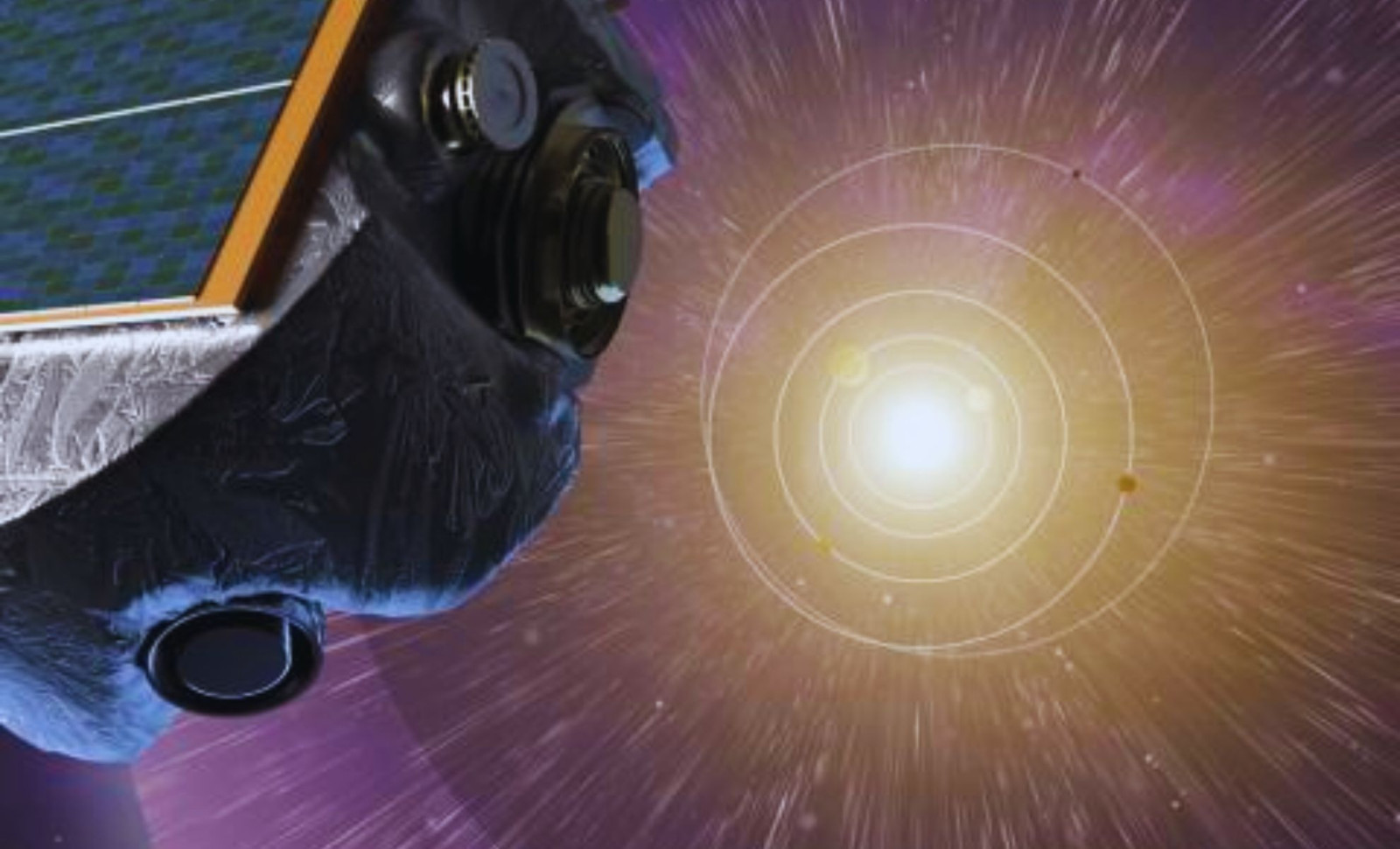
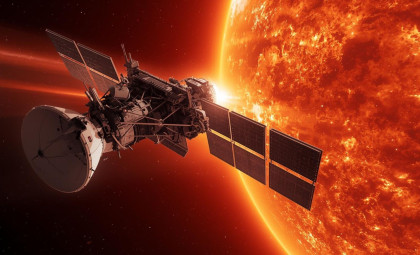
NASA's latest spacecraft, the Interstellar Mapping and Acceleration Probe (IMAP), has reached its designated vantage point to embark on a unique exploration. IMAP aims to detect elusive particles arising at the junction where our Solar System transitions into interstellar space, potentially crafting the first precise map of this critical boundary.
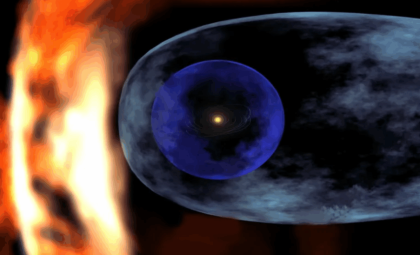
Although IMAP launched in September 2025, it has only now settled into its operational orbit near Earth. From this location, it will analyze the interactions between solar wind and external interstellar materials, shedding light on the heliosphere—the immense region dominated by solar particles. The expanse beyond the heliosphere remains largely unexplored, and IMAP is designed to transform our understanding of this frontier.
Ideal Location for Observing the Solar System’s Edge
Scientists have long struggled to pinpoint the true boundary of the Solar System, with only the aging Voyager 1 and Voyager 2 spacecraft crossing this invisible threshold. These historic probes recorded passing through the heliopause, where the solar wind decelerates and meets the interstellar medium.

Unlike Voyagers, IMAP will not venture to the solar system’s outermost boundary. Instead, it orbits the Lagrange Point 1 (L1), approximately 1.5 million kilometers sunward from Earth. This position grants persistent, stable observation of the Sun and the heliosphere’s broader structure. NASA’s statement confirms this spot’s selection to allow uninterrupted views of incoming particles from every angle.
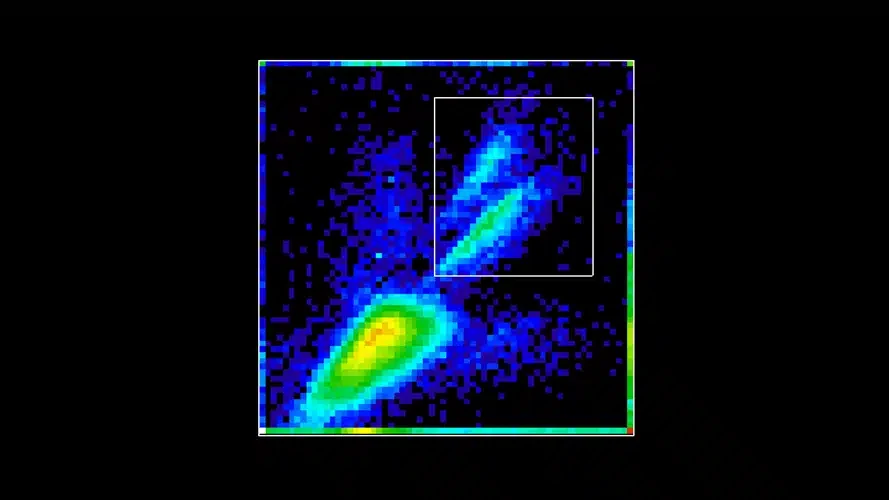
From L1, IMAP will detect energetic neutral atoms (ENAs) created when fast solar particles collide with slower interstellar particles. These ENAs retain clues about their origin, enabling scientists to trace conditions near the heliopause and beyond. IMAP’s instruments cover a 360-degree field of view, compiling full-sky imaging data over time.
IMAP’s Impressive Initial Observations
Although official science operations begin on February 1, preliminary instrument tests have already produced promising results. All ten scientific tools onboard were activated during the commissioning phase, delivering data that impressed the mission team. Principal investigator David McComas from Princeton University remarked:
“It’s just astounding that within the first couple weeks of observations, we see such clear and consistent ENA data across the factor of 10,000 in energy covered collectively by the three imagers.”
Each sensor aboard IMAP fulfills a specific role, but combined, they yield complementary measurements of neutral atoms and solar radiation. NASA reports:
“This, plus excellent first light data from all seven of the other instruments, makes for a 10 out of 10, A-plus start to the mission.”
Building on Voyager’s Legacy
To date, only Voyager 1 and Voyager 2 have exited the heliosphere and ventured into interstellar space. Their journey provided point-specific data as they crossed the boundary, offering limited insights into the heliopause’s configuration. However, neither spacecraft was designed to map this boundary comprehensively or observe its fluctuations. IMAP’s mission is to supply an all-encompassing sky view, capturing phenomena beyond Voyager’s reach.
The demarcation between the Solar System and the cosmos beyond is dynamic, shifting with solar cycles and expanding or contracting like a balloon. IMAP’s goal is to record this variability in unprecedented detail. As the most sophisticated tool stationed near Earth’s orbit, it aims to unveil the true shape and ever-changing nature of our Solar System’s frontier.
- Categories:
- Space




0 comments
Sign in to Comment