
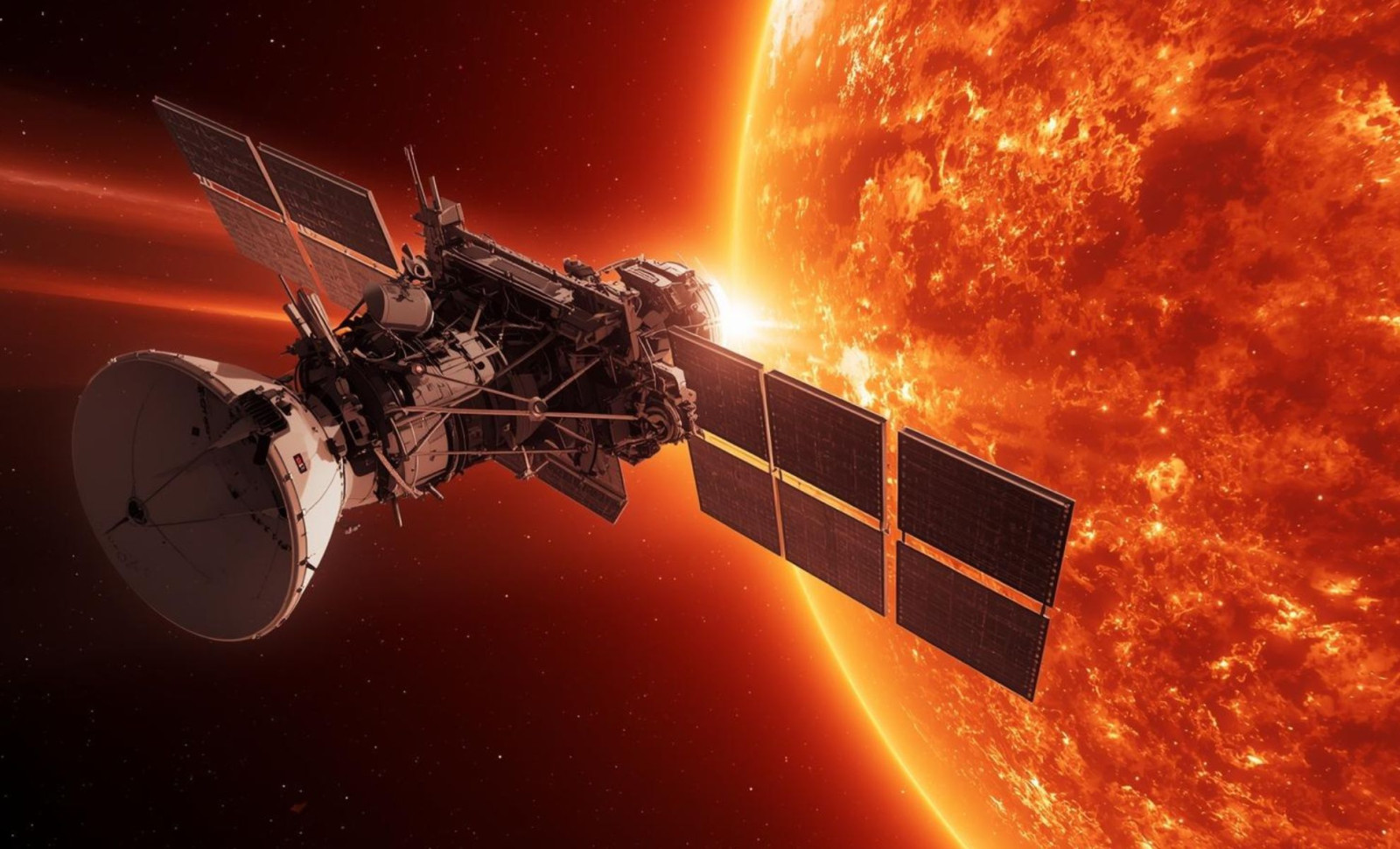
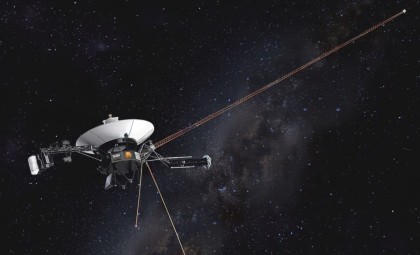
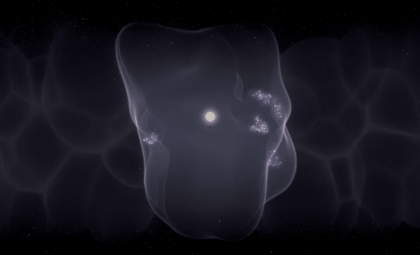
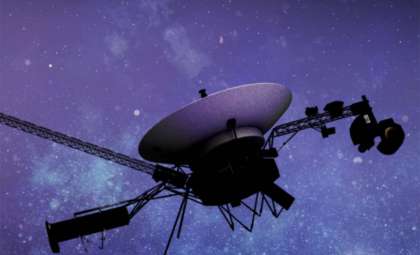
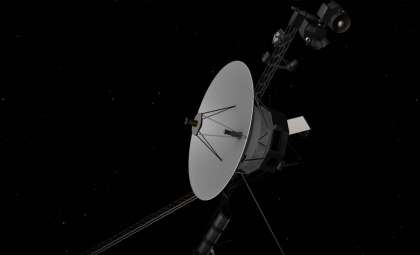
NASA’s enduring Voyager 1 and Voyager 2 missions have revealed a scorching zone at the boundary where the Sun’s influence wanes and interstellar space begins. Since their 1977 launches, the spacecraft have pinpointed this area in the outer heliosphere, where temperatures escalate dramatically to between 30,000 and 50,000 kelvin.
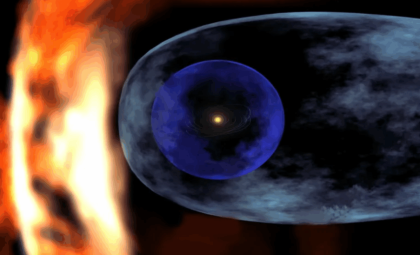
This hotspot is situated just beyond Pluto’s orbit within the heliosheath, a transitional zone where the solar wind slows down and interacts directly with the interstellar medium. Voyager data indicate that this boundary acts as a thermal barrier at the solar system’s outer edge, featuring temperatures far exceeding those inside the Sun’s magnetic domain.
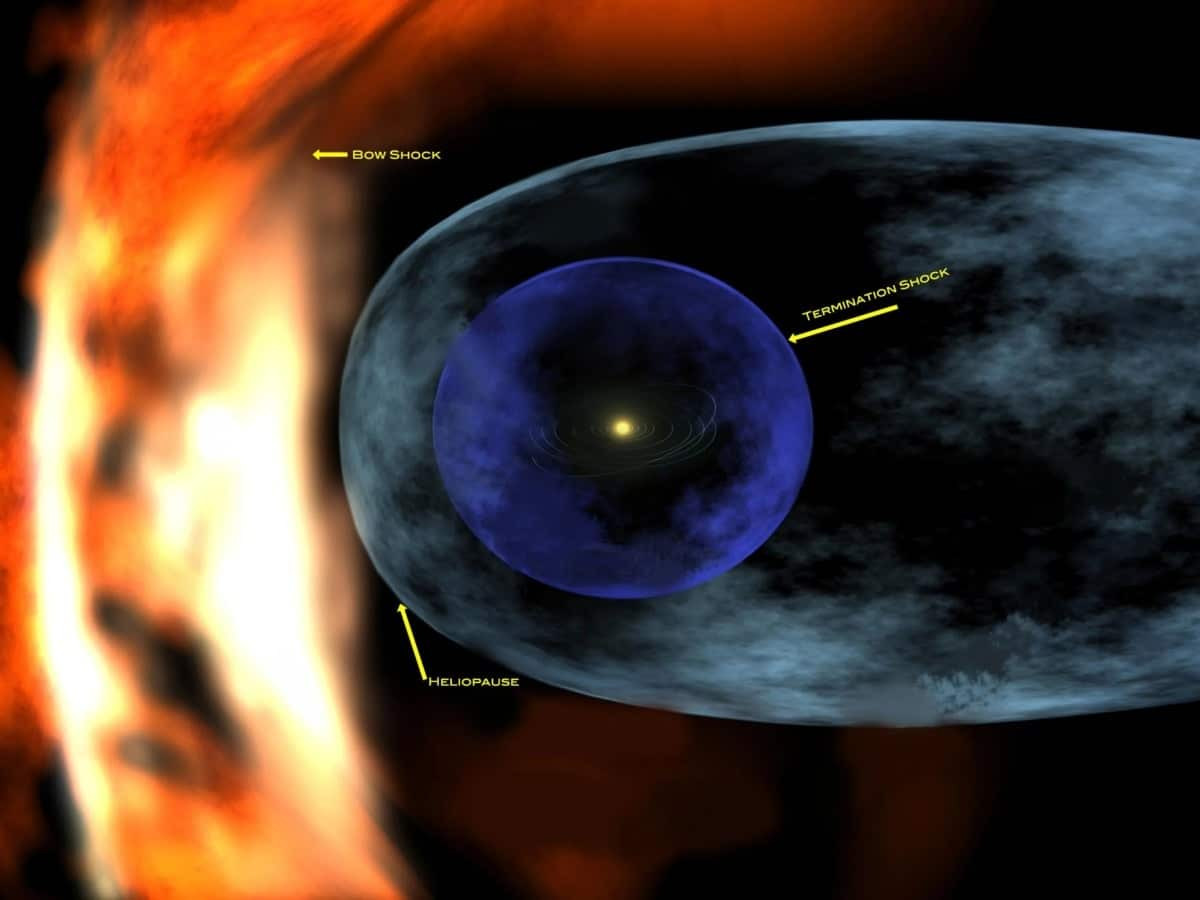
These observations challenge previous perceptions of the solar system’s boundary with the galaxy. While commonly dubbed a "wall of fire," this phenomenon represents a region of energized plasma characterized by rapid shifts in particle motion and magnetic properties, rather than a solid structure.

A Surprising Thermal Gradient in the Void
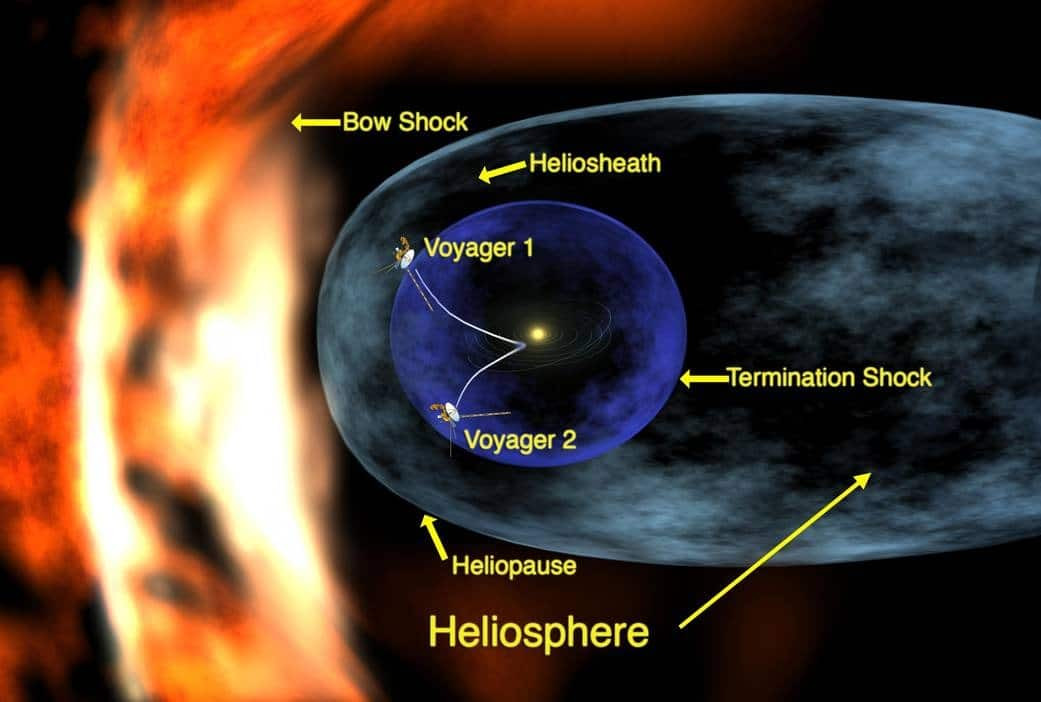
Voyager 1 crossed the heliopause on August 25, 2012, marking the first human-made object to exit the heliosphere. Voyager 2 followed suit on November 5, 2018. Upon traversing this threshold, both probes detected a sharp reduction in solar particles alongside increased levels of cosmic rays, signaling their transition into true interstellar space.
Temperature measurements also indicated a dramatic rise in plasma energy levels. Despite these extreme thermal readings, the region’s sparse particle density means heat transfer is inefficient, allowing the spacecraft to safely navigate this environment.
A NASA briefing clarifies that the intense energy levels detected pose no threat to the spacecraft owing to the near-vacuum plasma conditions. The apparent heat arises from rapidly moving plasma particles rather than dense molecular collisions.
The heliopause defines the equilibrium where outward solar wind pressure balances inward interstellar medium pressure. The region immediately beyond this boundary, featuring the steep temperature increase, lies in the domain NASA categorizes as interstellar space.
Magnetic Surprises and Particle Escape
Besides temperature anomalies, Voyager instruments uncovered unexpected magnetic field alignments. Magnetic lines within the heliosphere closely matched those just beyond it, a discovery first made by Voyager 1 and corroborated by Voyager 2. This alignment contradicts earlier theories predicting a marked change in magnetic direction across the boundary.
A 2019 NASA Jet Propulsion Laboratory study also revealed that Voyager 2 detected a partial particle leakage through the heliopause. While the heliosphere acts as a shield versus galactic cosmic rays, its border is somewhat permeable. Voyager 2’s crossing at a different sector than Voyager 1 demonstrated that this flank allows more cosmic particles to pass through.
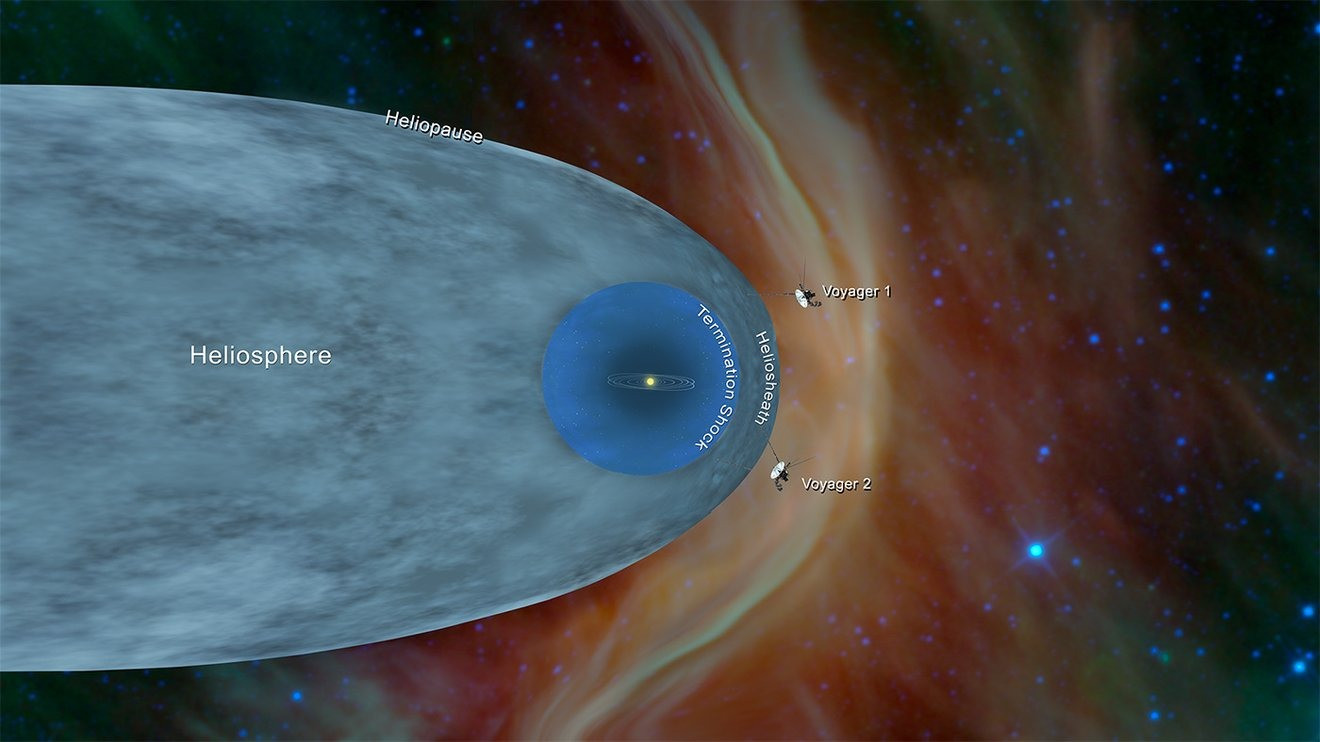
Both spacecraft noticed elevated plasma densities surrounding the boundary, implying compression on either side of the heliopause. These denser-than-expected plasma levels suggest the influence of interstellar pressure on heliosphere shaping is more significant than earlier models proposed.
Charting the Outer Frontier of Our Solar System
The heliosphere is sculpted by the solar wind—a continuous stream of charged particles flowing outward from the Sun. This stream extends well beyond planetary orbits before slowing down due to interactions with the interstellar medium. The termination shock marks where the solar wind abruptly decelerates, leading into the turbulent heliosheath, which precedes the heliopause.
NASA designates the heliopause as the definitive limit separating solar and interstellar space. Its position fluctuates with the Sun’s approximately 11-year activity cycle, explaining the differences in distance where Voyager 1 and Voyager 2 encountered this boundary, roughly 121 AU and 119 AU respectively.
The space beyond the heliopause contains cooler, denser plasma originating from ancient supernova events. Changes in particle composition and temperature detected by both Voyagers confirm they have ventured beyond the Sun’s protective bubble.
NASA’s heliophysics program continues to leverage Voyager data to improve understanding of solar magnetic and particle field behavior on a galactic scale. Complementary missions like the Interstellar Boundary Explorer (IBEX) and MAVEN further enrich this research.
- Categories:
- Space

0 comments
Sign in to Comment