
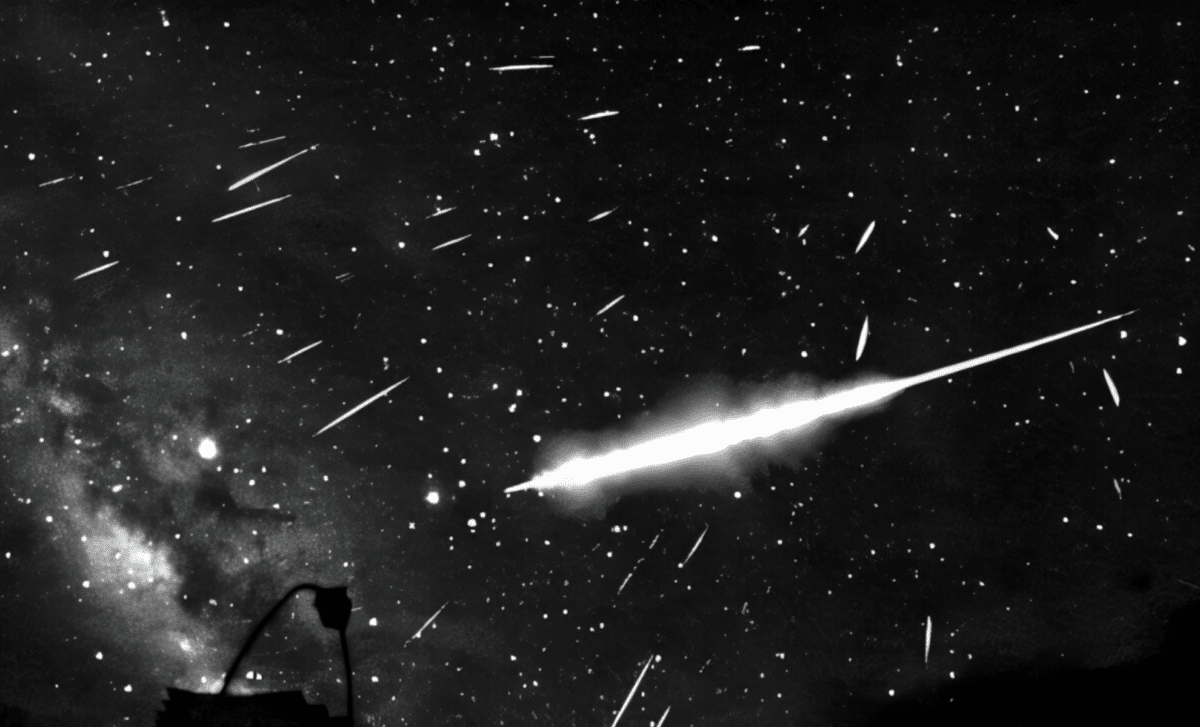
Researchers have identified a previously unknown asteroid that is on the verge of disintegrating. This elusive object, following a highly eccentric orbit, is losing dust and fragments that have given rise to a newly recognized meteor stream. This finding sheds light on the fragile nature of some asteroids subjected to intense solar radiation and improves our understanding of how such bodies behave near the sun. Led by experts in planetary science, this breakthrough has implications for both space research and planetary defense strategies.
Uncovering the Asteroid’s Demise
For many years, astronomers have monitored various asteroids and comets orbiting in our solar system through telescopes. These celestial bodies contribute to the complex cosmic environment around us. The recent discovery of a meteor shower linked to 282 specific meteors unveils a story of an asteroid nearing its final stages of fragmentation. This asteroid follows an orbit that brings it extremely close to the sun—about five times nearer than Earth—subjecting it to intense solar heat.
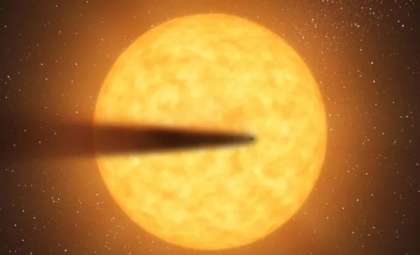
As this asteroid approaches the sun, its surface endures extreme temperatures, causing it to fracture and emit dust, gas, and larger debris. These fragments trail along its orbit and produce meteor showers when they enter Earth’s atmosphere. Scientists propose that the asteroid’s close encounters with the sun play a critical role in its gradual breakup, explaining the presence of the meteor stream seen on Earth.

Investigating Space Debris Through Meteor Monitoring
Published in March 2026 within the Astrophysical Journal, this research utilizes data from all-sky camera arrays spread across Canada, Japan, California, and Europe. These extensive observations allowed scientists to pinpoint the asteroid previously undetected by regular telescopic surveys. By analyzing patterns in meteor activity collected worldwide, researchers identified a cluster signaling the asteroid’s ongoing disintegration. Such discoveries are made possible thanks to advanced global camera networks capturing meteor events night after night.
Dr. Patrick Shober, who led the investigation, emphasized that studying meteor streams offers a rare glimpse at asteroids and comets that are typically too faint or distant for telescopes to detect directly.
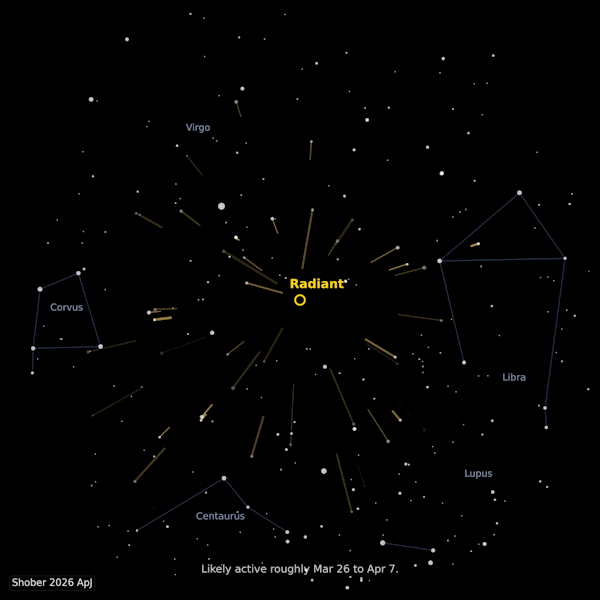
What Meteor Showers Reveal About Asteroids
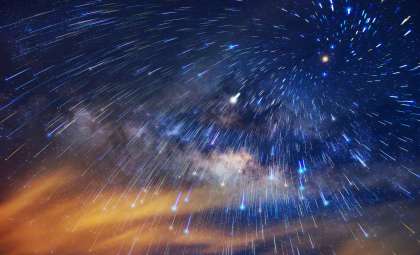
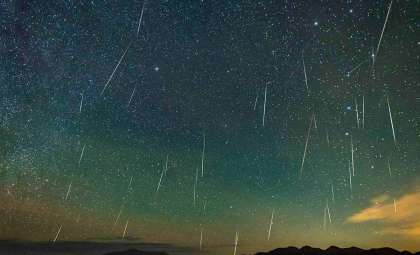
Meteor showers offer more than stunning celestial displays; they provide essential insights into the sources generating them. These events occur as Earth passes through trails of debris left behind by asteroids and comets. When such bodies near the sun, they emit dust, gas, and chunks of material, which travel along their orbital paths. Over time, this debris disperses, but when intersected by Earth, it produces the bright streaks visible in our atmosphere.
A well-known example is 3200 Phaethon, an asteroid linked to the Geminid meteor shower. Phaethon behaves similarly by releasing dust and fragments as it approaches the sun, resulting in a meteor stream observed annually. This new finding indicates that other small asteroids, previously undetected by telescopes, may also contribute to meteor streams through similar processes.
NASA’s NEO Surveyor Mission and Future Insights
Although the exact location of the parent asteroid responsible for this fresh meteor stream remains unknown, NASA’s upcoming NEO Surveyor mission, planned for launch in 2027, holds great promise. This infrared space telescope will focus on discovering near-Earth objects—including asteroids and comets—that might threaten our planet. Unlike traditional telescopes, NEO Surveyor can detect faint objects near the sun, giving scientists a better vantage point to study sun-approaching asteroids in detail.
This mission could help scientists track down the source asteroid generating the meteor shower and improve understanding of its evolving behavior.
- Categories:
- News






0 comments
Sign in to Comment