
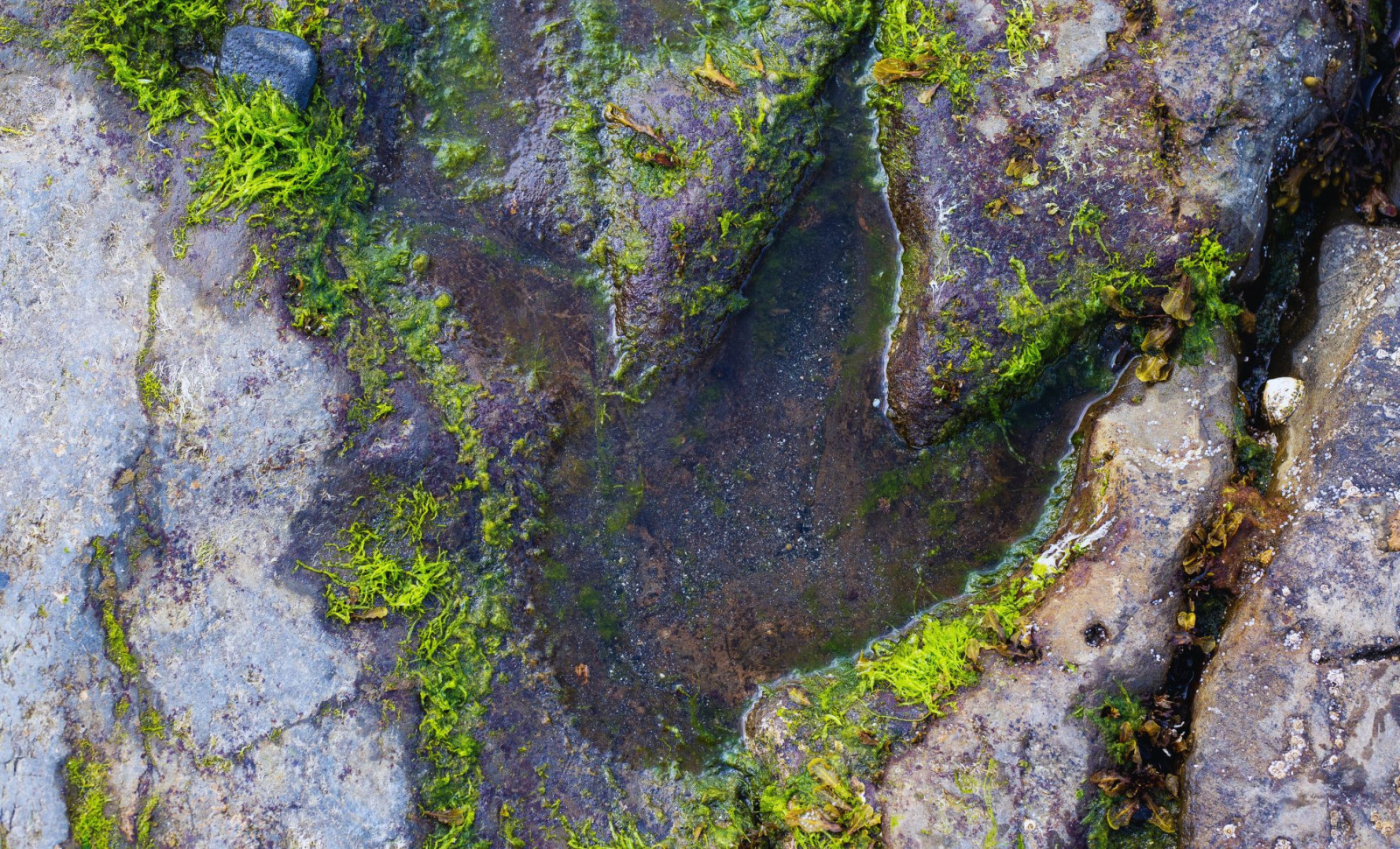
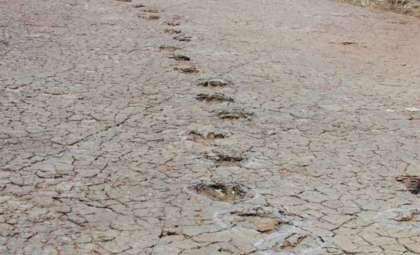
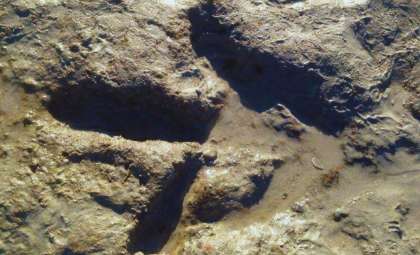
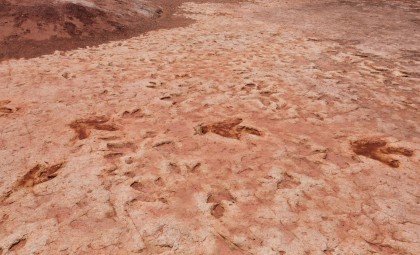
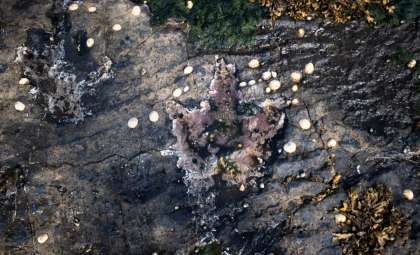
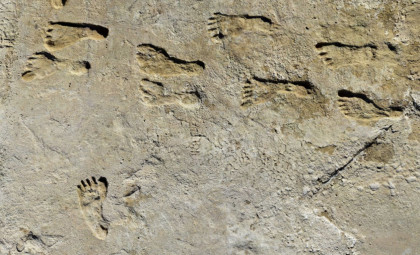
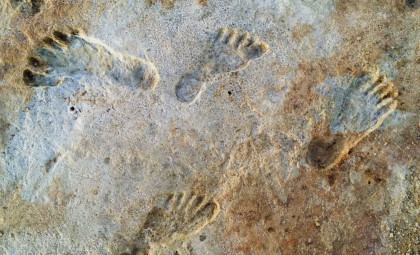
Researchers have developed an advanced artificial intelligence system that can interpret dinosaur footprints using only images, uncovering details easily overlooked until now. For years, fossilized dinosaur tracks have offered tantalizing glimpses into prehistoric behavior, revealing how these ancient creatures moved and interacted, though pinpointing the exact species responsible has often been challenging.
The main issue lies in the condition of these traces—erosion, sediment shifts, and partial fossilization often distort footprints, complicating their precise identification even for experts, and sparking debates among scientists.
A Smartphone App Democratizes Footprint Identification
The centerpiece of this breakthrough is DinoTracker, a mobile app that enables users to upload images or drawings of dinosaur tracks. In moments, the AI analyzes the input and proposes the likely dinosaur genus behind the print.

As detailed in a recent study published in Proceedings of the National Academy of Sciences, this tool serves both scientific experts and casual enthusiasts, broadening access to fossil identification. This contrasts with traditional methods, which relied heavily on specialist interpretation and limited comparative data.
Footprints are invaluable records in paleontology, preserving evidence of locomotion, stance, and behavior. However, their interpretation has long been a source of contention among researchers examining the same specimens.
AI-Enhanced Fossil Interpretation
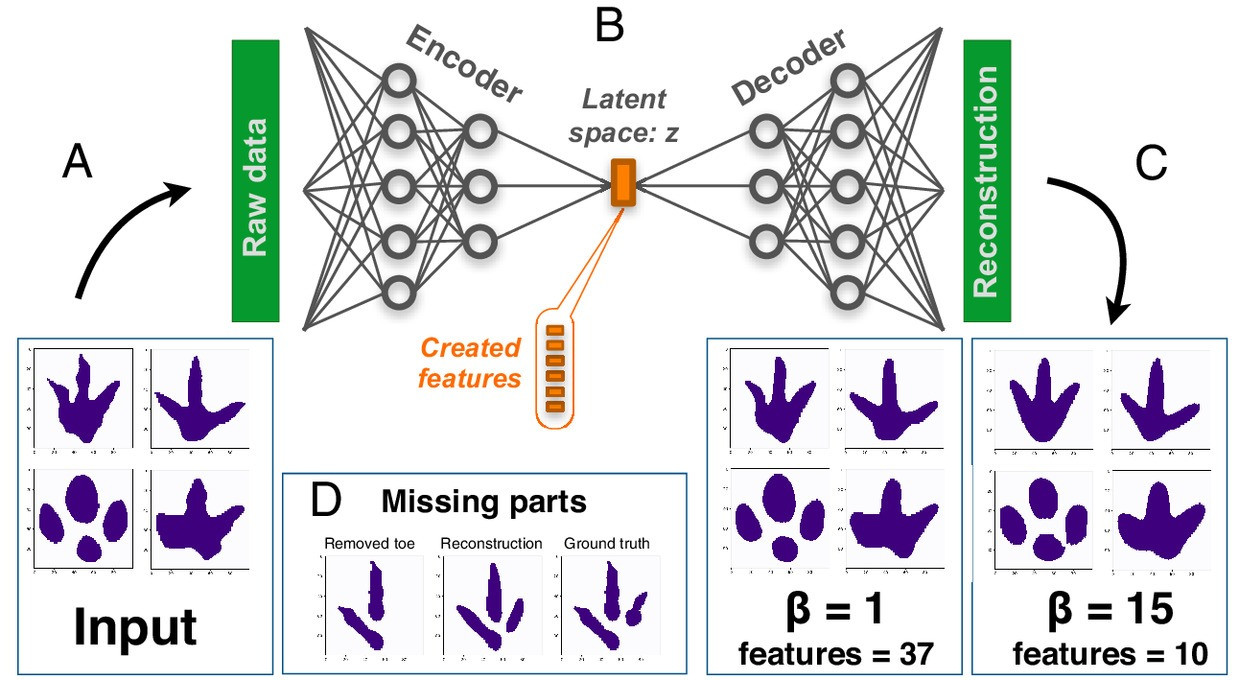
To tackle identification obstacles, experts from Helmholtz-Zentrum in Berlin joined forces with the University of Edinburgh to build an AI model that learns to recognize footprint variability through extensive datasets rather than fixed categories.
This model was trained on close to 2,000 authentic fossil footprints supplemented by millions of digitally simulated samples. These simulations mimicked natural distortions like compression or edge displacement, enabling the AI to discern reliable traits despite imperfections.
The system examines eight critical features including toe spread, heel placement, and the distribution of weight across the foot. By matching these traits with known examples, it estimates the probable dinosaur trackmaker.
Revealing New Links Between Dinosaurs and Birds
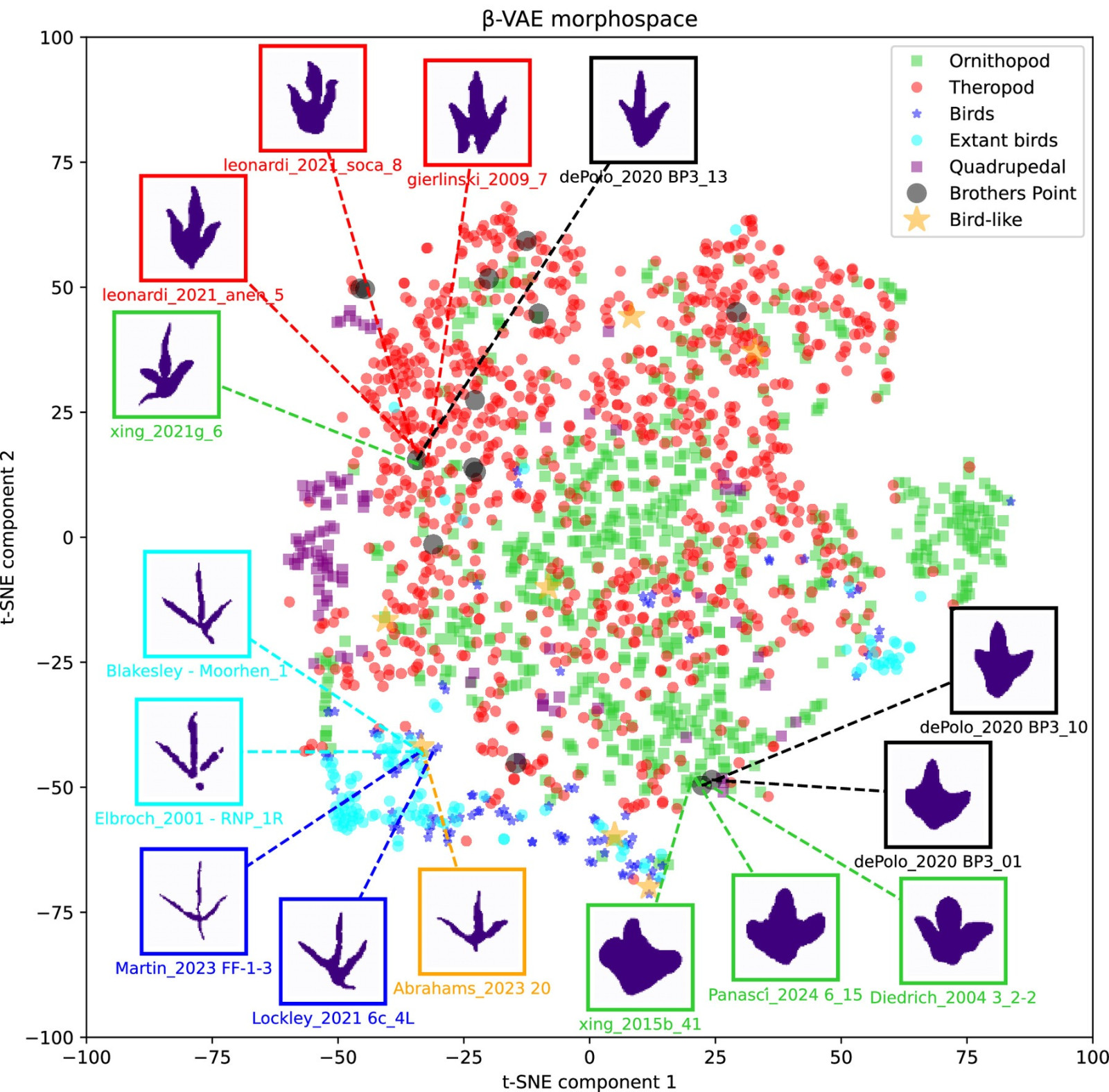
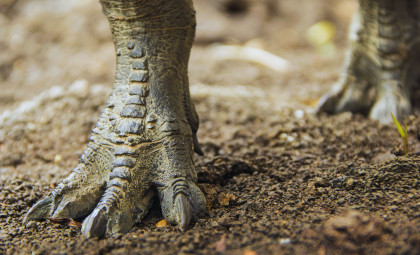
The AI demonstrated about a 90% match rate with expert identifications, including in complex or contested scenarios, highlighting its potential as a valuable research aid. Notably, the AI detected resemblances between certain footprints aged over 200 million years and those of both extinct birds and modern avians.
The research team suggests these findings might mean that birds or bird-like dinosaurs emerged millions of years earlier than previously thought. Alternatively, some early dinosaurs might have independently evolved feet resembling birds.
Another notable application of the system reinterpreted footprints found on the Isle of Skye in Scotland, dated to around 170 million years ago. These tracks, long mysterious, are now proposed to belong to ancient relatives of duck-billed dinosaurs, ranking among the oldest of their kind. As highlighted by Professor Steve Brusatte, this approach could transform how paleontologists explore subtle fossil evidence.
“It opens up exciting new possibilities for understanding how these incredible animals lived and moved, and when major groups like birds first evolved. This computer network might have identified the world’s oldest birds, which I think is a fantastic and fruitful use for AI.”
- Categories:
- Science




0 comments
Sign in to Comment