
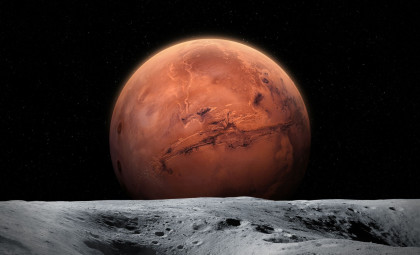
A remarkable meteorite discovered in Morocco has demonstrated an extraordinarily high water content. Dated to be 2.1 billion years old, this specimen carries water quantities roughly ten times greater than any previously examined Martian meteorite and may represent the first confirmed sample originating from Mars' crust.
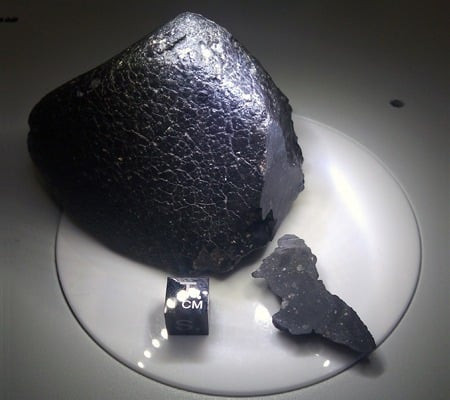
The journey began when meteorite enthusiast Jay Piatek acquired a small piece weighing under a pound. Subsequent analysis by researchers at the University of New Mexico revealed that its chemical signature differed significantly from known Martian meteorite types.
This unexpected difference prompted scientists to cross-reference the sample's properties with data collected by Curiosity and other robotic missions. The comparison indicated a previously undocumented origin: the Martian crust rather than the mantle, which has been the source of earlier meteorite finds.

Rover Data Supports Crustal Provenance
This finding marks a significant development in planetary research. As detailed in a NASA briefing, most Martian meteorites studied thus far have their roots deep within the planet's interior.
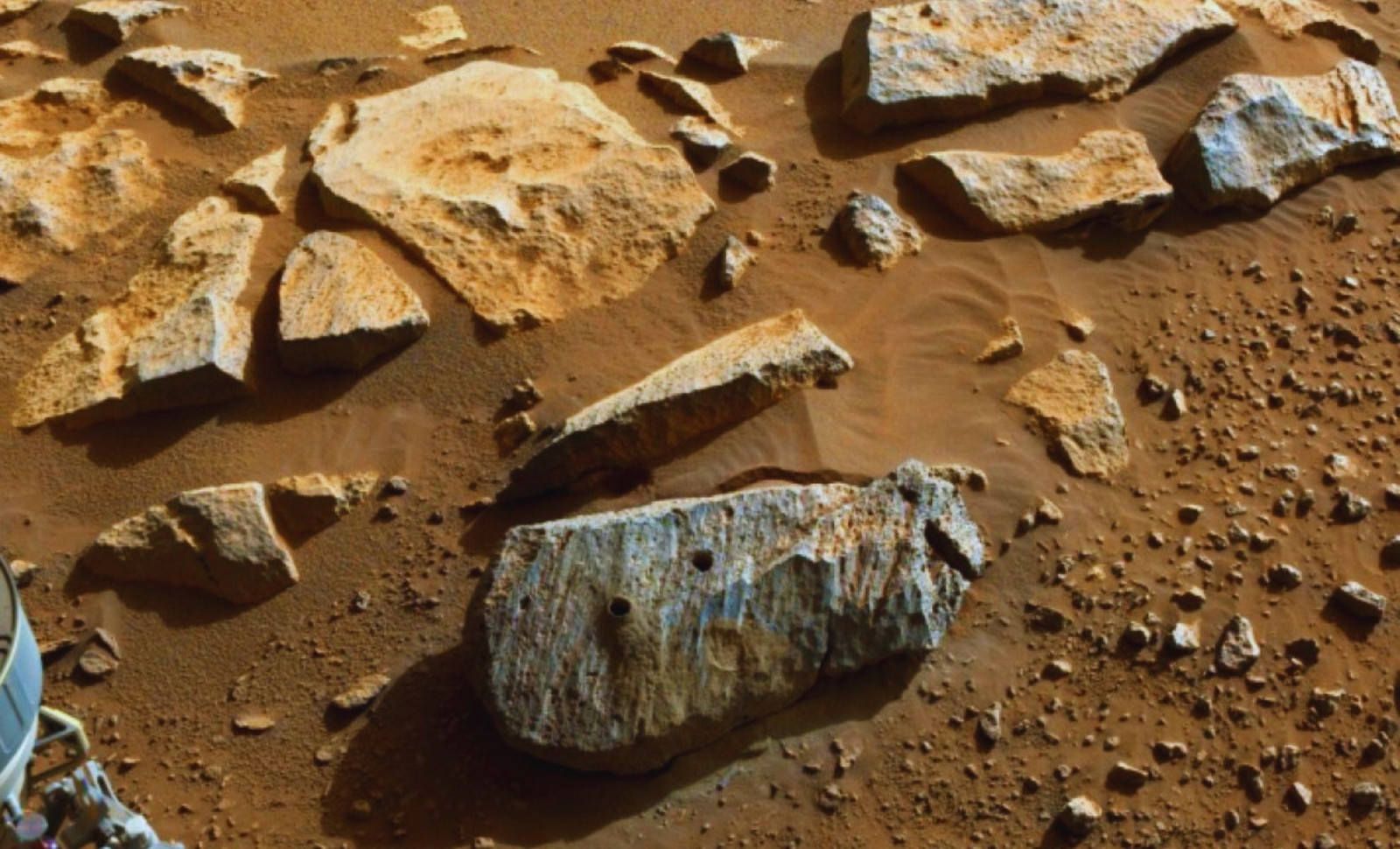
In contrast, this particular rock's composition closely mirrors on-site measurements from Martian rovers. Analyses comparing it with data from the Curiosity rover revealed it is made of crustal material rather than originating from mantle-derived magma.
“The contents of this meteorite may challenge many long held notions about Martian geology,” said John Grunsfeld, who served as associate administrator for NASA’s Science Mission Directorate in Washington. “These findings also present an important reference frame for the Curiosity rover as it searches for reduced organics in the minerals exposed in the bedrock of Gale Crater.”
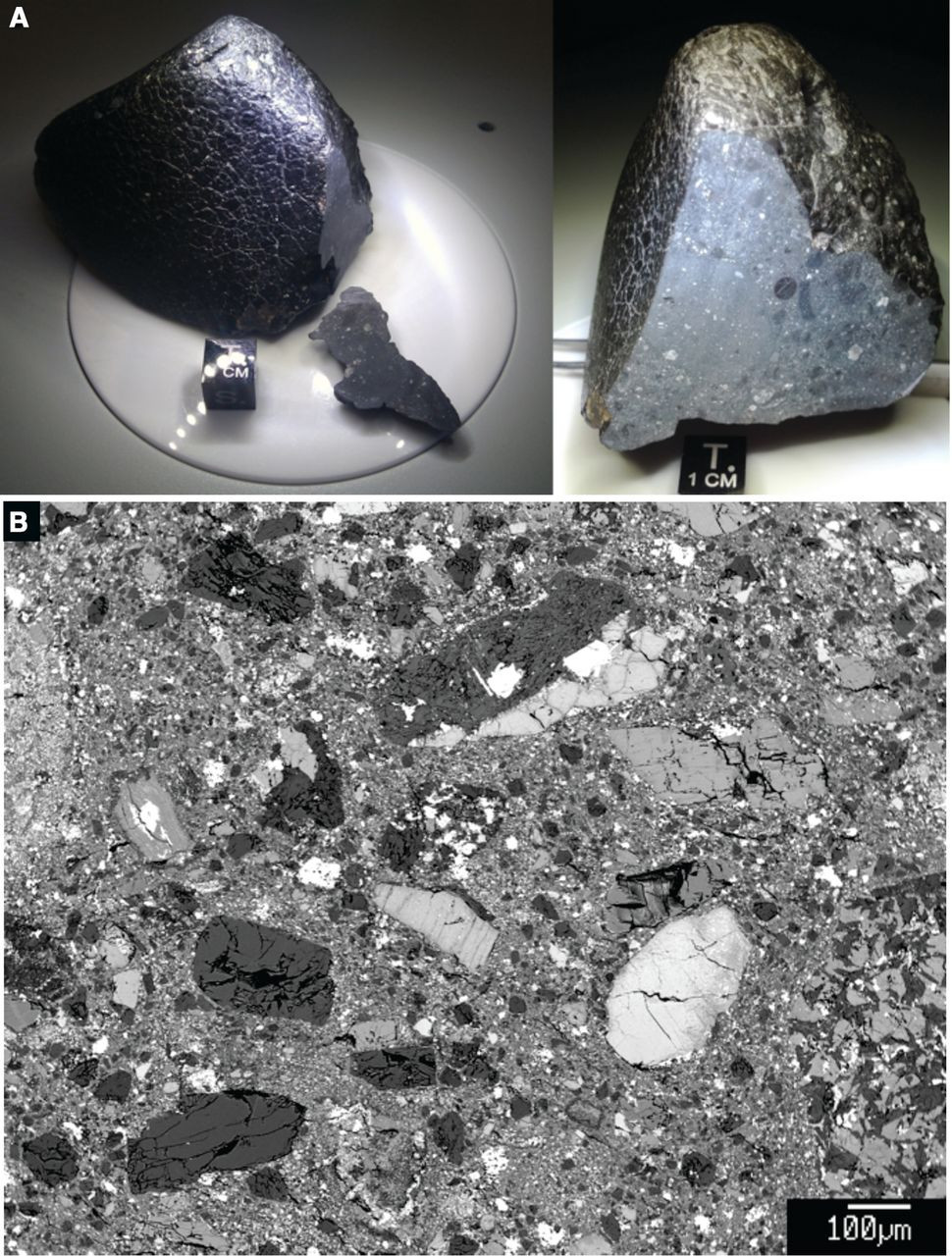
Comprised of basaltic breccia, the meteorite is a combination of volcanic rock fragments fused together. This texture implies rapid lava solidification near the surface, a signature process of crustal dynamics. While similar formations exist on the Moon, such material has not previously been verified from Mars.
Unprecedented Water Measurement Found
What makes this fragment, called (NWA) 7034, exceptional is its water concentration. Research published in Science discovered water levels reaching about 6,000 parts per million, drastically surpassing previously recorded values in Martian meteorites.
“Though the fist-sized rock is relatively dry by earthly standards, it contains between 10 and 30 times the average concentration of water found in other known martian meteorites, and it is the first to closely match certain aspects of the martian crust,” stated a ScienceShot report.
This water is chemically embedded within the mineral lattice, suggesting ancient interactions between rock formations and water-rich environments. According to Andrew Steele from the Carnegie Institution:
“The high water content could mean there was an interaction of the rocks with surface water either from volcanic magma, or from fluids from impacting comets during that time.” Earlier meteorite studies had suggested the presence of water on Mars, though never at this scale.
A Window into Mars’ Amazonian Era
Scientists date the meteorite’s formation to approximately 2.1 billion years ago, situating it within the Amazonian epoch, a timeframe for which physical samples are notably rare. This lack of material has limited direct knowledge of Mars’ more recent geological history, which this find helps to address.
Its volcanic makeup combined with a rich water signature hints at more intricate interactions between Mars’ geological and hydrological systems during that period than previously understood. Steele described the sample as:
“the richest Martian meteorite geochemically.” He added that: “Further analyses are bound to unleash more surprises.”
Ongoing examinations of this rock are expected to yield deeper insights, making it one of the most comprehensive records to date of Mars’ crust and its ancient water history.
- Categories:
- Science


0 comments
Sign in to Comment