
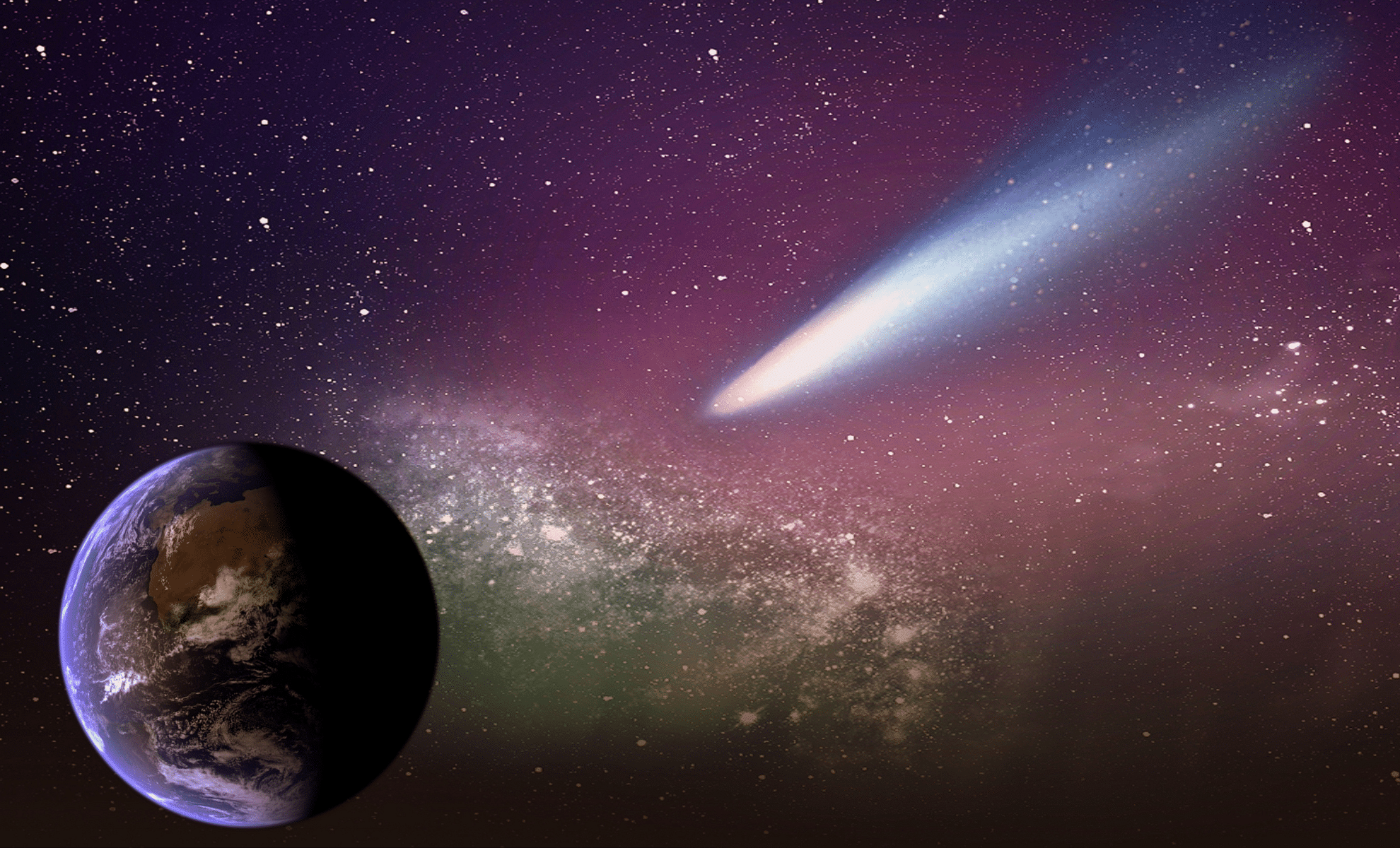
The close of the Pleistocene epoch, specifically at the onset of the Younger Dryas (YD) about 12,800 years ago, saw a swift disappearance of many giant North American animals and the decline of the Clovis culture. Although hypotheses such as overhunting and climatic shifts have been suggested, recent findings in a PLOS ONE publication provide strong evidence that a comet impact or explosion played a major role in these abrupt transformations.
The Hypothesis of a Celestial Airburst
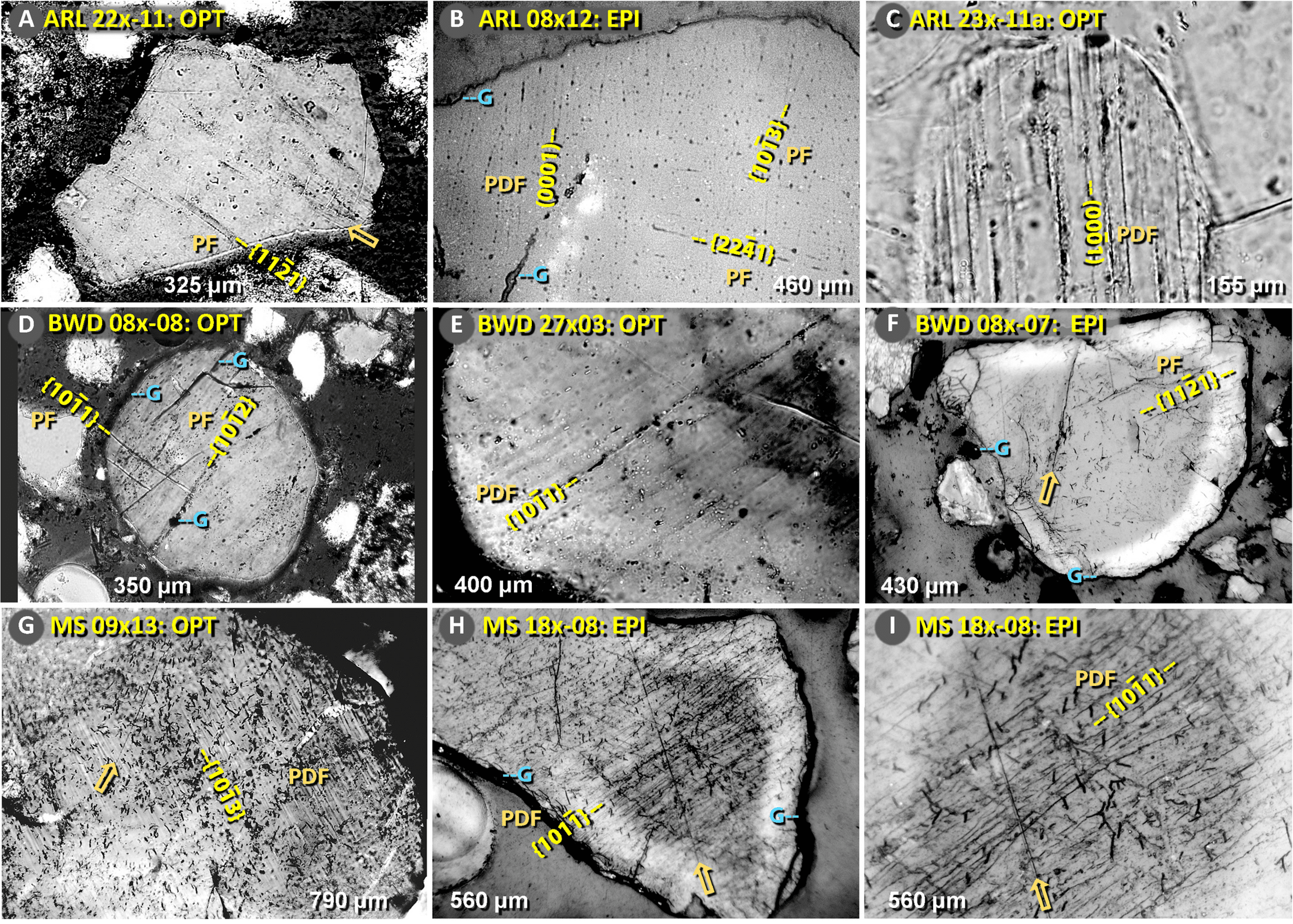
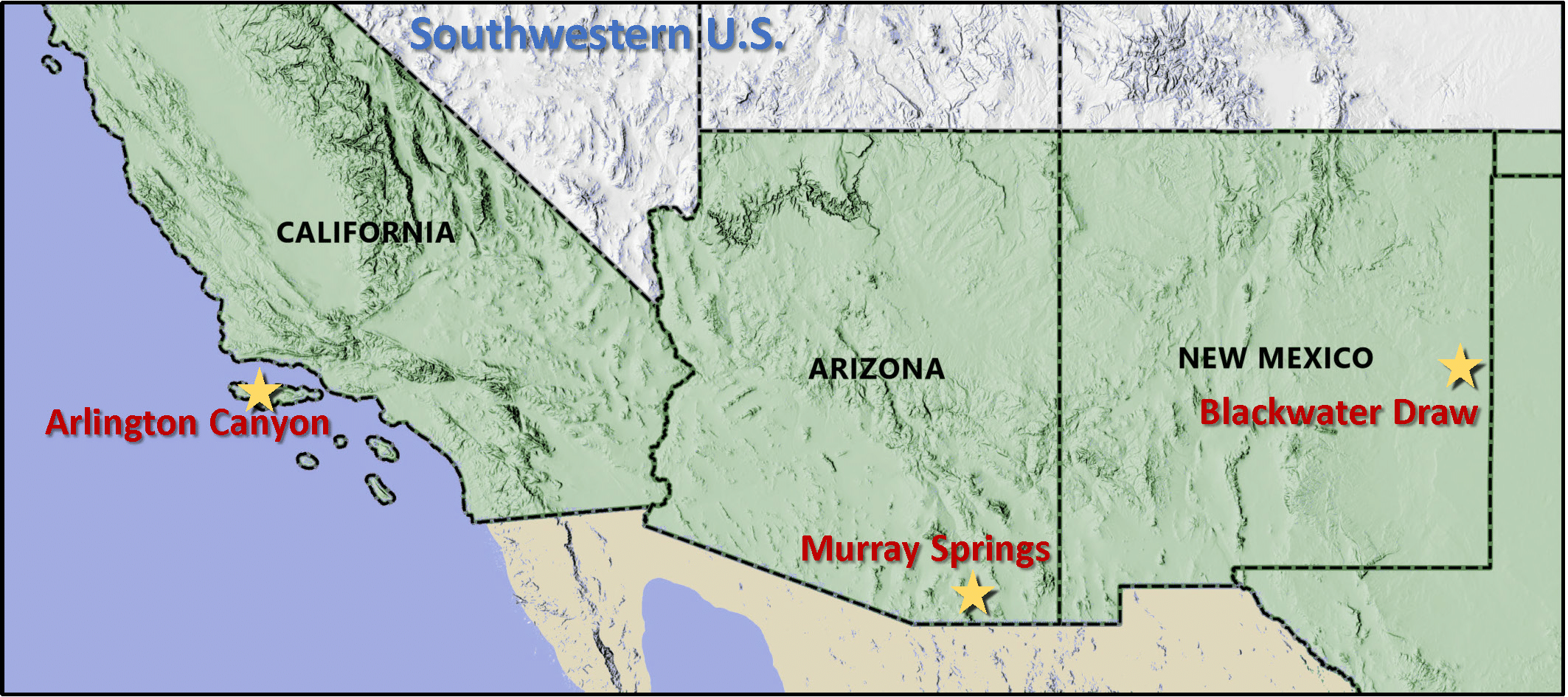
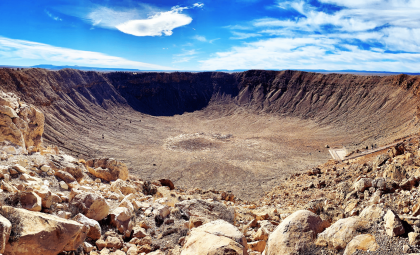
The Younger Dryas Impact Hypothesis (YDIH) proposes that around 12,800 years ago, Earth passed through debris from a large comet, potentially over 100 kilometers wide. This event is thought to have caused catastrophic shifts in climate through powerful airbursts or impacts on Earth’s surface. Such atmospheric detonations at low altitudes would produce intense heat and shock pressures, accounting for the formation of shocked quartz—a mineral form generated only under these extreme conditions. The identification of these quartz particles at key locations like Murray Springs, Blackwater Draw, and Arlington Canyon lends strong support to the theory that cosmic impacts heavily influenced the rapid environmental changes and extinctions seen at this time.
The YDIH further links this cosmic event to an “impact winter,” a lengthy period of global cooling caused by dust and aerosols released into the atmosphere, which blocked sunlight. Coupled with widespread fires ignited by shockwaves from the impact, these disturbances drastically transformed North America’s ecosystems. The study notes, “These sites are among the best-documented in North America, each providing crucial evidence of an interrelationship between the collapse of the Clovis technocomplex and the extinction of the megafauna.”

Shocked Quartz: A Crucial Marker
Shocked quartz particles serve as vital proof of a cosmic explosion or collision. Displaying distinctive glass-filled breaks and lamellae structures, these grains are formed only under intense heat and pressure conditions typical of asteroid impacts or nuclear blasts. The research team utilized advanced electron microscopy and energy dispersive spectroscopy methods to detect these particles at several important archaeological sites in the Southwestern United States.
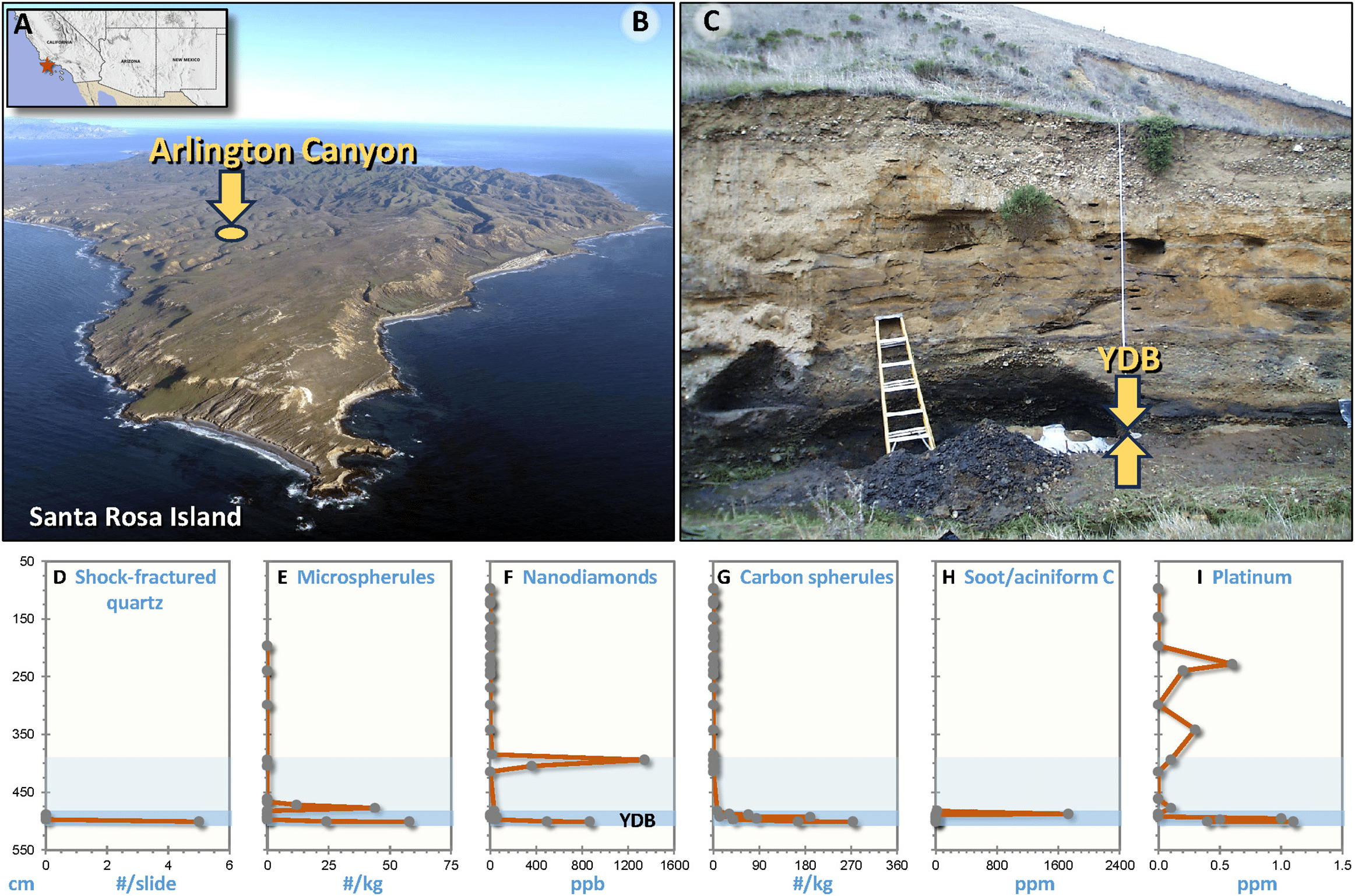
At areas including Blackwater Draw and Murray Springs, shocked quartz was discovered within strata identified as the Younger Dryas Boundary (YDB) layer, which also contains other impact indicators such as microspherules, platinum, and soot. This strongly supports the scenario that a comet airburst impacted Earth precisely at the start of the YD. The researchers conclude, “The presence of airburst/impact-related materials at these key locations strengthens the temporal and spatial link between the proposed cosmic event and major ecological and cultural changes.”
Mass Extinctions and the Clovis Culture’s Decline
A defining outcome of the Younger Dryas event was the abrupt extinction of more than 70% of North America’s large prehistoric animals, including mammoths, mastodons, and saber-toothed cats. The timing of these extinctions aligns closely with the YD’s onset, a mystery that has challenged researchers for decades. While earlier hypotheses have focused on climate shifts or human hunting, the new cosmic impact evidence offers a fresh perspective. According to YDIH, the environmental fallout from a comet-induced event—triggering severe cooling, widespread fires, and habitat disturbance—rapidly rendered these giant species unable to sustain themselves.
Similarly puzzling is the swift disappearance of the Clovis culture, famed for its unique stone tools and extensive presence across North America. This Paleoindian culture vanished around the same period as the megafaunal losses. The PLOS ONE study emphasizes this linkage, stating, “The presence of airburst/impact-related materials at these key locations strengthens the temporal and spatial link between the proposed cosmic event and major ecological and cultural changes.” The Clovis technocomplex, once widespread and influential, abruptly declined as human groups either perished or reorganized in reaction to the dramatically changed environments.
- Categories:
- News









0 comments
Sign in to Comment