
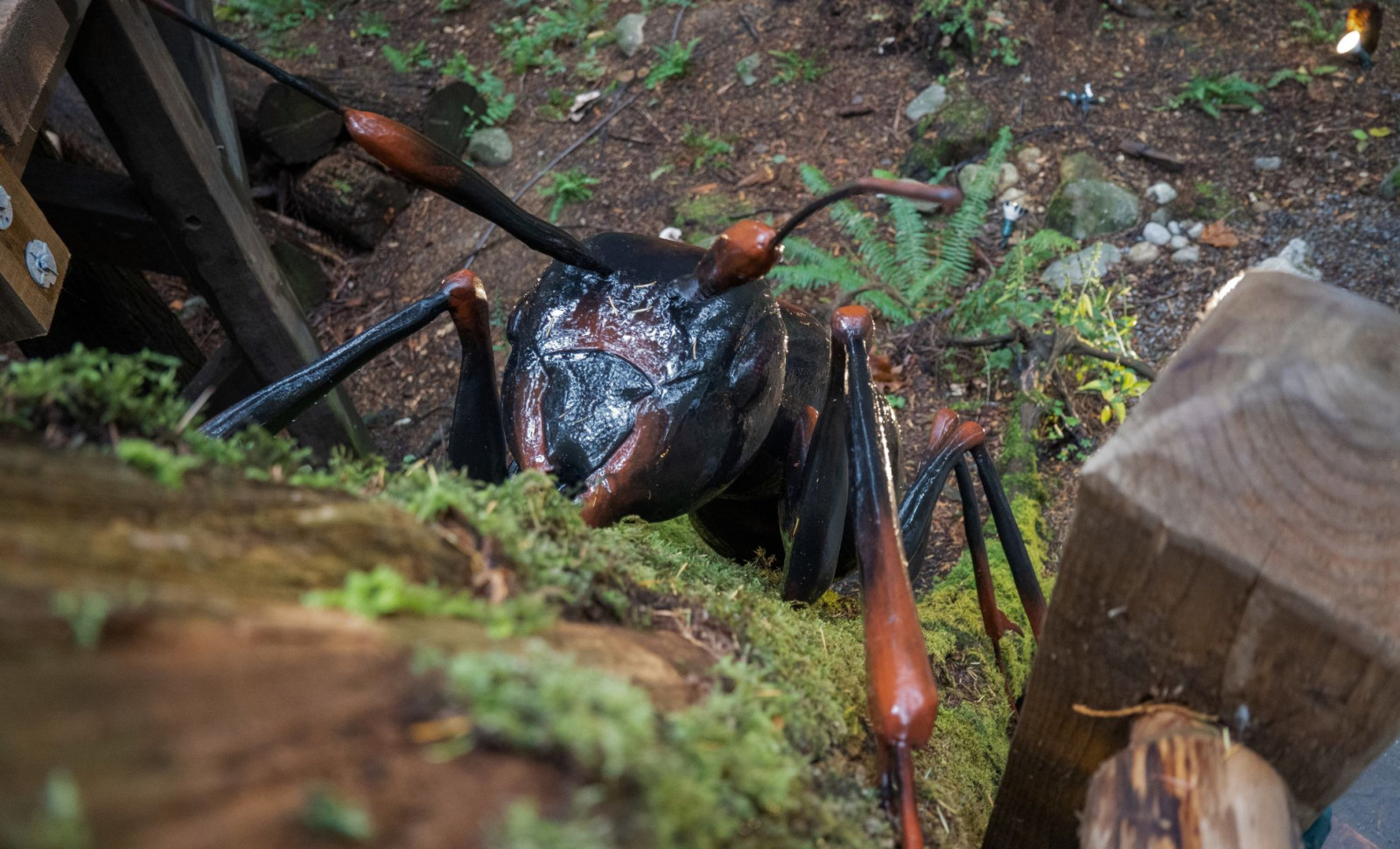
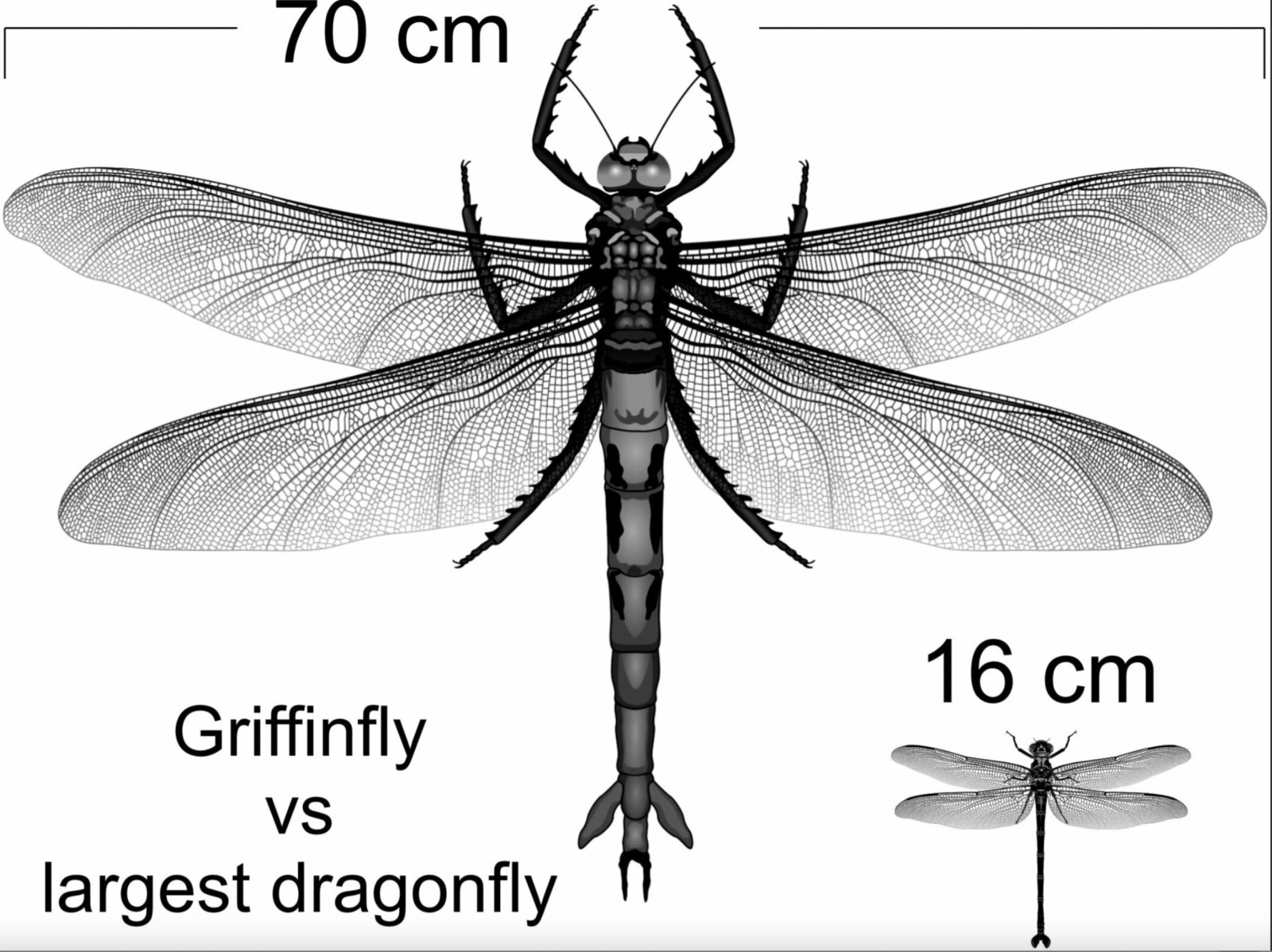
For many years, large prehistoric insects were believed to be evidence that Earth's atmosphere once contained high oxygen levels necessary to sustain such enormous life forms. However, a recent study published in Nature disputes this long-held assumption. The research reexamines a foundational theory in paleontology and evolutionary science, suggesting that factors other than atmospheric oxygen might explain why giant insects once soared through ancient skies.
Approximately 300 million years ago, the planet was vastly different. The landmasses were combined into the supercontinent Pangaea, and expansive coal swamp forests blanketed the equator. This habitat nurtured a diverse range of species. Amphibians, primitive reptiles, aquatic life, and arthropods flourished, while enormous invertebrates roamed the air.
The Oxygen Hypothesis Behind Massive Insects
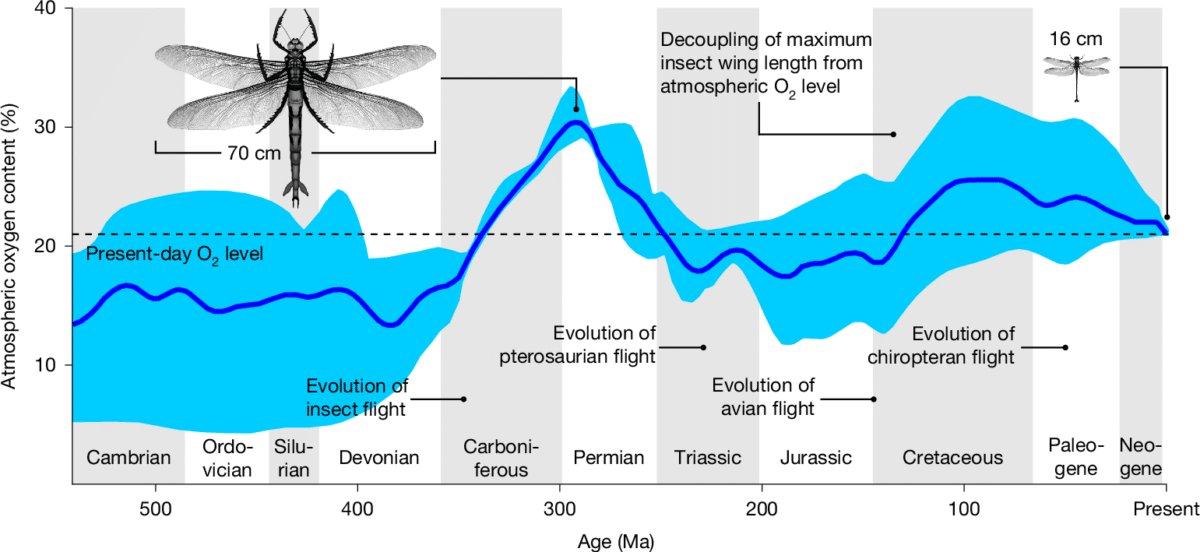
During the late 20th century, the link between elevated atmospheric oxygen and giant insects gained widespread acceptance. By the 1980s, scientists had developed methods to estimate the composition of Earth's ancient atmosphere.

A notable 1995 Nature paper indicated that oxygen levels peaked around 300 million years ago, correlating with the emergence of giant insects in fossils. Researchers hypothesized that the higher oxygen concentration enabled insects to attain sizes much larger than today's species.
This idea centered on insect respiration. Unlike mammals, insects lack lungs. Instead, they rely on an intricate system of tiny air-filled tubes called tracheae, which deliver oxygen directly to the body. Even finer subdivisions, called tracheoles, facilitate oxygen diffusion to muscle tissue and other cells.
It was believed that this respiratory system imposed natural limits on insect size. As insects grew larger, oxygen supposedly had more difficulty reaching distant tissues, especially energy-intensive flight muscles.
New Findings Disrupt Prevailing Oxygen Theory
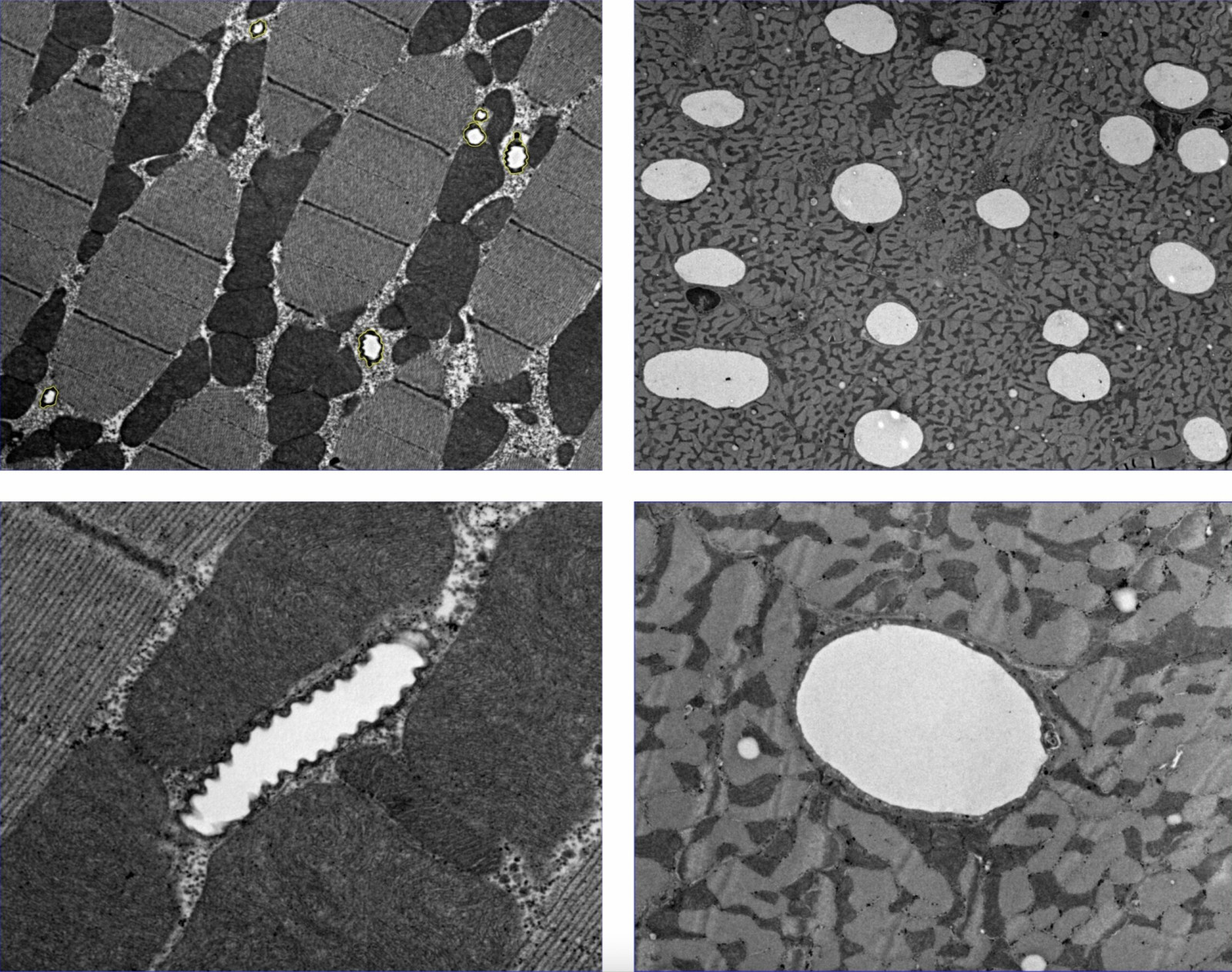
The recent investigation, spearheaded by Edward (Ned) Snelling from the University of Pretoria, used advanced electron microscopy to study insect flight muscles. The team evaluated how tracheole density varied with body size across various insect species.
Their results revealed that tracheoles account for less than 1% of flight muscle volume in most species. Projecting these findings onto giant prehistoric insects showed that the relative volume needed for oxygen transport remained similarly minimal.
“If atmospheric oxygen really sets a limit on the maximum body size of insects, then there ought to be evidence of compensation at the level of the tracheoles,” Snelling said. “There is some compensation occurring in larger insects, but it is trivial in the grand scheme of things.”
The study indicates that giant insects could have increased tracheole density without structural difficulties, undermining the idea that oxygen supply to flight muscles restricted their maximum size.
Ancient Oversized Insects and the Ongoing Mystery
While this research questions a core element of the oxygen hypothesis, the puzzle of giant insect size remains. Oxygen might still influence insect growth through other respiratory components or systemic processes. The team also compared respiratory investments with vertebrate species, as explained by Roger Seymour from the University of Adelaide:
“By comparison, capillaries in the cardiac muscle of birds and mammals occupy about ten-times the relative space than tracheoles occupy in the flight muscle of insects, so there must be great evolutionary potential to ramp up investment of tracheoles if oxygen transport were really limiting body size.”
The authors suggest alternative factors worth exploring, such as pressures from vertebrate predators or biomechanical constraints related to the insect exoskeleton.
“If oxygen does not limit maximal insect size, then perhaps other culprits are responsible for the small size of insects, such as predation from vertebrates, or biomechanical support limits on the exoskeleton itself,” explained Seymour.
Despite years of investigation, the scientific community still lacks a definitive explanation for the rise and fall of gigantic insects in Earth's history.
- Categories:
- Science










0 comments
Sign in to Comment