

For nearly seven decades, what is now identified as Type 5 diabetes lingered in medical obscurity. First discovered in Jamaica in 1955, this form of diabetes gained recognition from the World Health Organization during the 1980s but was later removed from official classifications in 1999 due to ongoing controversy. Scientists debated whether it was merely a variant of existing diabetes types. Without formal acknowledgment, this condition remained largely overlooked, hindering research and making accurate diagnosis a major challenge.
The ambiguous status of Type 5 diabetes has had serious repercussions, particularly in developing nations. Its symptoms often lead to misdiagnosis, which is more than just an administrative error. Recent studies reveal that therapies suitable for Type 1 or Type 2 diabetes might be ineffective or even risky for those suffering from this disease caused by nutritional deficiencies. Endocrinologists such as Meredith Hawkins from the Albert Einstein College of Medicine’s Global Diabetes Institute have been at the forefront of efforts to secure official recognition, motivated by the need to safeguard vulnerable patients from inappropriate medical interventions.
Unique Metabolic Characteristics
A pivotal investigation in southern India provided clear evidence distinguishing Type 5 diabetes from other diabetes forms. In 2022, research led by Hawkins revealed that individuals with diabetes linked to malnutrition display a distinct metabolic signature that challenges previously held beliefs.

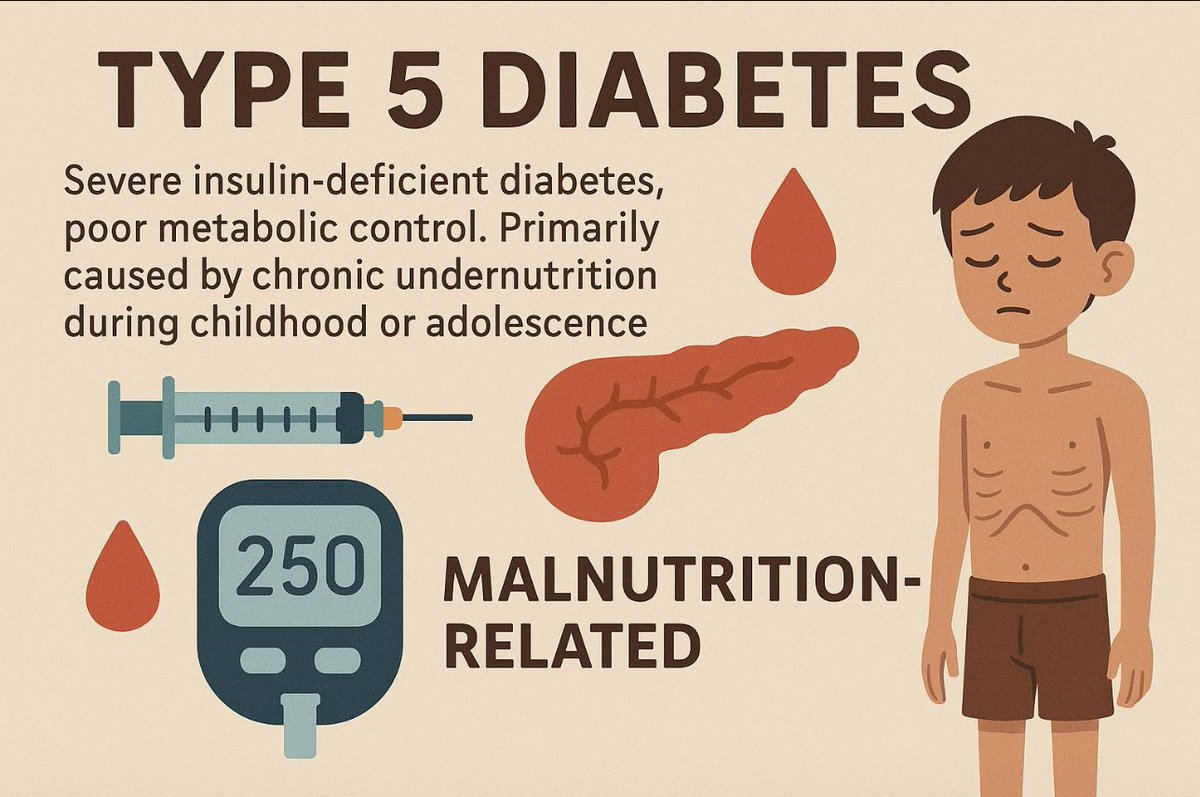
The study found these patients suffer from insulin deficiency similar to Type 1 diabetes cases, but not as extreme. Crucially, unlike most individuals with Type 2 diabetes who develop insulin resistance, those with Type 5 diabetes remain highly sensitive to insulin.
Could Your Diabetes Medication Endanger You?
The confusion surrounding Type 5 diabetes carries significant risks. Since insulin resistance is not the primary problem, existing treatment guidelines must be reassessed. Meredith Hawkins and her colleagues, after publishing a comprehensive review following the International Diabetes Federation’s endorsement, emphasize the necessity for careful management of these patients.
“Inappropriate insulin treatment could induce hypoglycaemia [low blood sugar levels], which can be a particular risk in settings with food insecurity and where glucose monitoring might not be affordable.”
For individuals suffering from malnutrition who lack access to constant glucose monitoring, using typical insulin doses designed for Type 2 diabetes could prove life-threatening. This tragic reality, with young patients losing their lives due to incorrect treatment, has driven the push for formal recognition of this diabetes form.
Overlooked Challenge in Global Health
Previously linked primarily to Asia and Africa, experts are now warning that Type 5 diabetes is emerging across multiple regions. The underlying cause—severe nutrient deprivation during critical phases of pancreatic growth—is not restricted to a specific locale.
Following its official classification, researchers have noted rising issues of malnutrition-related diabetes in parts of Latin America and the Caribbean.
“There is no quick fix, and so we expect the fight against this disease to require substantial further research and advocacy,” Hawkins explained in an interview for Montefiore Einstein. ”Once you have seen young patients dying from inappropriate treatment of a neglected form of diabetes, there’s no turning back.”
The International Diabetes Federation’s newly formed working group faces the critical task of developing standardized diagnostic tools and training health professionals worldwide. Their goal is clear: in regions grappling with food scarcity, healthcare providers should be equipped to identify and effectively manage Type 5 diabetes.
- Categories:
- Science













0 comments
Sign in to Comment