
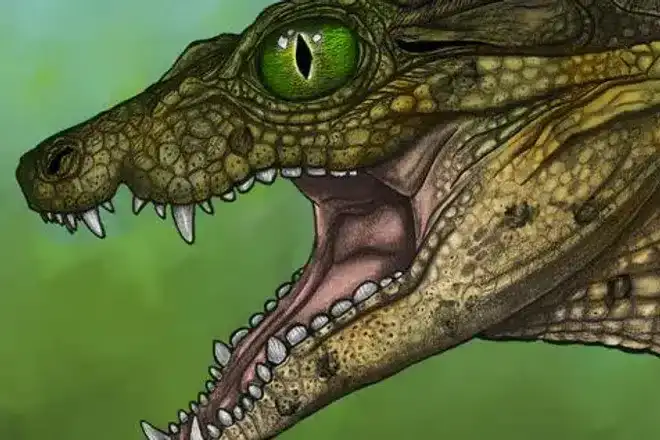
Paleontologists have uncovered a remarkable species of small terrestrial crocodilian from southwest Montana dating back to the Cretaceous era. Known informally as Elton and formally named Thikarisuchus xenodentes, this predator measured under two feet in length and featured a distinct set of teeth adapted for consuming both plants and diminutive dinosaurs. Detailed in the Journal of Vertebrate Paleontology, this discovery introduces a novel crocodile lineage and reveals unexpected diversity in croc evolution during this period.
The Arrival of an Extraordinary Crocodile
During a 2021 summer field course led by Montana State University, student Harrison Allen uncovered an intriguing fragment while excavating the Blackleaf Formation near Dillon, Montana. Although small, about the size of a pinky fingertip, its unusual texture caught the attention of Allen’s professor, Dr. David Varricchio, indicating a potential significant find.
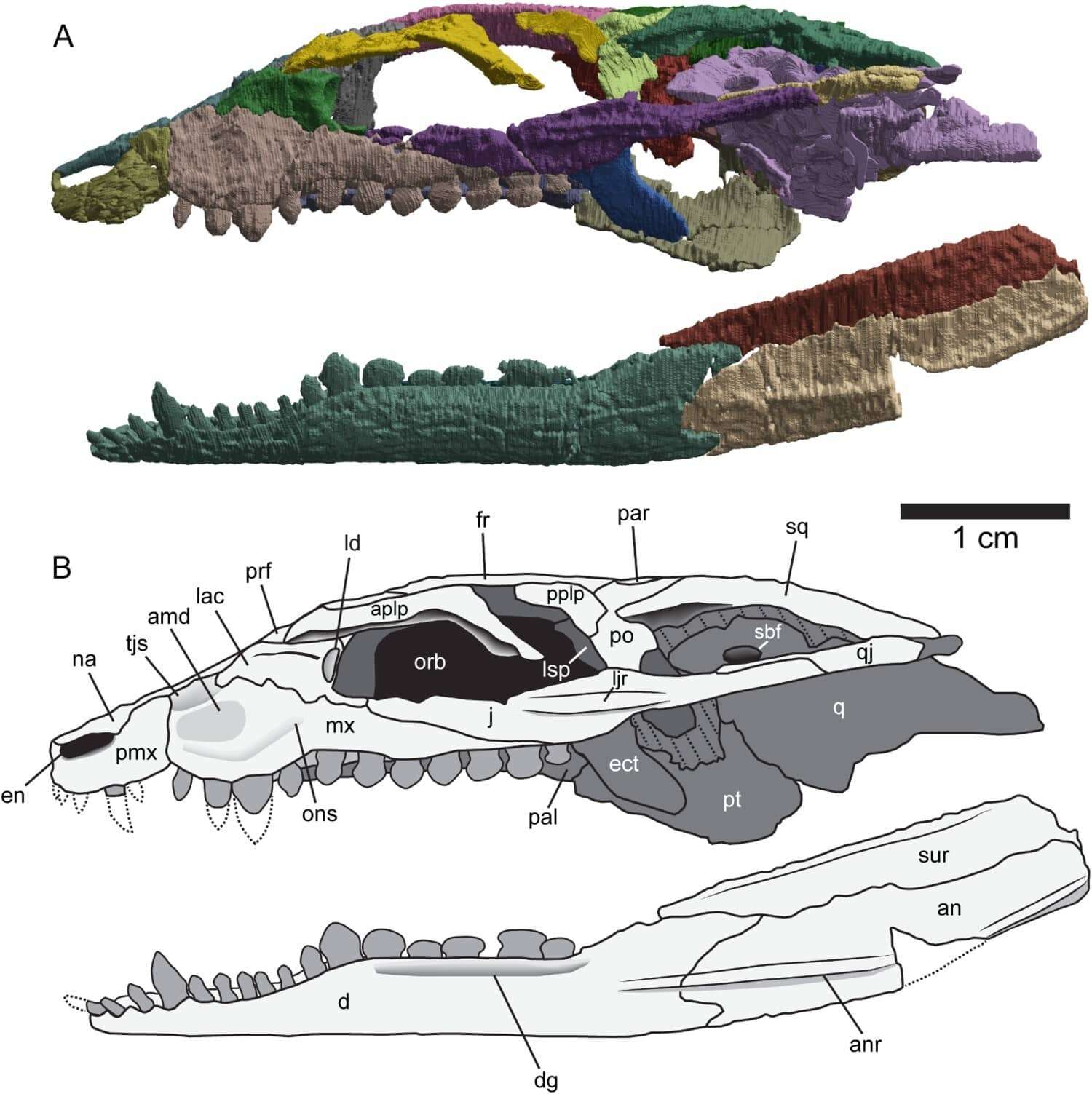
This fragment belonged to an almost complete crocodilian skull. As excavation proceeded, the team affectionately dubbed the specimen Elton, inspired by Elton John’s 1972 tune “Crocodile Rock,” which was playing during the fieldwork. The fossilized remains encompassed multiple skeletal components — limbs, vertebrae, jaw — with a skull just 50 millimeters long. Due to the delicate nature of the bones, researchers utilized CT scanning for digital reconstruction. Allen devoted over 100 hours to color-coding the scans, distinctly separating bones from the rock matrix and reconstructing the animal’s likely appearance.

A Novel Line on the Crocodilian Family Tree
Examination of the fossil identified it not merely as a new specimen but as a previously unknown species. The name Thikarisuchus xenodentes roughly translates to “crocodile with unusual teeth.” However, the study revealed more: notable similarities with the Atoposauridae, a group of small, land-adapted crocodilians from Eurasia. This was unexpected since most members of the aquatic Neosuchia clade were water dwellers. The overlapping traits in these geographically distant species exemplify convergent evolution, where unrelated species develop similar adaptations to comparable environmental pressures. As lead researcher Harrison Allen explained:
“ we’re seeing convergent evolution between two distantly related groups due to similar environmental conditions, prey availability and who-knows-what that prompted crocs on opposite sides of the planet to develop similar features.”
A Crocodile with Unprecedented Dental Features
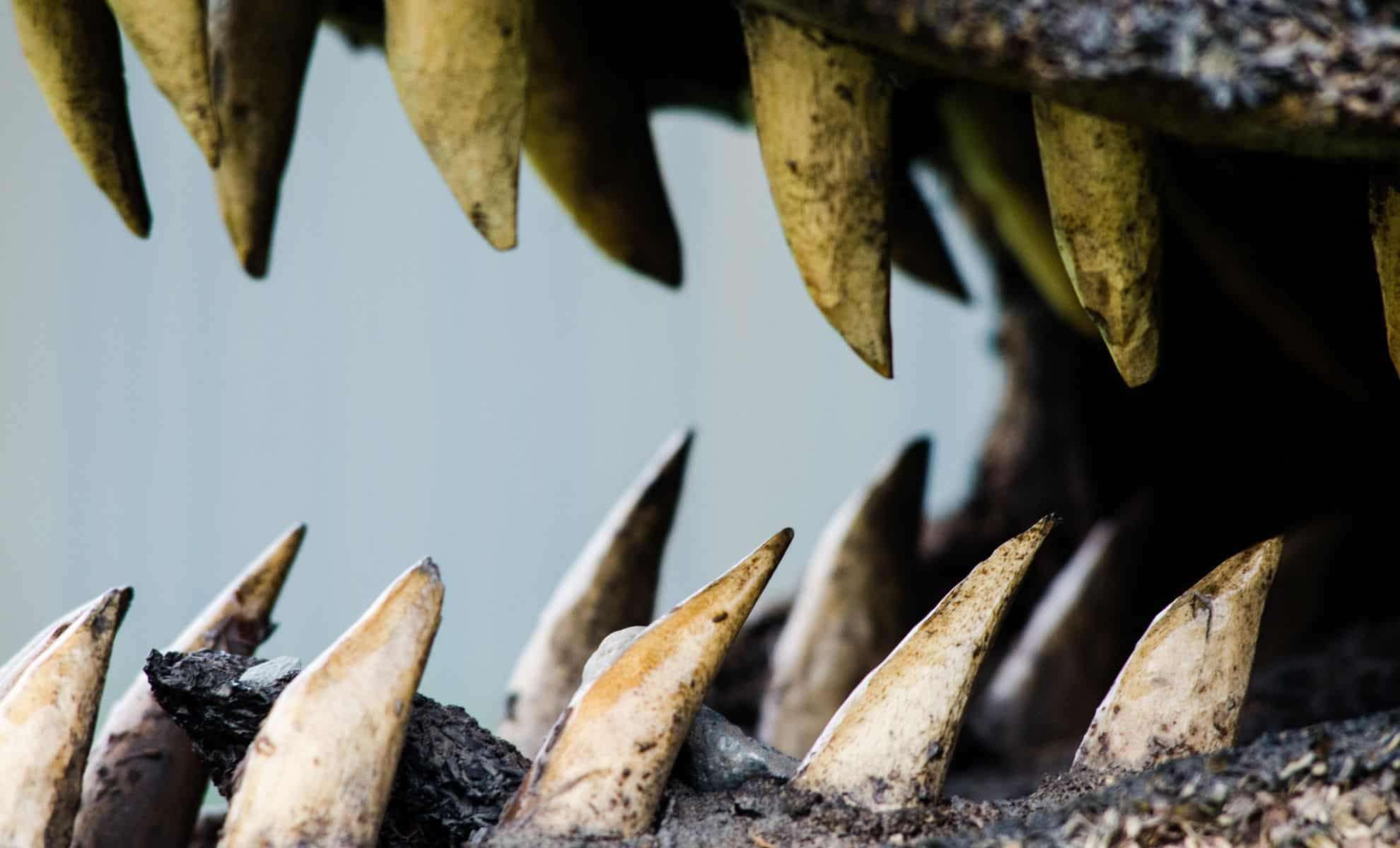
Unlike present-day crocodiles, which possess straightforward cone-shaped teeth ideal for grasping prey, Thikarisuchus displayed heterodont dentition—teeth varying in form and function. Some were specialized for capturing small prey such as insects or juvenile dinosaurs, whereas others appeared suited for cutting vegetation or soft tissues.
This diverse dental arrangement is rare in crocodilian evolution and implies Thikarisuchus maintained an omnivorous, potentially even insectivorous, diet. Additionally, the fossil’s compact and well-aligned bone arrangement suggests preservation within a burrow, indicating that this croc may have inhabited underground shelters or found its fossilized resting place there.
- Categories:
- News





0 comments
Sign in to Comment