
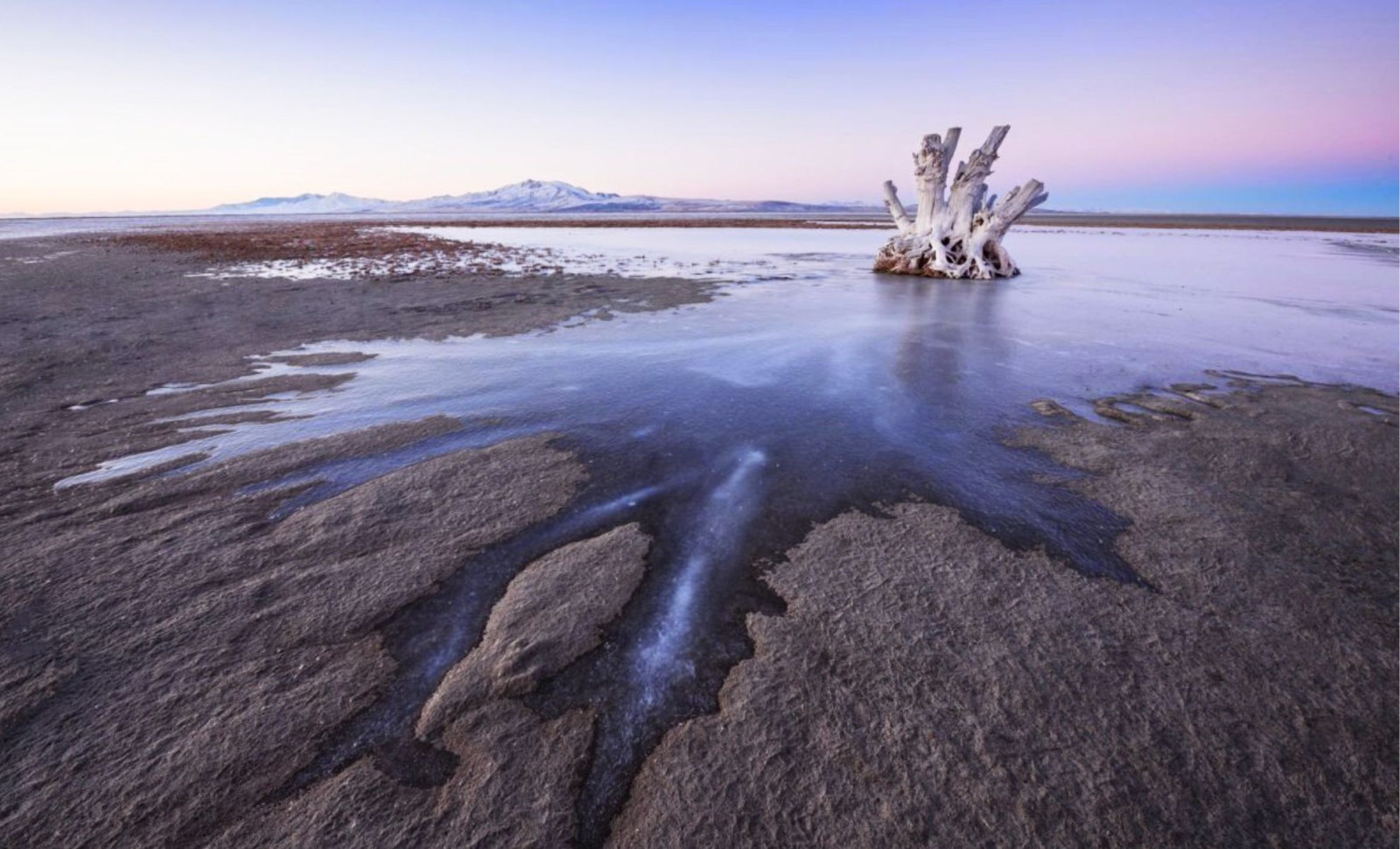
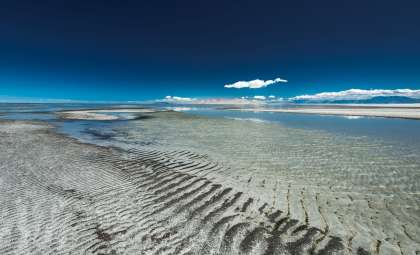
Great Salt Lake's shoreline in Utah may look barren, with vast salt-encrusted mudflats stretching toward the glimmering shallow waters under the scorching sun. Winds create gentle waves on the surface, but beneath lies one of North America's most intriguing ecosystems.
Historically, scientists regarded the lake as biologically simple. Its extreme salt levels restrict survival to few species, leading researchers to mainly focus on a limited number of well-known animals. The lake's ecology was thought to be straightforward: just a few organisms thriving where most life cannot endure.
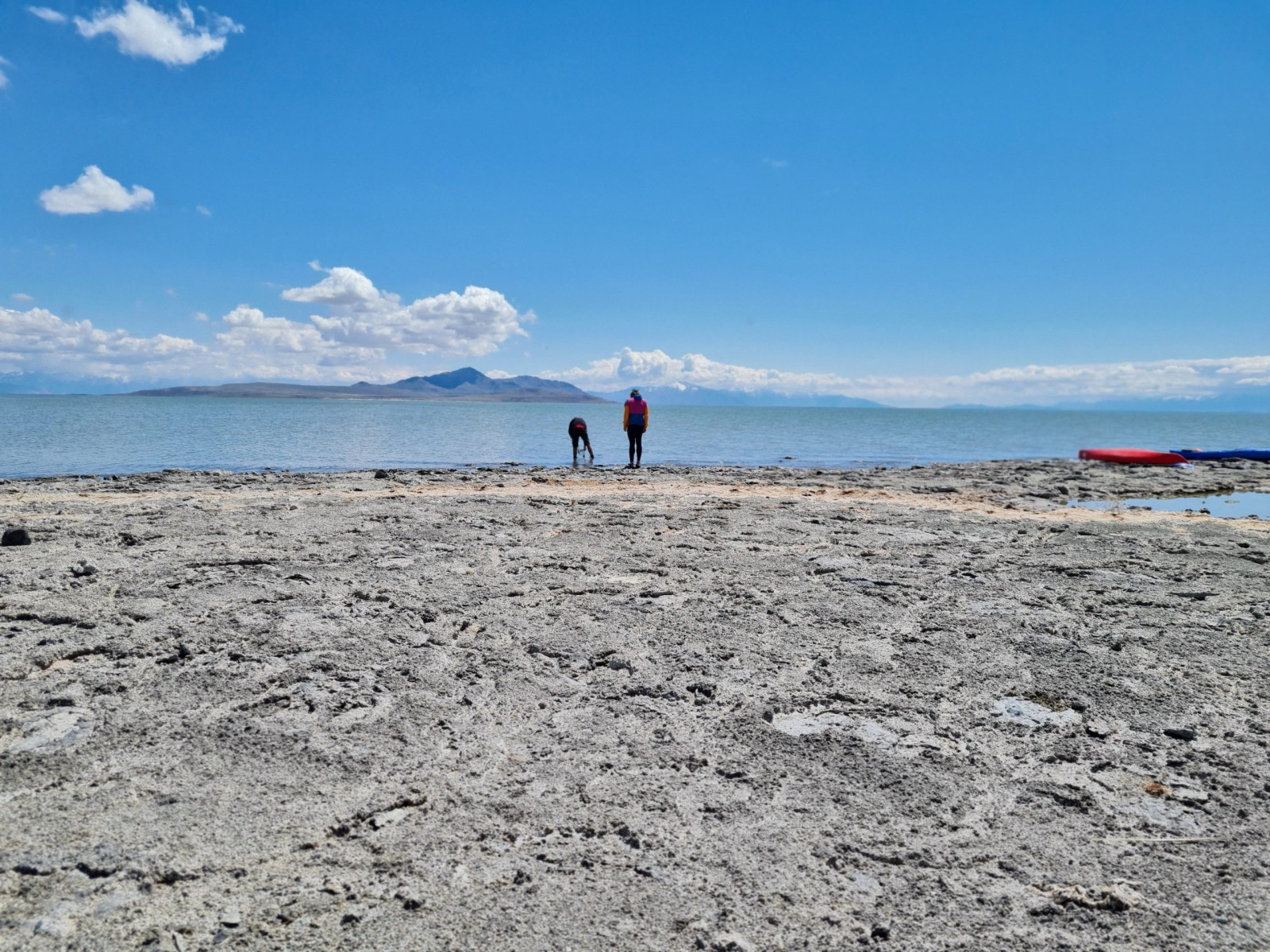
Two species typically dominate: the tiny crustacean Artemia franciscana, or brine shrimp, which forms massive seasonal gatherings in the water, and the brine flies that breed on dark mats along the shoreline. These creatures sustain millions of migratory birds relying on the lake for nourishment during their journeys.

Yet, beneath the surface mud, another form of life had remained hidden all along.
Recent sediment analyses uncovered previously undocumented organisms residing within the layers of mud. Specks of microscopic roundworms, classified as Nematoda, were discovered nestled between grains of mud and salt crystals, revealing a novel layer of life in this hypersaline environment.
A Hidden Microscopic World Under the Lake’s Surface
The breakthrough research originated from the University of Utah, where biologist Byron Adams specializes in studying microscopic creatures inhabiting extreme habitats. Sediment samples were gathered from multiple spots around the lake and brought back to labs for detailed examination.
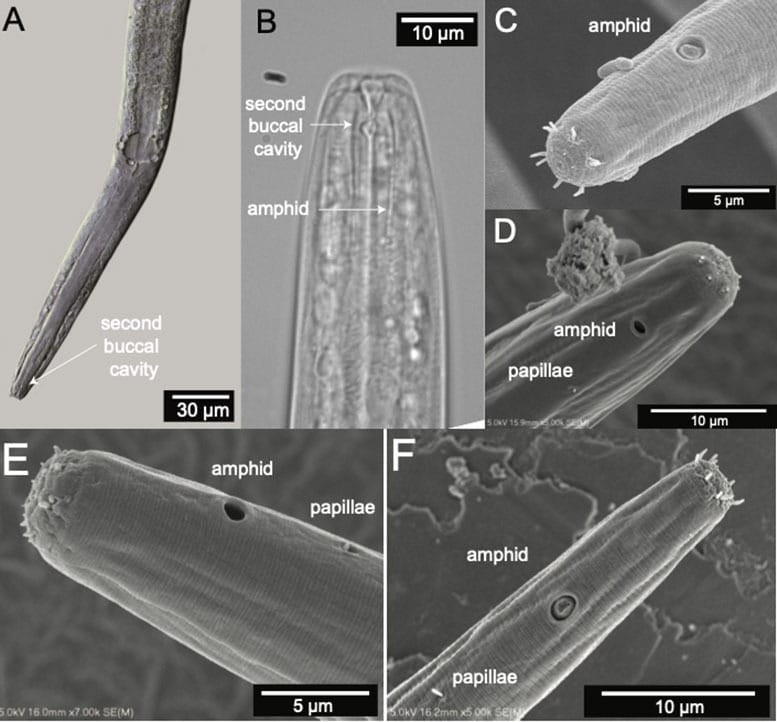
Microscopic inspection revealed slender, threadlike worms only a fraction of a millimeter in length wiggling through the sediment. Genetic analysis confirmed these animals as nematodes, a widespread group found in nearly every ecosystem worldwide.
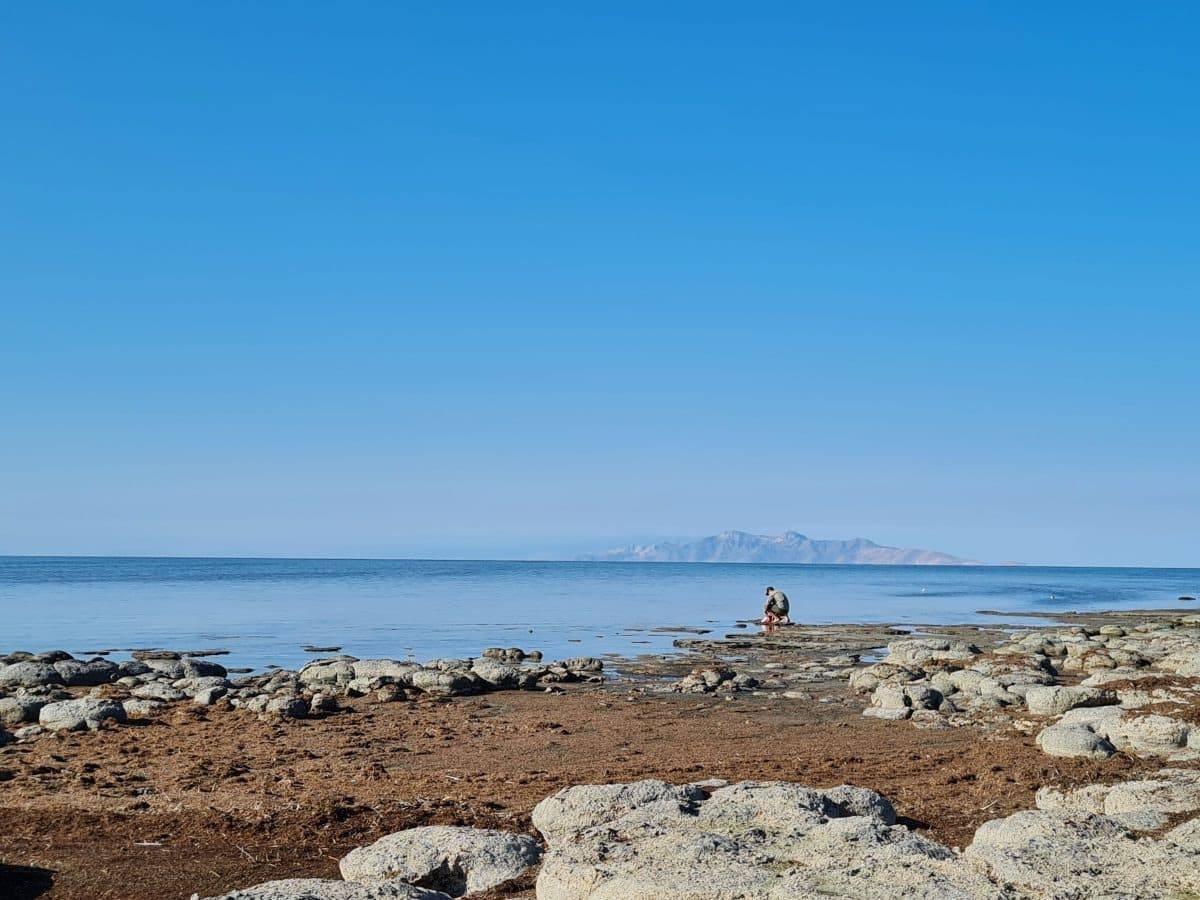
Nematodes rank among Earth’s most common animals, inhabiting soils, freshwater, oceans, and even deep underground realms. Despite their global presence, scientists had never before documented their existence in this salt-saturated lake, long considered too extreme for many animal species.
The findings were officially published in the Journal of Nematology, where the team described multiple roundworm species thriving within the lake sediments, adding a completely new animal group to its known inhabitants.
Adapting to Extreme Salt Levels
Survival here is challenging. Salt levels in some parts of the lake are several times saltier than ocean water, creating hostile conditions that disrupt cellular water balance—hence why few creatures can live here.
Resident organisms have evolved unique adaptations to maintain internal equilibrium. Brine shrimp regulate their body’s salt concentration while consuming tiny algae suspended in water, whereas brine flies develop as larvae within shoreline mats rich in bacteria and algae.
The recently discovered nematodes inhabit a different niche. Instead of swimming freely, they burrow through the micro-spaces between sediment grains beneath the lakebed, areas often rich with organic matter and dense microbial populations.
These worms likely consume bacteria, microalgae, and decomposed organic material settling from above, placing them near the base of a previously unseen sedimentary food chain driven by microbial activity.
Insights from Sediment Examination
Careful analysis showed these worms were not sporadic visitors but well-established residents. Multiple sediment samples contained significant populations, indicating thriving communities beneath the salty water.
Besides, several nematode species were recognized, suggesting diverse adaptations allowing different worms to occupy varied sediment niches within this extreme environment.
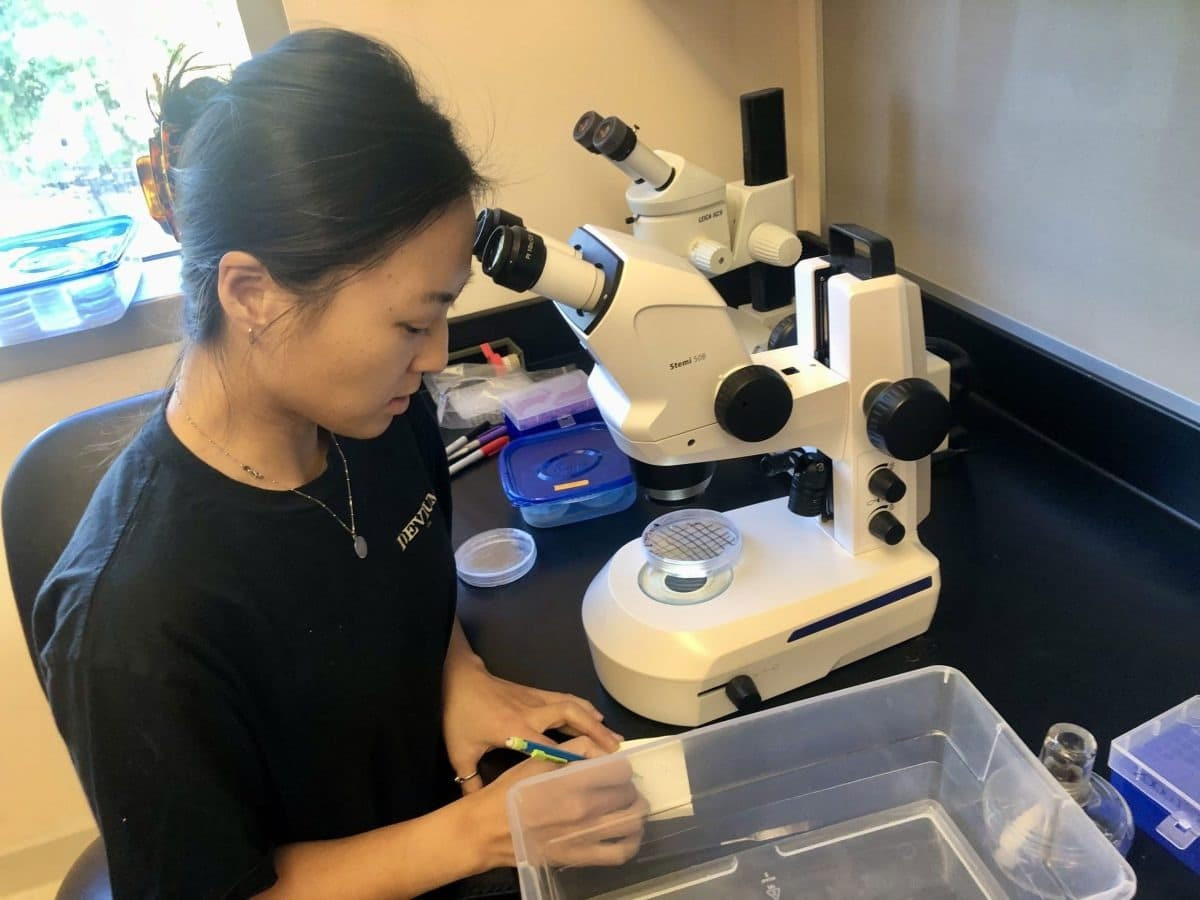
These minute animals play vital roles across ecosystems by consuming microorganisms and breaking down organic debris, facilitating nutrient recycling in soils and aquatic sediments. Their movements also mix sediment layers, influencing oxygen and nutrient flow beneath the lake.
Their presence here implies similar processes sustain microbial life within Great Salt Lake sediments, even if these worms remain imperceptible to the naked eye.
Broadening the Lake's Ecological Understanding
For many years, research has focused on visible organisms dominating the waters and shores of Great Salt Lake. The discovery of nematodes reveals an overlooked microscopic dimension to the ecosystem.
Microhabitats within sediments often support intricate communities that go unnoticed due to their size and cryptic nature. Long-studied environments like this lake can still harbor undiscovered life forms.
Scientists stress that comprehensive studies of sediment samples may uncover yet more tiny species, with harsh environments often fostering uniquely adapted life that thrives under severe chemical stresses.
- Categories:
- Science





0 comments
Sign in to Comment