
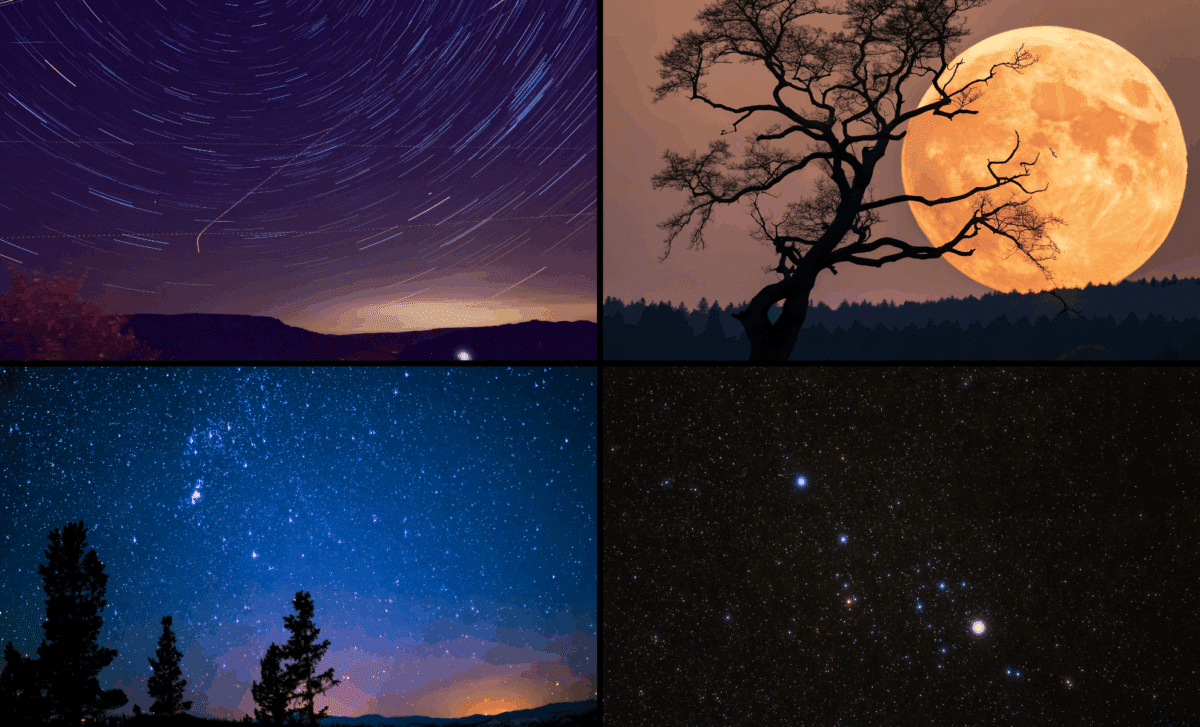
November 2025 offers sky enthusiasts an unforgettable celestial display, featuring Mercury’s rare evening brilliance, vibrant Taurid and Leonid meteor showers. Expect to see the largest full moon of the year, alongside a subtle micro new moon, while Orion, Taurus, and Uranus shine brightly in the autumn night sky.
Mercury’s Bright Evening Rise and Meteor Activity Kicks Off
The start of November highlights Mercury reaching its peak evening altitude, presenting a unique chance to catch the elusive planet visible without instruments before it slips into the Sun’s glare. As detailed by National Geographic, optimal viewing will be near the equator, where Mercury will hover just above the horizon during sunset. This spectacle signals a dynamic month of celestial light and motion.
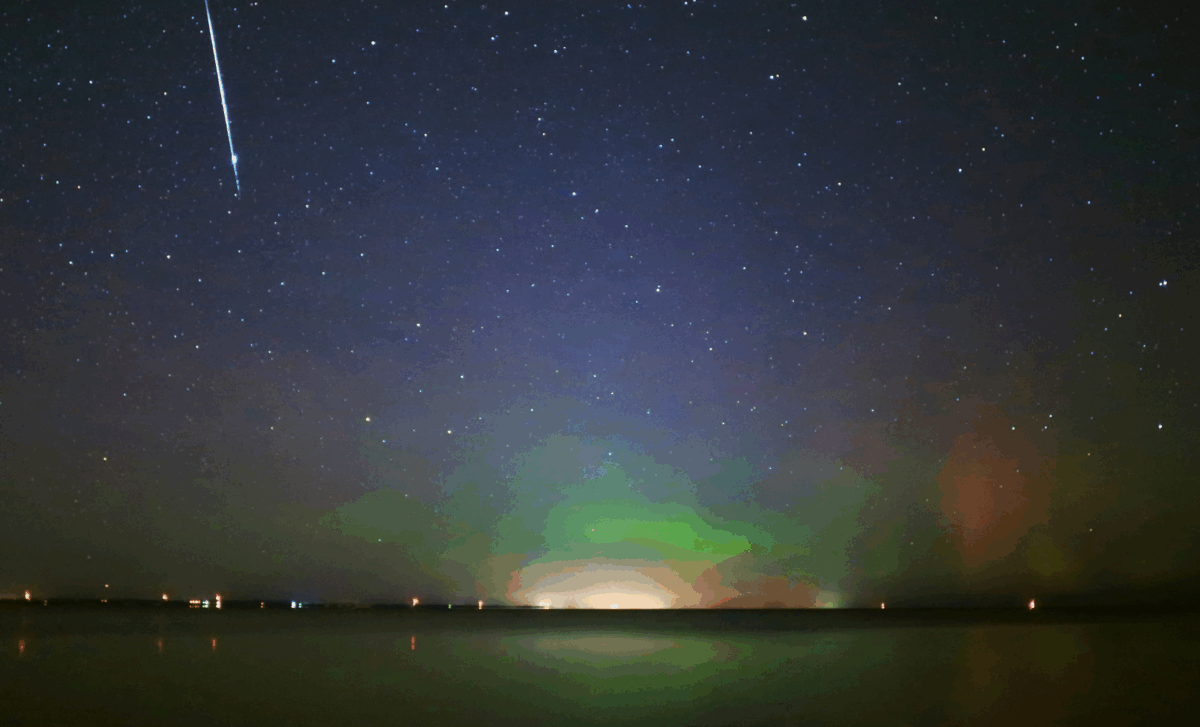
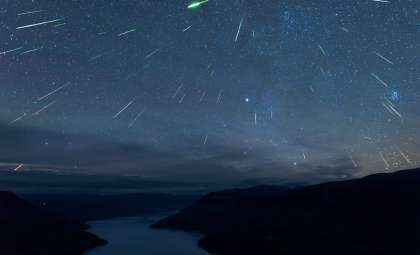
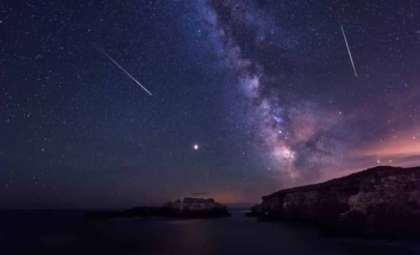
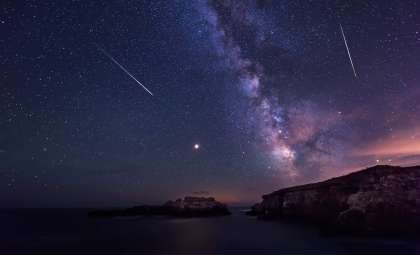
Shortly after, the Southern Taurid meteor shower lights up the skies with brilliant fireballs on November 4 and 5. Experts anticipate 2025 could be one of those rare years featuring an impressive “fireball swarm,” with meteors shining brighter than Venus. Adding to the spectacle is the super “beaver moon”, rising nearly at the same time and appearing larger and brighter as it nears Earth’s orbit.

Double Fireball Meteors and Lunar Phases in Motion
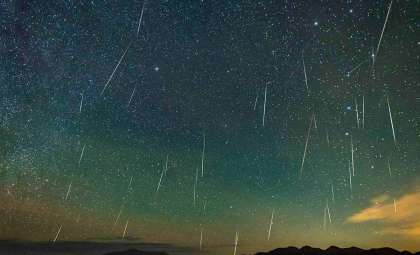
The celestial fireworks continue with the Northern Taurid meteor shower peaking on November 11–12, overlapping with their southern siblings. Both showers originate from debris left behind by Comet Encke, whose dust trails blaze through Earth’s atmosphere yearly. Their combined presence significantly increases the chance of witnessing glowing, slow-moving fireballs, enchanting both photographers and stargazers during these autumn nights.
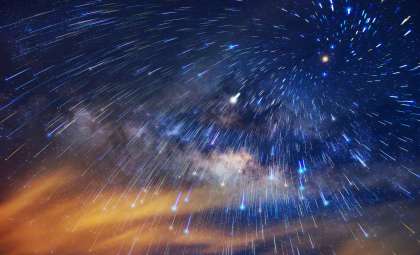
Following closely, the Leonid meteor shower peaks around November 17 to 18 as Earth passes through remnants of Comet Tempel-Tuttle. Although 2025 is unlikely to see a storm-level Leonid display, the waning crescent moon, nearly dark at just nine percent illumination, will help reveal up to fifteen meteors per hour. Each streak of light narrates tales of cosmic dust burning as it enters our atmosphere, connecting observers to the solar system’s ancient past.
Subtle Lunar Moments and Uranus in Opposition
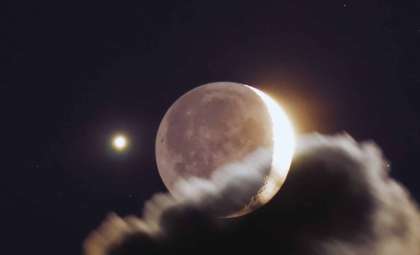
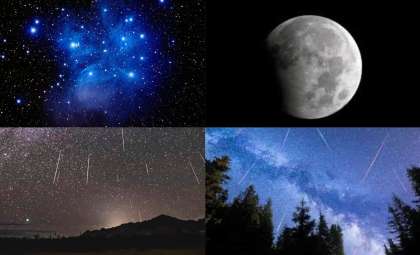
On November 20, the micro new moon will occur at its most distant point from Earth, rendering it nearly invisible. This phase provides an exceptionally dark night sky perfect for spotting faint deep-sky objects such as the Pleiades, Hyades star clusters, and more distant galaxies—ideal for amateur astronomers with binoculars or small telescopes.
As the moon fades from the night, Uranus reaches opposition on November 21, marking its position opposite the Sun as viewed from Earth. Although it’s a challenge to the naked eye, Uranus’s subtle blue-green glow is visible within the constellation Aries, shining at its brightest annual point. Meanwhile, classic winter constellations such as Orion and Taurus return prominently to the northern hemisphere’s skies, reminding us of the seasonal cycles of the cosmos.
- Categories:
- News


0 comments
Sign in to Comment