
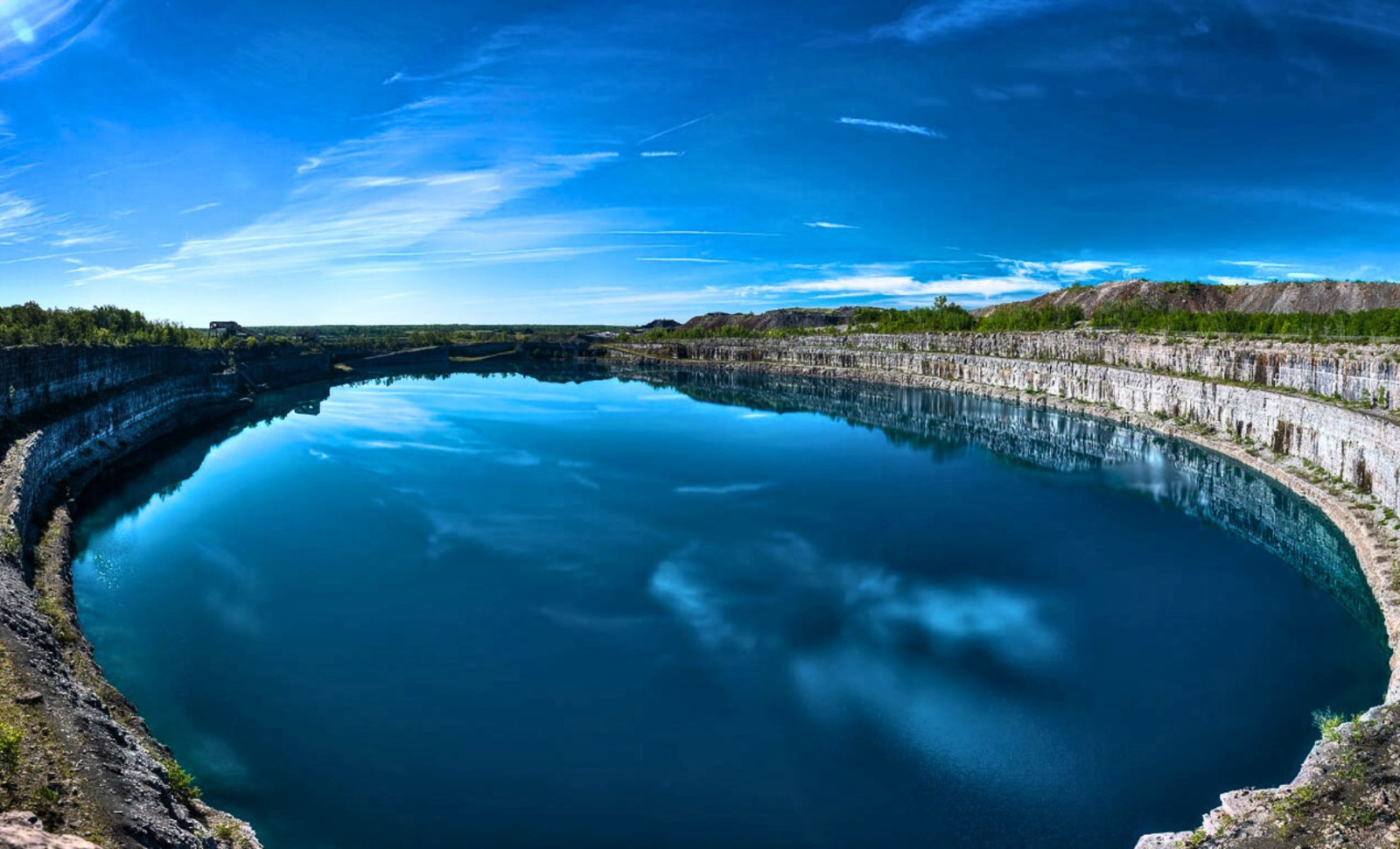
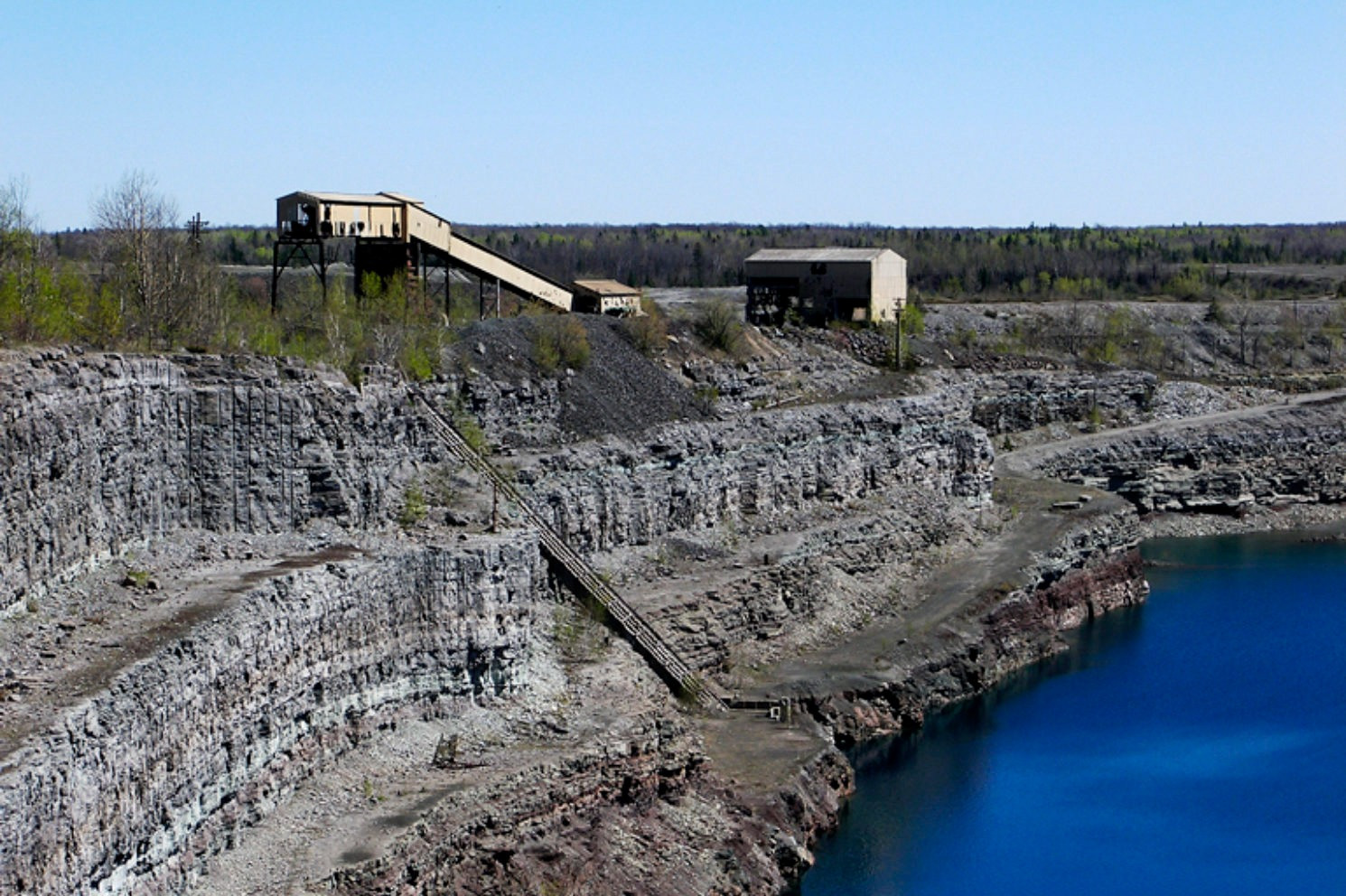
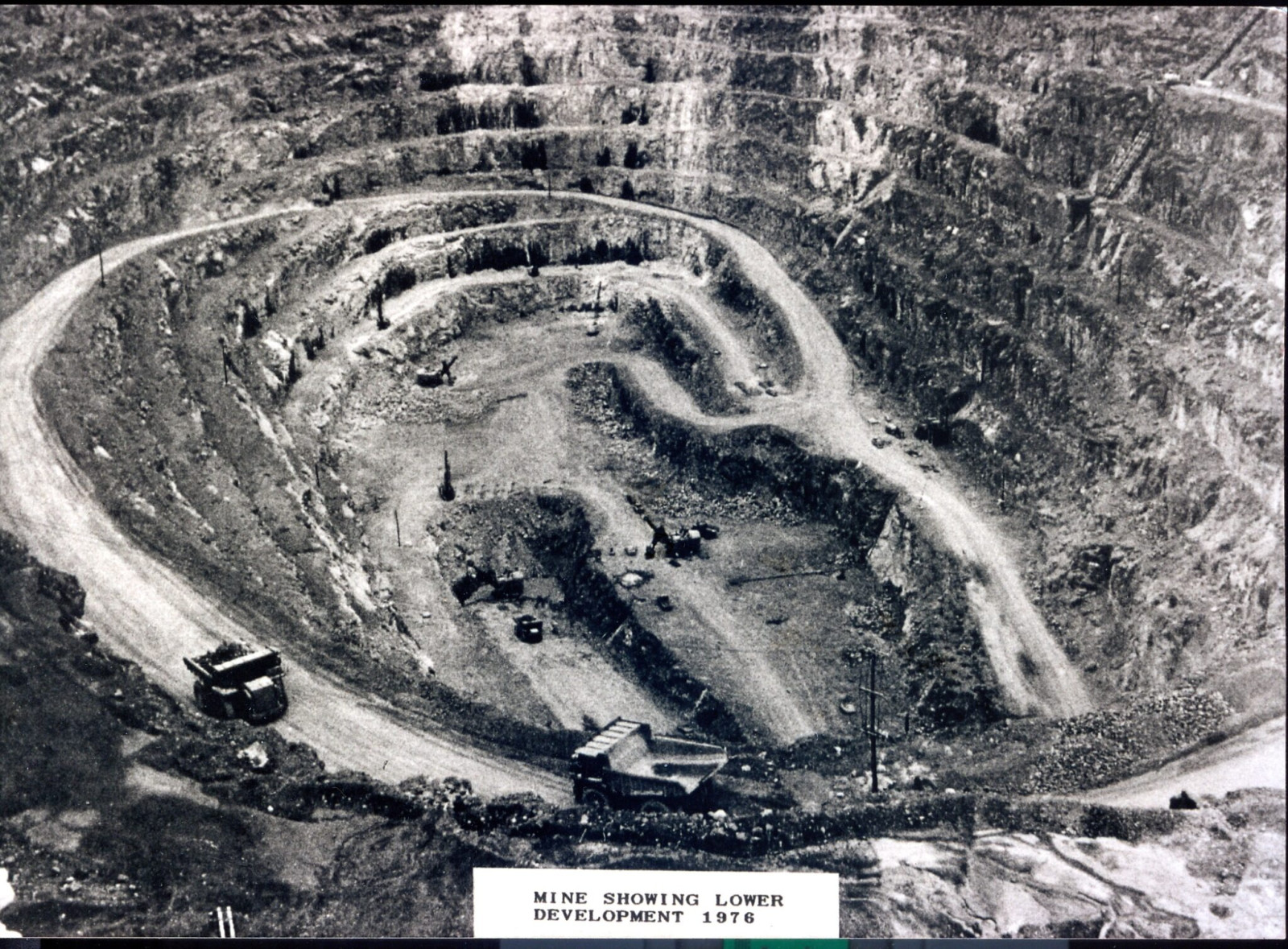
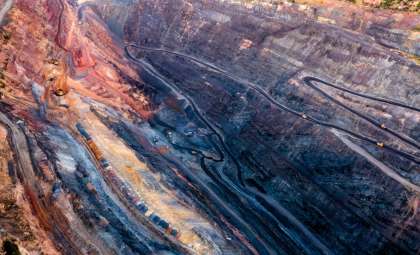
On the outskirts of a quiet town in Ontario, a vibrant turquoise lake now fills the cavity of a long-abandoned iron mining site. The still waters lie surrounded by steep cliffs and terrain sculpted by years of mining activity. Although it seems untouched since mining ceased decades ago, this site is poised for a new purpose.
Rather than focusing on mineral extraction or tourism, plans have shifted toward harnessing the location for energy storage—an increasingly vital component of power grids as they integrate more renewable sources.
With growing wind and solar installations, electricity systems in Canada and worldwide face fluctuating power supply challenges. Current batteries satisfy short-term needs but fall short for long-duration storage solutions at grid scale.

Amid this landscape, the former Marmoraton Mine near Marmora, Ontario, has emerged as a promising candidate. Once considered an environmental liability, its unique depth and structure make it suitable for pumped hydroelectric storage, a proven method for large-scale energy retention.
Concept and Operational Plan
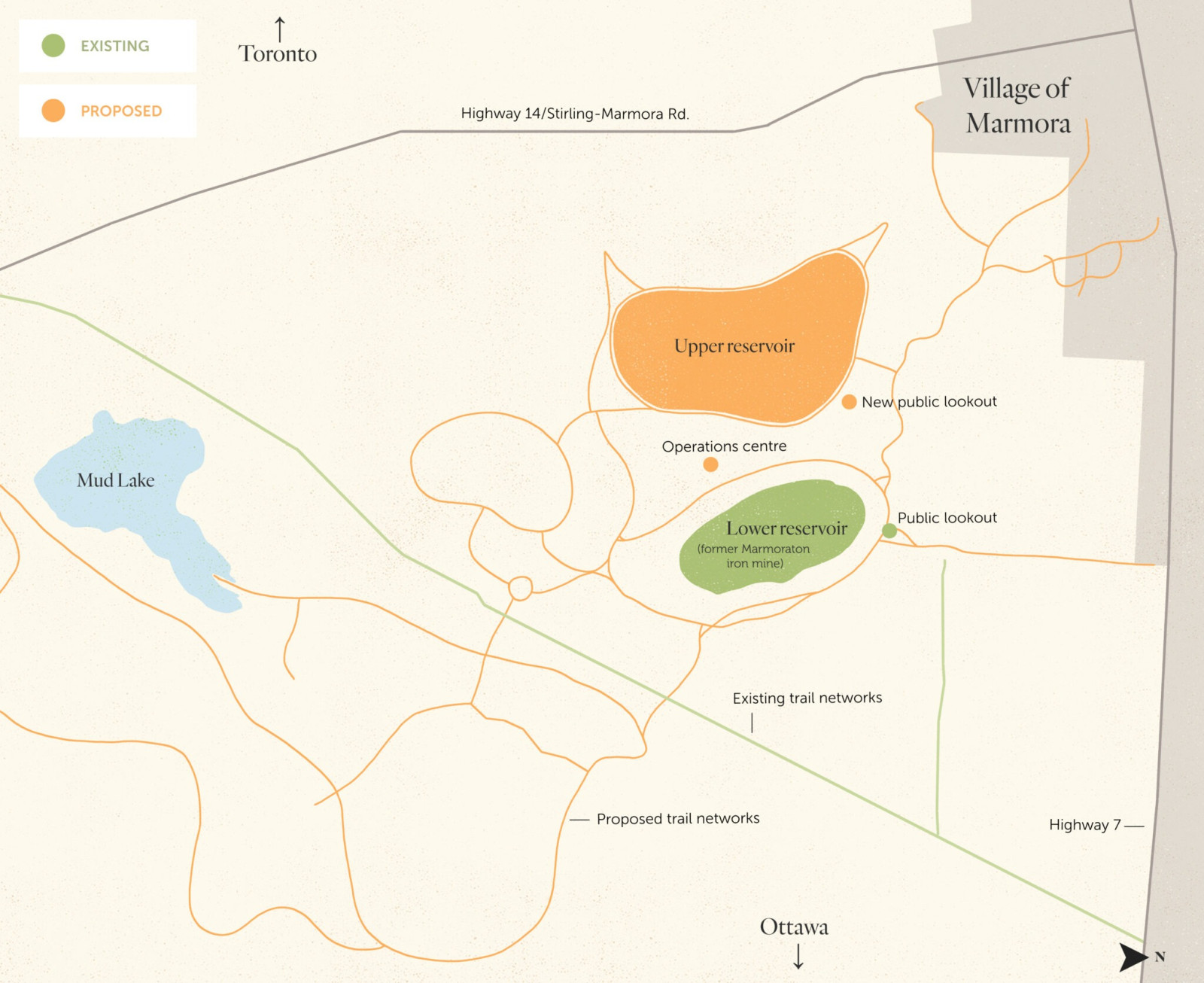
The Marmora Clean Energy Hub, spearheaded by Northland Power in collaboration with Ontario Power Generation, aims to repurpose the flooded mine pit as the lower reservoir for a closed-loop hydro storage system. A constructed upper basin, made from nearby waste rock, will hold water pumped uphill when electricity demand is low. When demand surges, water is released downhill through turbines, producing up to 400 megawatts for approximately five hours.
Northland estimates the facility could supply power to around 400,000 households, equal to the populations of Mississauga and Brampton combined. Additionally, a 30-megawatt solar array on-site will contribute renewable energy generation.
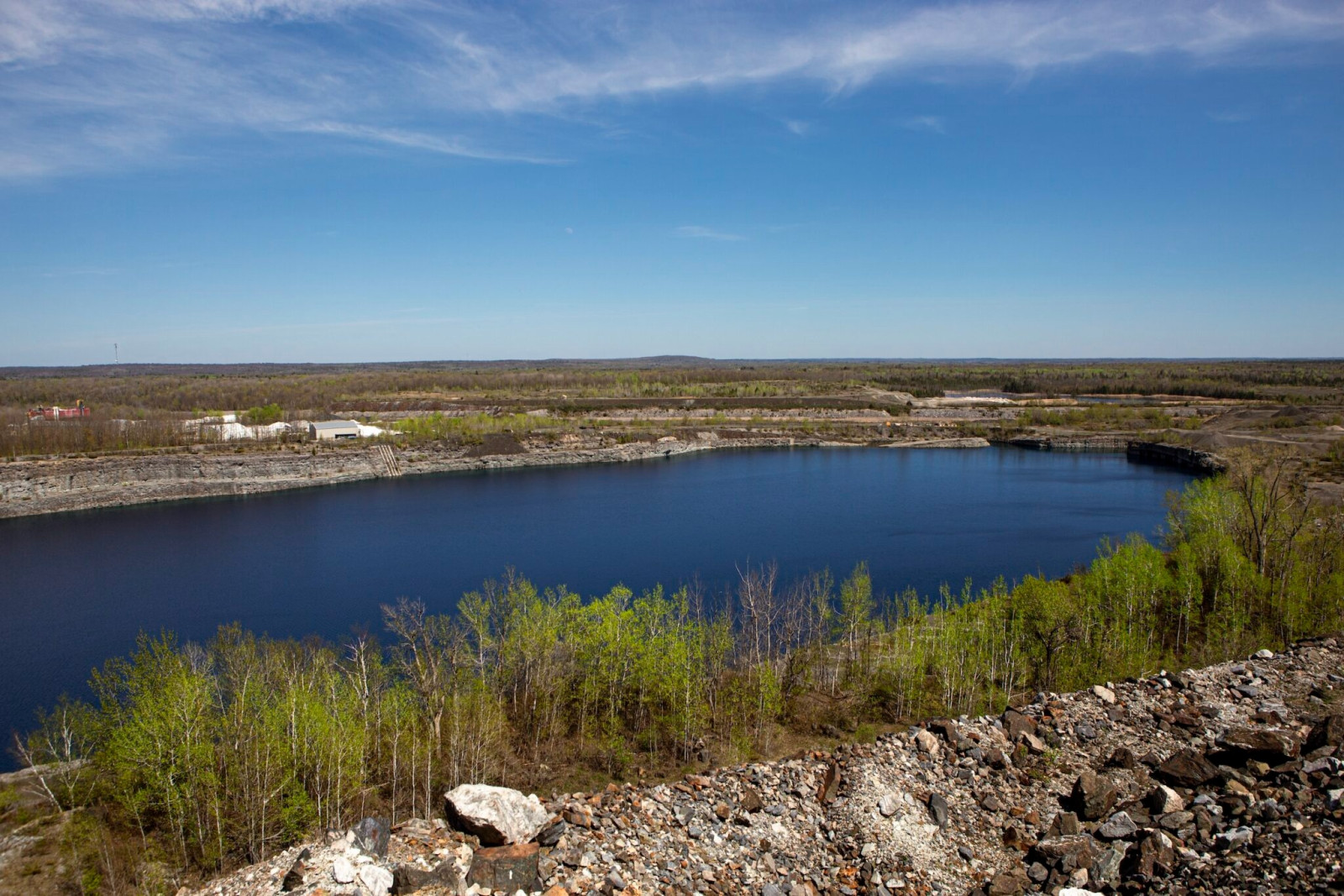
Fundamentally, the system exploits gravitational potential energy by cycling water between two enclosed reservoirs, unlike traditional hydroelectric plants that depend on flowing rivers or large dams. The mine pit's substantial depth of 213 metres, remote location, and existing infrastructure position it as a rare opportunity for such development.
Construction, Expenses, and Regulatory Steps
Ontario’s evolving energy landscape is assessing the project’s significance. As the Pickering Nuclear Generating Station nears shutdown and fossil fuel dependence wanes, the need for grid stability solutions is rising.
The Independent Electricity System Operator (IESO), overseeing Ontario’s electric grid, highlights Marmora’s proximity—about seven kilometers—from a crucial transmission hub linking Toronto and Ottawa, easing infrastructure costs. The IESO also foresees increasing energy gaps as nuclear assets retire or undergo refurbishment in coming years.
Despite these advantages, funding remains a hurdle. Northland projects construction costs exceeding 1 billion Canadian dollars. While Ontario’s Minister of Energy urged the IESO in 2022 to advance the project to the next evaluation phase, it was noted alongside other pumped storage proposals that current financial models deem it “not forecast to provide sufficient value to Ontario’s electricity consumers”.
Updated financial analyses are tentatively scheduled for 2026. Northland emphasizes that securing a long-term power purchase agreement is essential before proceeding, as the project’s financial risks are currently too great for private investors alone.
Ecological and Community Considerations
The mine's status as a brownfield offers environmental benefits. Conservation advocates and experts appreciate that revitalizing this site avoids disturbing natural habitats. The closed-loop design ensures the facility remains hydrologically isolated, preventing alterations to surrounding rivers or lakes.
Water assessments by Quinte Conservation, responsible for local watershed health, confirm that the mine lake's water quality aligns with provincial standards. Variations reflect natural geology rather than pollution, garnering the authority's support.
Concerns from residents about safety and water management for the proposed upper reservoir, constructed on rock waste foundations, have been addressed by Northland. Plans include early leak detection, automated drainage, and protective barriers to safeguard nearby neighborhoods. According to federal impact assessment documents, the design constitutes a closed-loop system isolated from adjacent water bodies.
The local community supports the initiative. A municipal study projects the project could generate around 32 million Canadian dollars annually through tourism alongside creating over 380 local jobs. Plans incorporate public viewing areas and expanded hiking trails, while securing restricted access to the core energy facility.
- Categories:
- News






0 comments
Sign in to Comment