

The morning alarm rings, and the stomach is empty. For individuals focused on muscle development, the next half hour is crucial. After several hours without nourishment, the body begins to break down muscle for energy. What you eat first can determine whether this breakdown persists or stops.
Specialists in sports nutrition emphasize that it’s not merely about eating anything, but combining three key elements: a generous portion of protein, complex carbs, and a modest amount of healthy fats. This precise mix signals the body to halt muscle degradation and foster muscle building when consumed on an empty stomach.
Raquel Barros, a nutrition expert, advises that breakfast should supply about 25 percent of your daily protein intake immediately after waking up. On an empty stomach, protein is absorbed rapidly, causing amino acids to flood the bloodstream. This spike activates muscle protein synthesis, the process vital for repairing and strengthening muscle fibers.


María José Crispín, nutritionist at Clínica Menorca, highlighted the importance of nutrient timing on an empty stomach. When no fuel is available, the body resorts to breaking down muscle for energy. The overnight fasting period creates a critical window that can either be replenished with essential nutrients or further depleted by the body’s own tissues.
How an Empty Stomach Enhances Nutrient Absorption
Digestive efficiency increases with an empty stomach, as nothing hinders the breakdown and absorption process. Protein passes swiftly to the small intestine, and carbohydrates enter the bloodstream promptly without delay. This rapid delivery is advantageous for muscle growth when the consumed nutrients are balanced and adequate.
Barros recommends a daily protein goal of 1.6 grams per kilogram of body weight, with the morning portion consumed as soon as the stomach is empty. For a 75-kilogram individual, this equates to about 120 grams per day, with around 30 grams incorporated in the first meal. She lists eggs, chicken, tuna, and dairy as dependable protein choices for this early intake.
According to the Mayo Clinic, whose latest guidelines on nutrition and fitness from December 2023 align with this concept, consuming carbohydrates before exercise enhances performance and stamina. Likewise, taking in protein and carbs within two hours post-workout aids muscle recovery and replenishes glycogen stores. Eating on an empty stomach in the morning bridges both pre-exercise nourishment and post-fasting recovery.
Recommended Foods to Eat on an Empty Stomach for Muscle Building
Barros offers three simple meal ideas that fulfill the nutrient demands for effective muscle synthesis without complexity. Each meal is designed to be eaten on an empty stomach with a balanced ratio of protein, carbs, and fats.
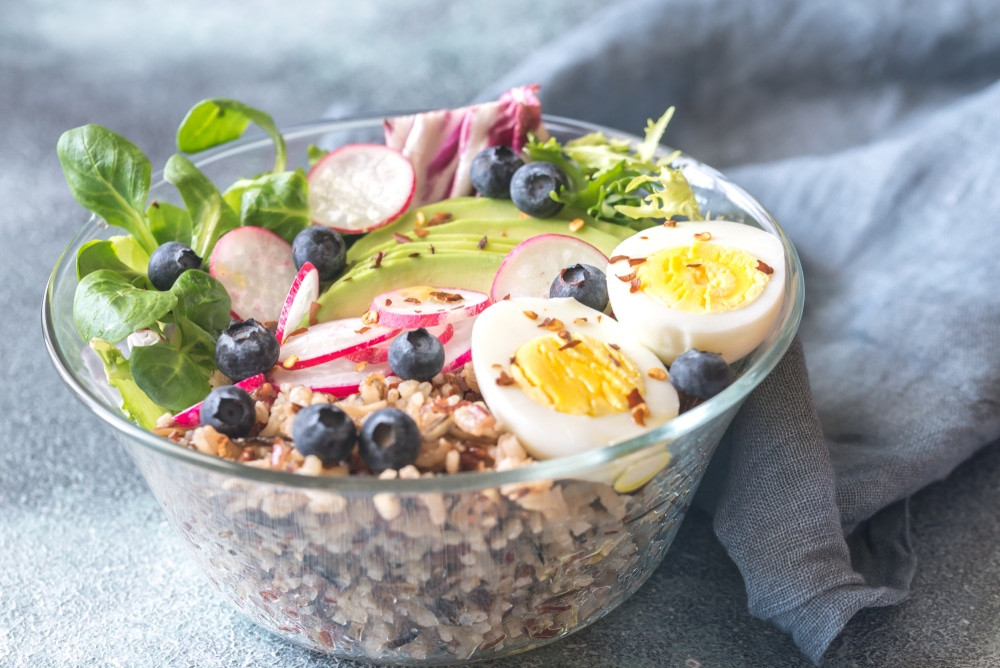
The savory option features two to three eggs, a quintessential protein source recognized for its high bioavailability. Complementing the eggs are whole-grain carbohydrates such as whole-grain bread, wheat wraps, rice, or pasta. Adding sautéed spinach, mushrooms, or cherry tomatoes provides fiber and micronutrients without reducing protein or carbs.

The sweeter option is a quick, microwave bowlcake made with three eggs, 50 grams of sweet potato flour, a mashed banana, 15 grams of honey, and 30 grams of dark chocolate. This meal takes just two and a half minutes to prepare and delivers approximately 710 calories. The sweet potato flour offers complex carbohydrates, eggs provide protein, and the banana with honey supplies readily digestible carbs to restore overnight glycogen depletion.
The vegan alternative combines various plant-based ingredients that together provide a full amino acid profile. Barros suggests mixing nuts and seeds with plant-based yogurts, almond or coconut milk, and vegan protein supplements when necessary. Diverse sourcing is important since relying solely on one plant protein can cause deficiencies in vitamin B12, vitamin D, iron, calcium, and zinc over time.
Portion Control and Exercise Timing
Eating on an empty stomach is only part of the strategy; knowing the suitable quantity is equally critical. Barros advises gradual increases rather than sudden large meals, as the body needs time to adjust. Excess calorie intake, even from healthy foods, can lead to fat accumulation. Measuring progress and adjusting portions based on visible results is recommended over fixed calorie targets.
The Mayo Clinic outlines timing guidance for morning workouts. Large meals require three to four hours to digest prior to exercise, whereas small meals or snacks should be eaten one to three hours before. Overeating too close to training can hinder performance, while insufficient food leaves the body without adequate fuel for muscle growth stimulation.
Hydration is as crucial as nutrition during this phase. The Mayo Clinic recommends drinking two to three cups of water hours before exercise, followed by 0.5 to 1 cup every 15-20 minutes during the workout. Post-exercise, replenishing with two to three cups for every pound lost in sweat is vital as even mild dehydration can impair strength and recovery.
- Categories:
- News











0 comments
Sign in to Comment