
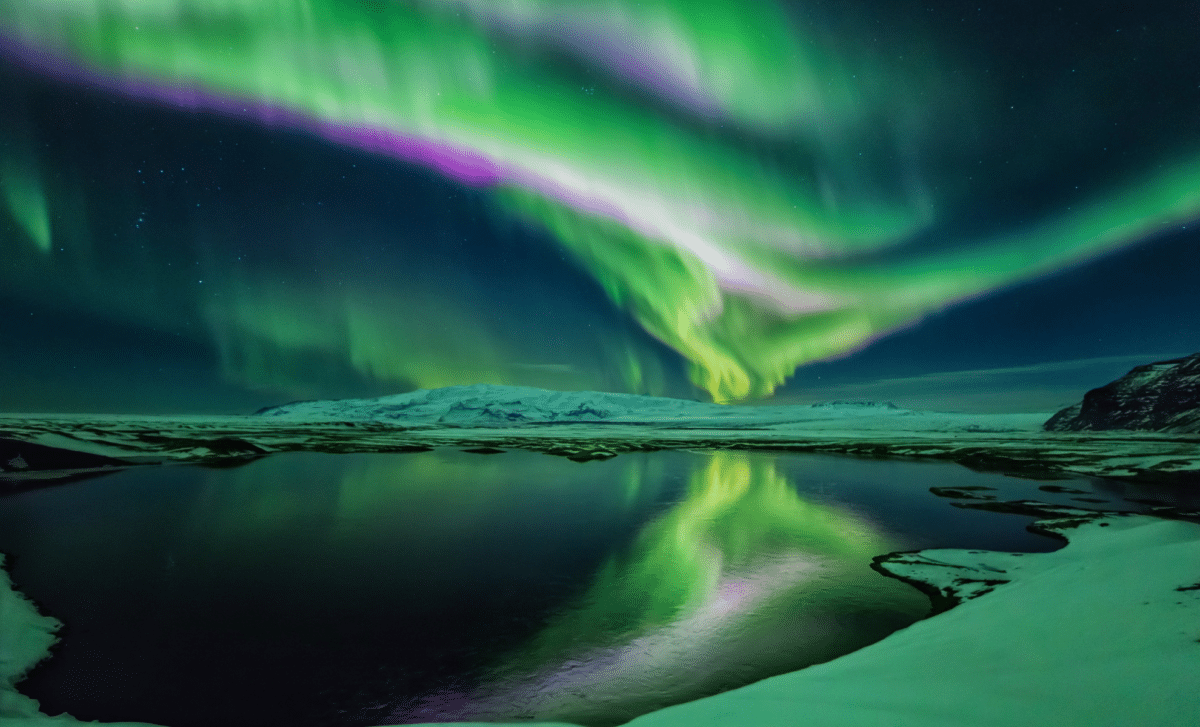
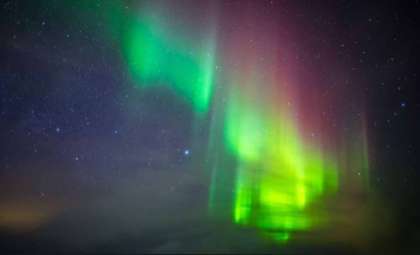
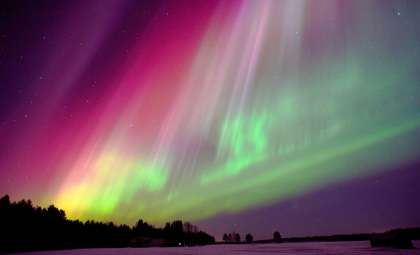
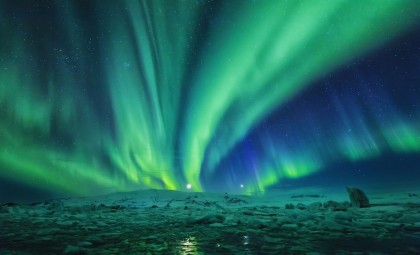
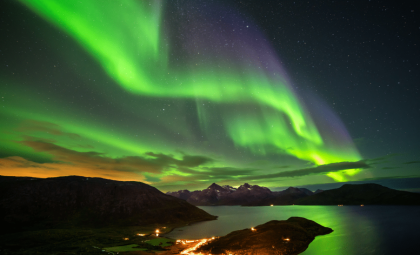
This weekend offers a rare opportunity to observe the enchanting Northern Lights, also known as the aurora borealis. A unique solar wind event is expected to enhance geomagnetic activity between March 28 and 29, 2026, increasing the likelihood of seeing this natural light show in northern skies. According to the National Oceanic and Atmospheric Administration (NOAA), fast-moving solar particles will interact with Earth's magnetic field, creating vivid auroras, especially near the Arctic Circle.
Understanding the Northern Lights Phenomenon
The auroras result from energetic solar particles colliding with atmospheric gases, leading to the emission of colorful light displays. The intensity of these geomagnetic storms depends on solar activity levels. NOAA scientists track these solar wind streams combined with Earth's magnetic conditions to forecast aurora occurrences with growing precision.
While unpredictable in the past, innovations in space weather forecasting enable better predictions of geomagnetic disturbances and aurora visibility. Although March 27th’s conditions are forecasted to be mild, the surge in solar wind velocity on March 28th promises stronger geomagnetic effects and increased chances for auroras, particularly for northern latitude observers.

Best Locations and Timing for Aurora Viewing
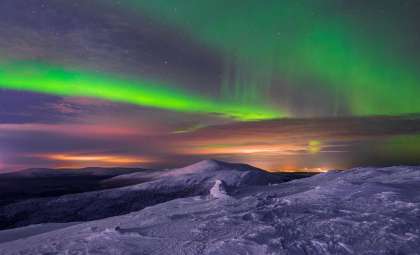
Regions situated closer to the poles generally have the highest likelihood of experiencing auroral displays. Locations near the Arctic Circle—including Alaska, northern Canada, and parts of Scandinavia—are excellent vantage points. In case of intensified geomagnetic storms, sights of the Northern Lights may extend further south, reaching northern sections of the U.S. and Europe.
Optimal viewing times are expected to occur late on March 28th through the night of March 29th. For the best experience, seek dark, clear skies away from urban light pollution, where the luminous colors of the auroras will stand out most vividly.
How to Maximize Your Northern Lights Viewing Experience
Choosing a location free from artificial lighting is key to fully appreciating the auroras. Position yourself with an unobstructed view facing north to observe the light display. Additionally, staying tuned to current space weather forecasts enhances the chances of catching peak activity.
NOAA’s 30-minute aurora forecasts provide live updates on solar winds and magnetic disturbances, crucial for timing your viewing. Several mobile apps also offer real-time aurora forecasts tailored to your exact location, helping enthusiasts plan effectively for this extraordinary spectacle.
- Categories:
- News




0 comments
Sign in to Comment