
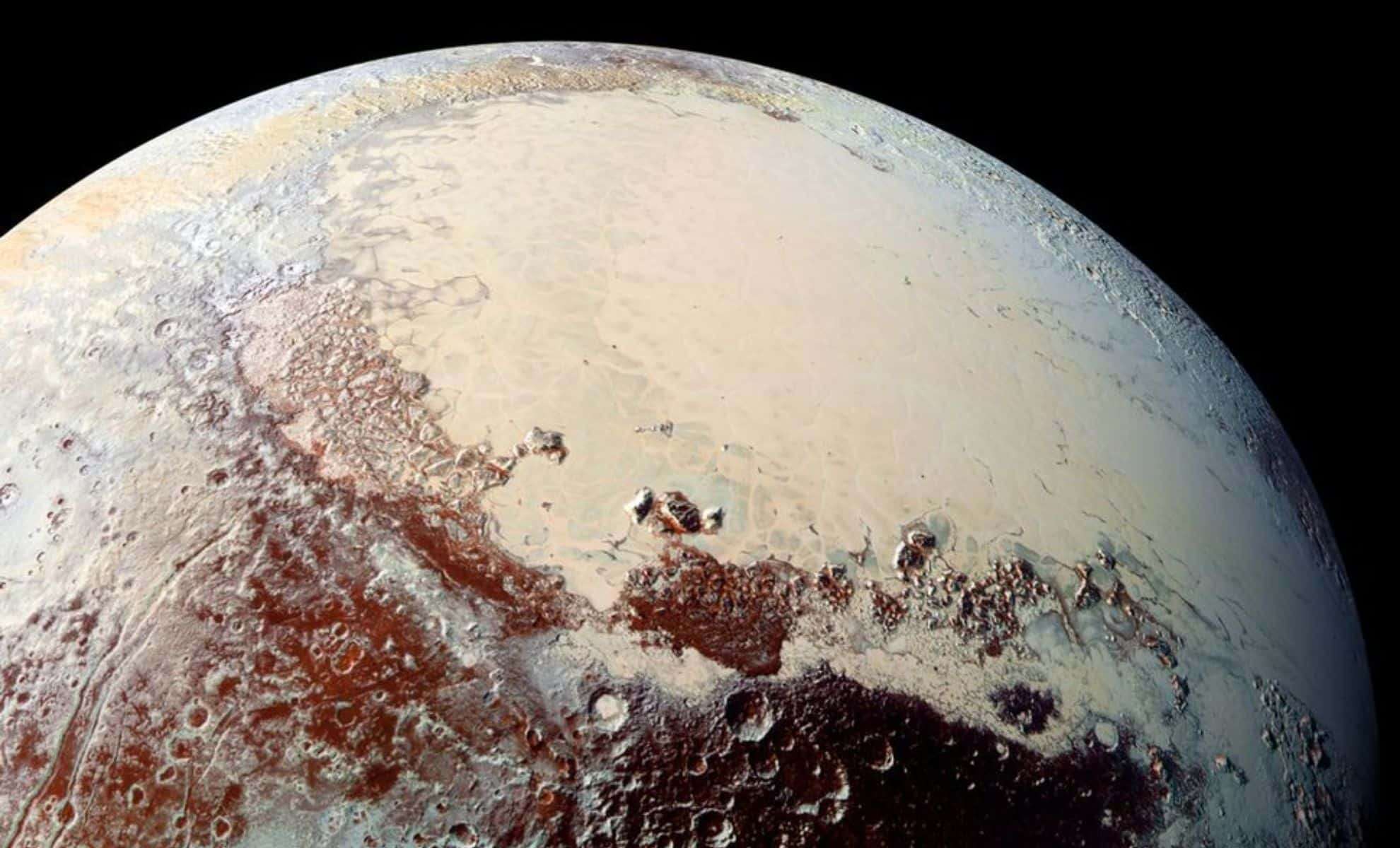
Researchers have identified a mysterious depression on Pluto that might not be an ancient impact crater but rather the collapsed caldera of a massive icy supervolcano which erupted just a few million years ago. Insights from NASA’s New Horizons mission hint at active geologic processes, indicating a hidden reservoir of liquid water beneath Pluto's icy exterior that may fuel these cryovolcanic events.
Unique Supervolcano Found in the Outer Solar System
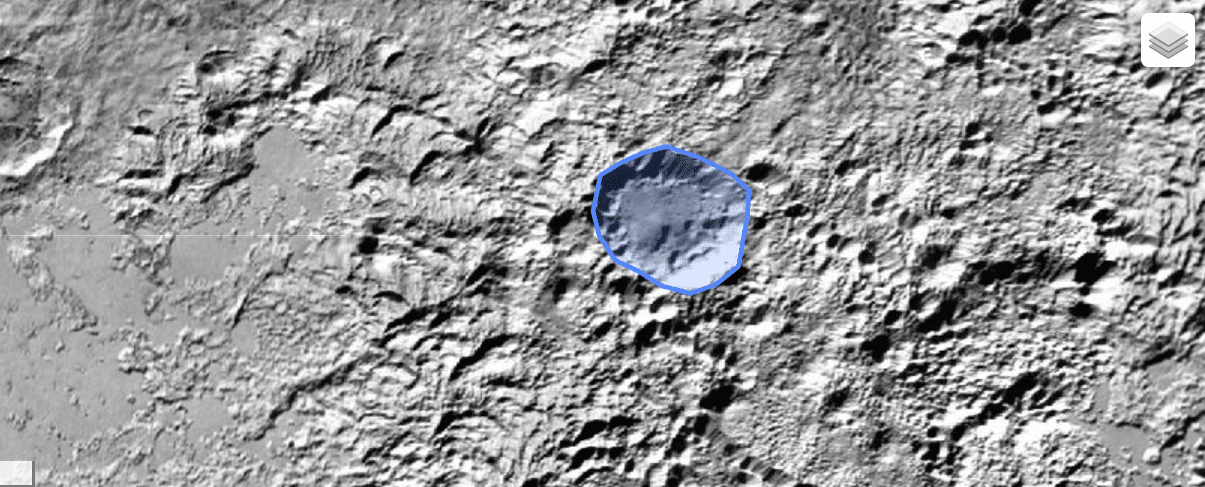
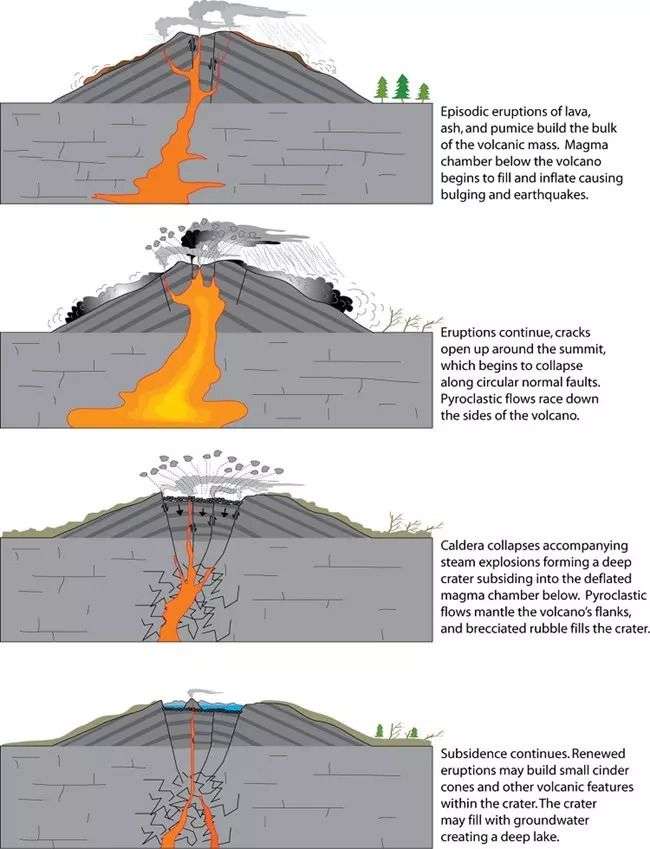
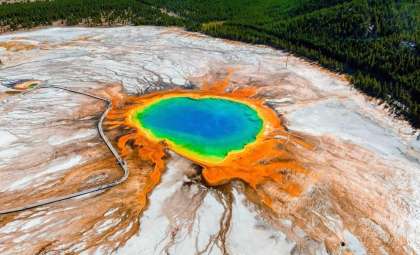
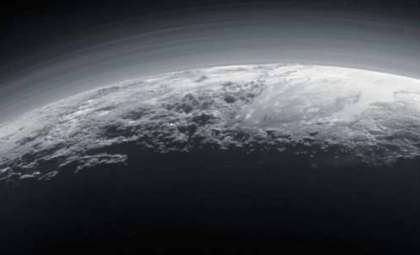
During its 2015 flyby, the New Horizons probe captured detailed images of Pluto, revealing unexpected surface features. One of these is Kiladze, originally thought to be an impact crater. However, recent analysis by planetary scientist Al Emran from the Jet Propulsion Laboratory suggests that Kiladze resembles a volcanic caldera similar to Yellowstone, but instead of molten lava, it expelled cryomagma—a mixture of water, ice, and ammonia.
The enormous size and extreme depth of Kiladze challenged previous assumptions. Spanning approximately 27 miles (44 kilometers) in diameter and plunging nearly 2 miles (3 kilometers) deep, it is much deeper than typical impact craters of similar size. “Its exceptional depth,” Emran stated, “combined with the absence of a central peak, strongly supports a volcanic origin rather than an impact.” Moreover, geological activity on Pluto should normally fill in such depressions over time, yet Kiladze remains unusually deep.

Clues Encased in Pluto’s Icy Surface
Scientists discovered that around the crater, the ice contains enhanced amounts of water ice mixed with ammonia, a compound rarely found elsewhere on Pluto. Since ammonia lowers the freezing point of water, it could enable subsurface liquid reservoirs to remain stable across millions of years. According to Emran, “Ammonia likely facilitates flow within the icy layers,” and tectonic forces may have pushed this volatile mixture upward to erupt explosively.
It’s estimated that the Kiladze eruption discharged up to 240 cubic miles (1,000 cubic kilometers) of cryomagma over the surrounding landscape. Some regions expose water ice deposits extending beyond 60 miles (100 kilometers) from the crater, while finer materials may be spread across much vaster distances, possibly reaching a thousand kilometers.
Importantly, ammonia’s persistence also offers a timing clue. Given that solar wind and cosmic rays would degrade pure ammonia over time, finding it near Kiladze implies the cryovolcanic activity occurred fairly recently—within the past three million years.
Insights Into Pluto’s Concealed Ocean
For years, scientists have speculated about a subsurface ocean beneath Pluto’s crust, and Kiladze’s volcanic nature has reignited this idea. Active volcanism indicates the presence of an internal heat source, hinting that Pluto’s interior may retain enough warmth to prevent all water from freezing solid.
Dale Cruikshank, a planetary scientist from the University of Central Florida and co-author of the study, remarked, “Even a thin organic haze would obscure the water ice signature we observe; since the ice near Kiladze remains visible, the eruption must have been geologically recent.”
If Pluto can sustain internal heat over billions of years—possibly aided by radioactive decay in its core—then isolated pockets of liquid water, or even a global ocean, might exist beneath its crust.
This concealed ocean could explain Pluto’s surprising geological activity and offer a site for unusual chemical processes or even primitive life forms. “A 3-million-year-old eruption at Kiladze suggests that Pluto’s interior could still harbor residual warmth today,” Emran concluded.
- Categories:
- News



0 comments
Sign in to Comment