
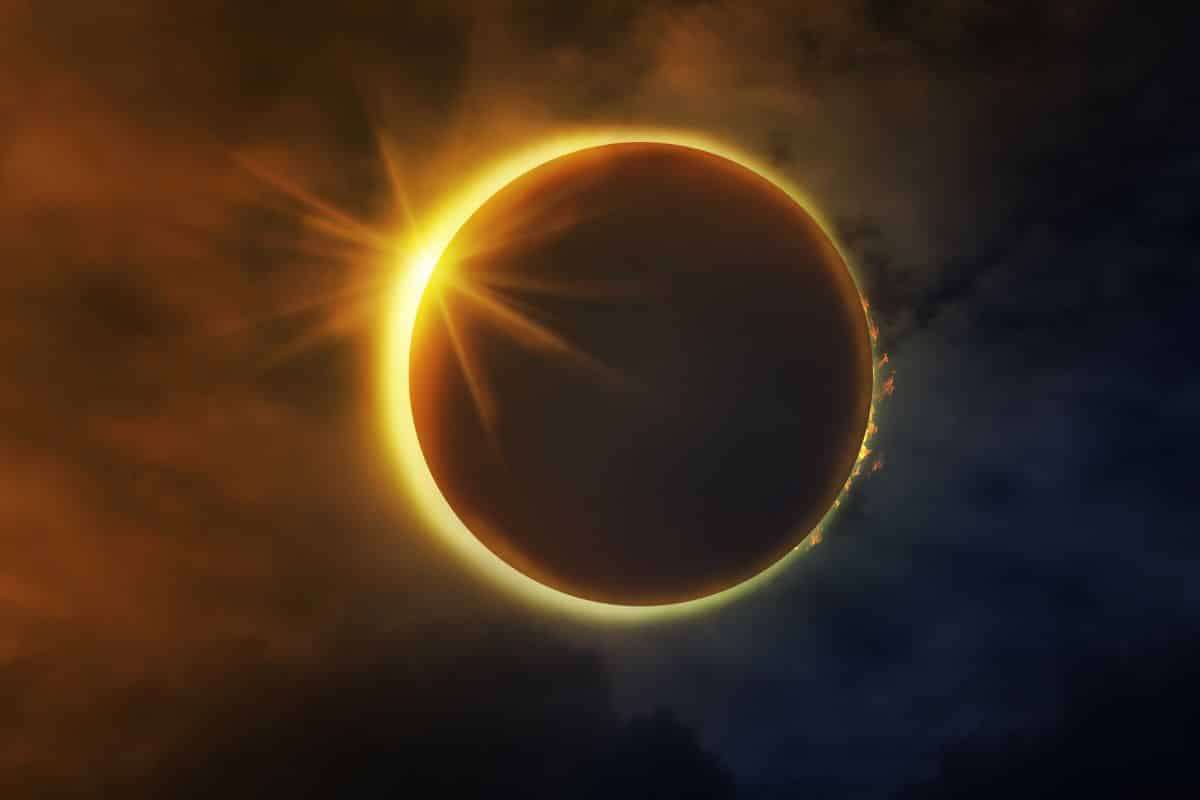
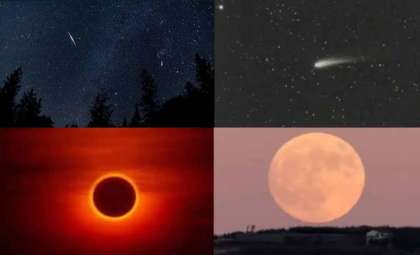
On March 29, observers in many parts of the Northern Hemisphere will witness a unique celestial event: a supermoon happening during the Moon’s new phase, coinciding with a partial solar eclipse that creates a captivating “devil horns” pattern in the sky.
Understanding the New Supermoon and Its Distinctive Features
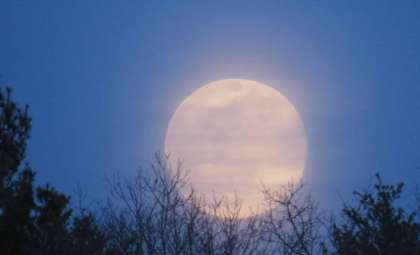
A supermoon takes place when the Moon reaches perigee, its nearest point to Earth in its elliptical orbit. This proximity makes the Moon appear somewhat larger and brighter than usual. While bright full supermoons commonly draw attention due to their radiant glow, this upcoming supermoon differs as it occurs during the new Moon phase.
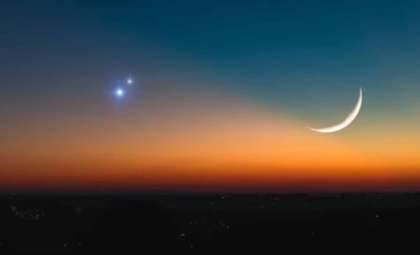
In contrast to full moons, a new Moon is nearly invisible from our viewpoint on Earth because its illuminated side faces away, showing only a dark silhouette that’s hard to spot in light-polluted skies. However, the new supermoon on March 29 carries added significance as it aligns with a solar eclipse.

The Phenomenon Behind the ‘Devil Horns’ Solar Eclipse
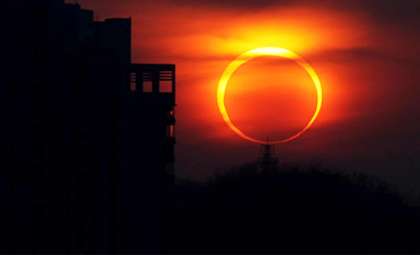
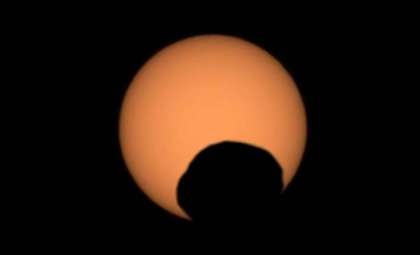
Coinciding with perigee, the Moon will also transit directly between Earth and the Sun, producing a partial solar eclipse. During this event, the Moon covers part of the Sun’s disk, creating a sliver-shaped crescent of sunlight.
When viewed under certain angles, this crescent appears as twin “horns” in the sky, giving rise to the “devil horns” nickname.
This uncommon and striking shape results from the Moon’s edge just grazing the Sun’s surface, creating a partial blockage that enchants both astronomers and eclipse watchers alike without reaching a full eclipse.
Viewing Details: Where and When to Look
The timing of these events is tightly synchronized. The new Moon peaks at 10:58 UTC, while the eclipse attains its maximum phase slightly earlier at 10:47 UTC. The Moon reaches its closest point to Earth at 358,128 km a bit later, on March 30 at 05:26 UTC.
The best vantage points for spotting the eclipse include northwest Africa, the northeastern United States, eastern Canada, Greenland, Europe, and Russia, weather permitting. Those unable to view it live can tune into the Royal Museums Greenwich livestream.
The Lunar Forecast for 2025
This March 29 new supermoon kicks off a busy lunar calendar for 2025. Five new supermoons are scheduled for the year—on March 29, April 27, May 27, June 25, and August 25—though none besides March’s will coincide with a solar eclipse. Another partial eclipse will occur on September 21, visible in New Zealand and Antarctica.
Full supermoons will follow later in the year, beginning with the Harvest Supermoon on October 7. The Beaver Supermoon on November 5 will be the year’s closest at 356,980 km, followed by the Cold Supermoon on December 4.
- Categories:
- Astronomy



0 comments
Sign in to Comment