
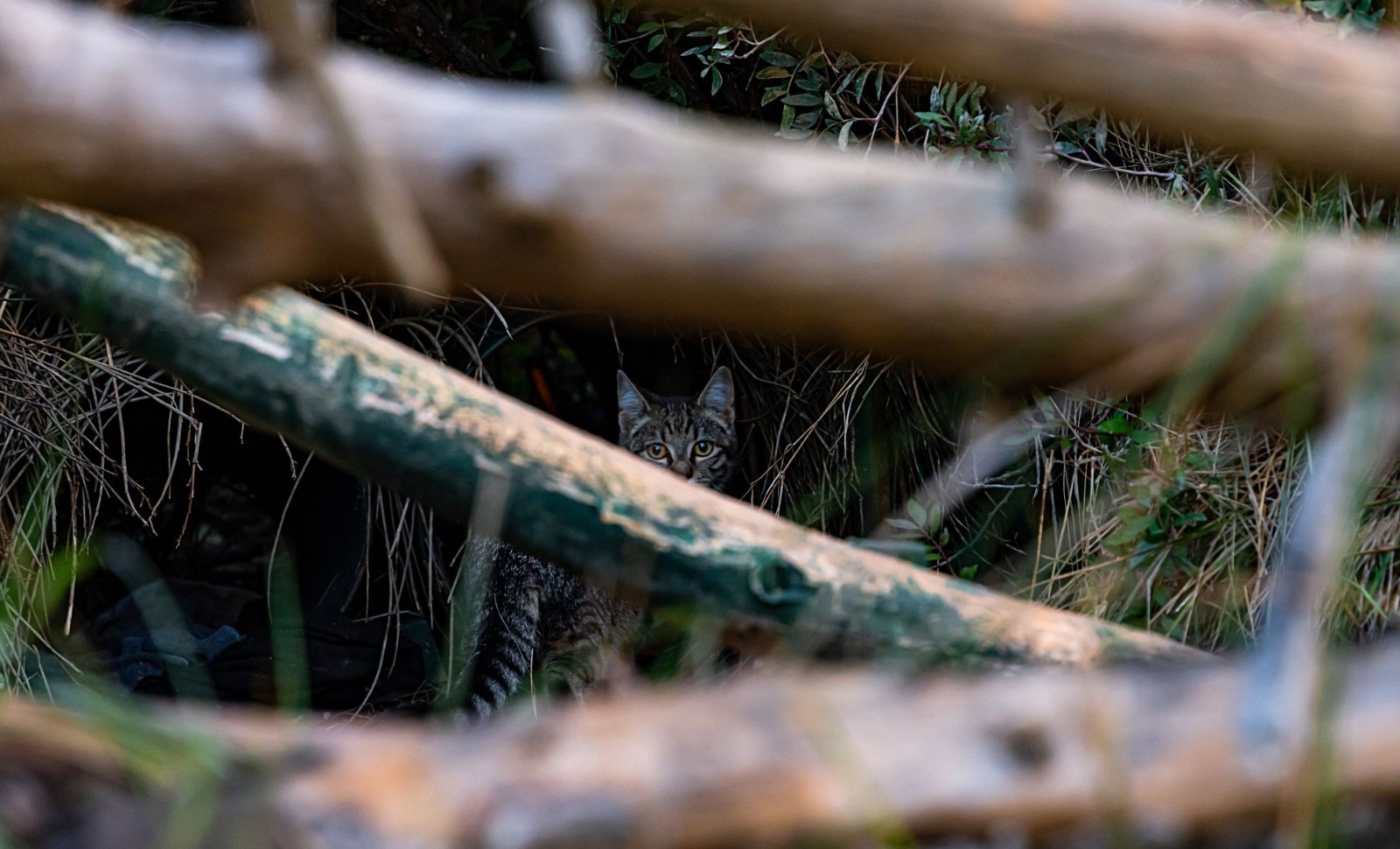
Nearly 30 years had passed without confirmed sightings of the flat-headed cat in Thailand, leading many to believe it had vanished from the region. However, recent camera trap footage has stunningly verified the continued existence of this elusive feline in the Princess Sirindhorn Wildlife Sanctuary during late 2024 and early 2025, revealing that it still inhabits southern Thailand.
The return of the flat-headed cat (Prionailurus planiceps) is an extraordinary event. This species, distinguished by its unique flattened skull and webbed toes, is highly adapted for hunting in wetlands, especially targeting fish. It was previously thought to have disappeared after its last recorded observation in 1995. Now, the new evidence reminds us that even species believed extinct may persist unnoticed.
Specialized Adaptations for Aquatic Life
Images taken by camera traps deployed by Panthera, an organization dedicated to big cat preservation, capture the flat-headed cat in its natural environment. Thailand’s Minister of Natural Resources and Environment, Suchart Chomklin, noted the significance of this breakthrough for wildlife conservation efforts.

“For decades, the flat-headed cat has been classified as ‘likely extinct,’ but after years of sustained protection, strong scientific partnerships, and community stewardship, we can now celebrate its return to Thailand this National Wildlife Day,” he explained.
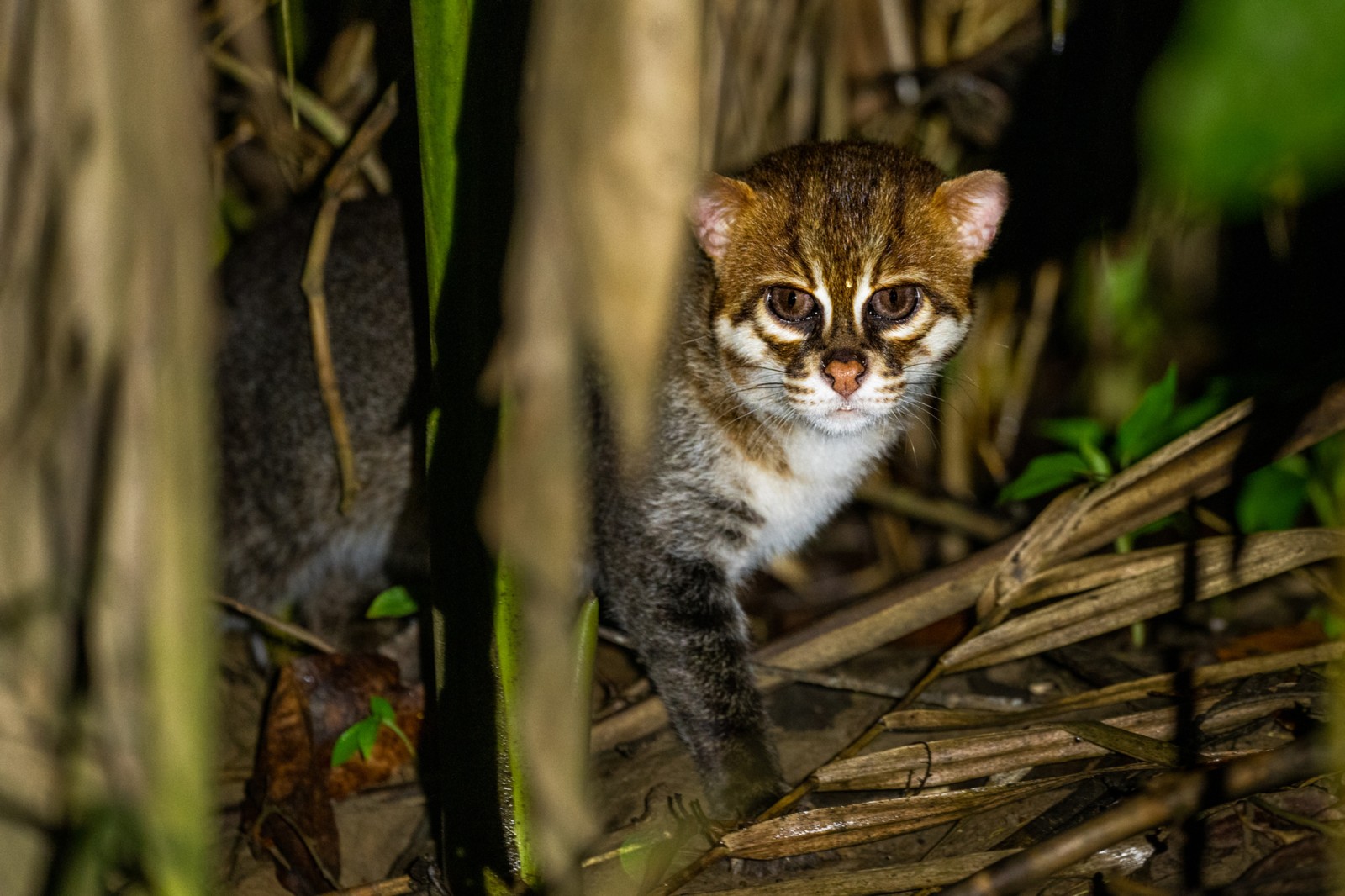
Weighing approximately 4.4 pounds, the flat-headed cat is smaller than many domestic cats. Its most distinctive feature, the flattened head, enhances swimming ability and maneuvering in aquatic settings. With webbed feet, this species expertly navigates flooded forests, primarily feeding on fish and other aquatic animals. Despite its remarkable adaptations, much about the flat-headed cat’s behavior and ecology remains a mystery.
Threats and Conservation Challenges
As reported by Live Science, habitat destruction from deforestation, pollution, and overfishing poses the greatest threats to the flat-headed cat. These critical wetland ecosystems support a rich diversity of species, including this feline. Panthera’s extensive survey, using camera traps, aims to estimate the population size and assess remaining habitat health for the species.
Though the flat-headed cat remains endangered, it has not been overlooked. The International Union for Conservation of Nature (IUCN) listed it as endangered in 2014, a status that persists. This rediscovery offers hope that dedicated efforts could help boost its dwindling numbers. However, conservationists stress that protecting wetlands and forest habitats is vital to securing its survival.
A Beacon of Hope in Wildlife Preservation
The announcement of the flat-headed cat’s presence in Thailand was a heartening milestone amidst ongoing conservation challenges. Photographic evidence not only revealed individual cats but also documented a female with her kitten, indicating successful breeding in the wild. For Wai Ming Wong, the Small Cat Conservation Science Director at Panthera:
“Even species thought to be lost can be rebuilt if we invest in protecting the habitats they depend on. Flat-headed cats’ persistence in Thailand suggests that these ecosystems still hold remarkable biodiversity but also underscores how urgently we must conserve and restore them before they vanish entirely.”
- Categories:
- News









0 comments
Sign in to Comment