
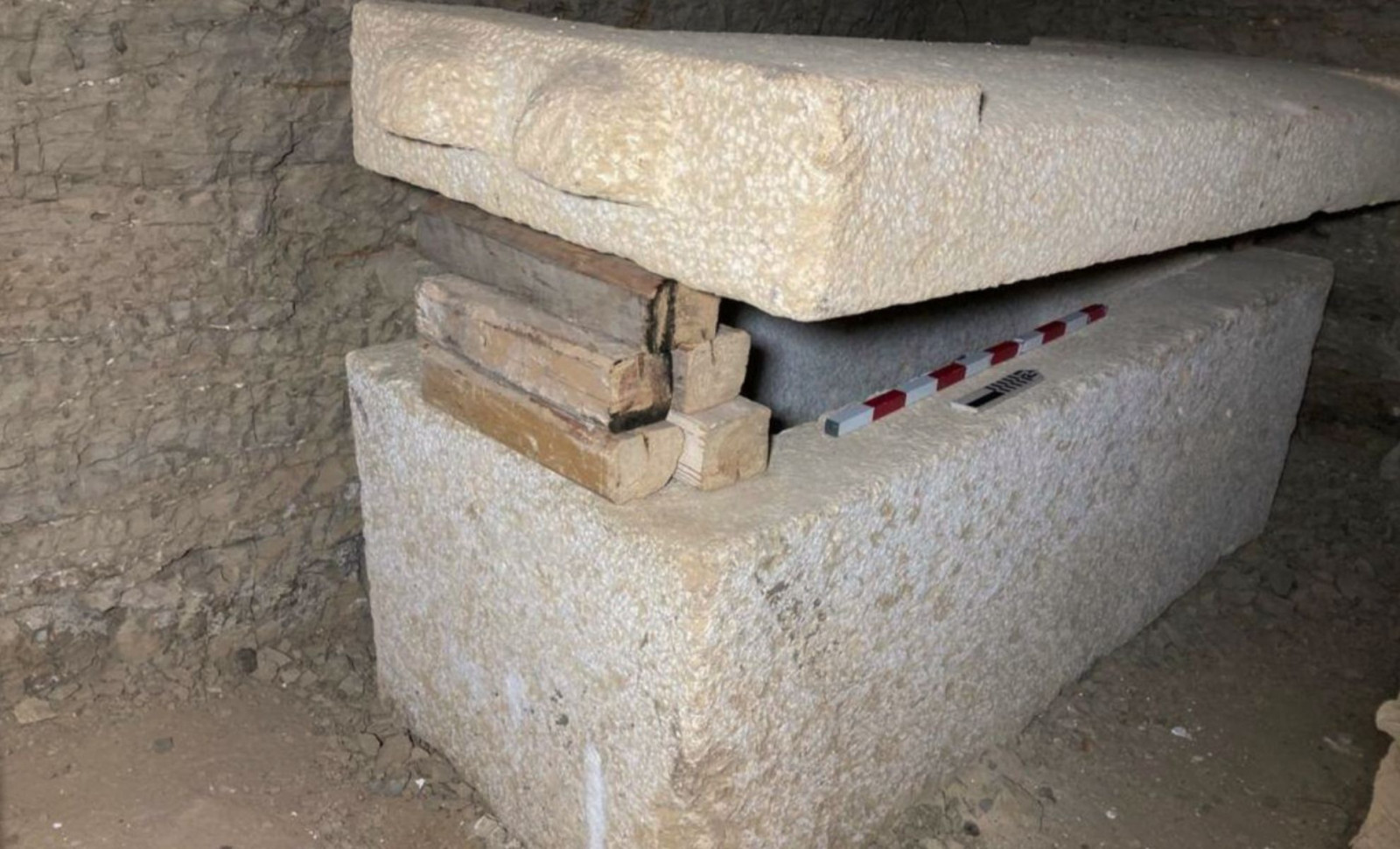
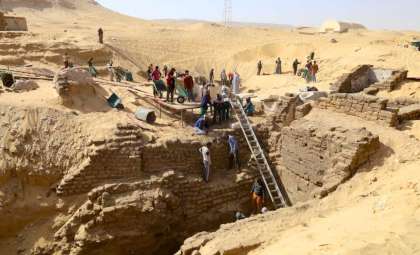
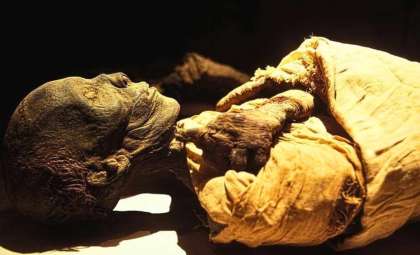
Archaeologists have uncovered a gold-coated mummy that has remained sealed within a tomb for over 4,300 years at the Saqqara necropolis. The limestone coffin, located deep underground, preserved the body in pristine condition.
This significant find is situated in the vast burial grounds of Saqqara near Cairo, a historic necropolis where elite figures were interred for many centuries. Experts, including Zahi Hawass and Egypt’s Supreme Council of Antiquities, date the tomb to the Fifth and Sixth Dynasties of the Old Kingdom era.
While the gilded mummy immediately draws the spotlight, adjacent tombs, sculptures, and artifacts contribute valuable insights into the lifestyles, occupations, and funerary customs of the period.

Sealed Coffin Discovered Beneath a Deep Shaft
Archaeologists found a sealed limestone coffin at the bottom of a 15-meter (49-foot) deep shaft, still secured with ancient mortar. Inside rested the well-preserved mummy identified as Heka-shepes, whose name was inscribed within the burial chamber.
“I put my head inside to see what was inside the sarcophagus: a beautiful mummy of a man completely covered in layers of gold,” Zahi Hawass said, as quoted by Associated Press.
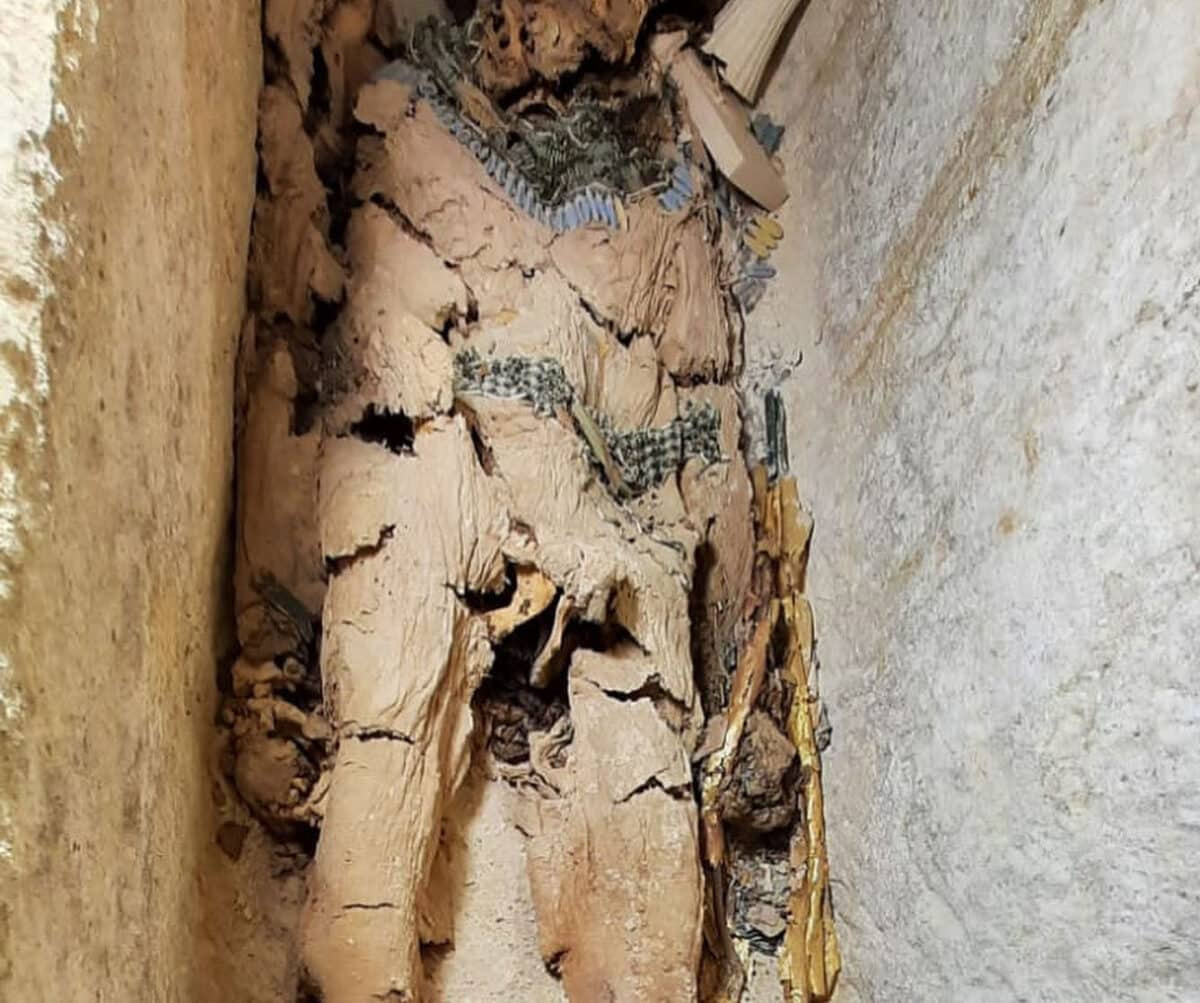
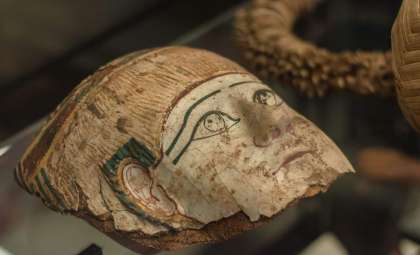
Finds this well-preserved within Saqqara are uncommon, as many tombs in the area were looted long ago. The golden face covering immediately caught researchers’ eyes due to such items usually being removed by grave robbers, making its intact state remarkable.
The Role of Gold in Ancient Burials
Gold was not merely ornamental; it held deep spiritual significance in ancient Egypt, symbolizing divine qualities and often described as the flesh of the gods meant to endure eternally. Thin sheets of gold were meticulously laid over the mummy’s wrappings and secured using resin, which also served to retard decomposition over time.
This highly elaborate burial was typical of a privileged few, requiring considerable resources and expert craftsmanship beyond most people's reach. This indicates that Heka-shepes held a significant social or political role. At the time, status was determined not only by wealth but also by one’s position, influence, and access to power.
Contextualizing the Discovery Amid Nearby Burials
The tomb is part of a complex funerary environment consisting of notable neighboring burials. Nearby tombs belonged to a royal pyramid priest and a palace official, reflecting close ties among high-status individuals.
“This discovery is so important as it connects the kings with the people living around them,” stated Ali Abu Deshish, another archaeologist involved in the excavation.
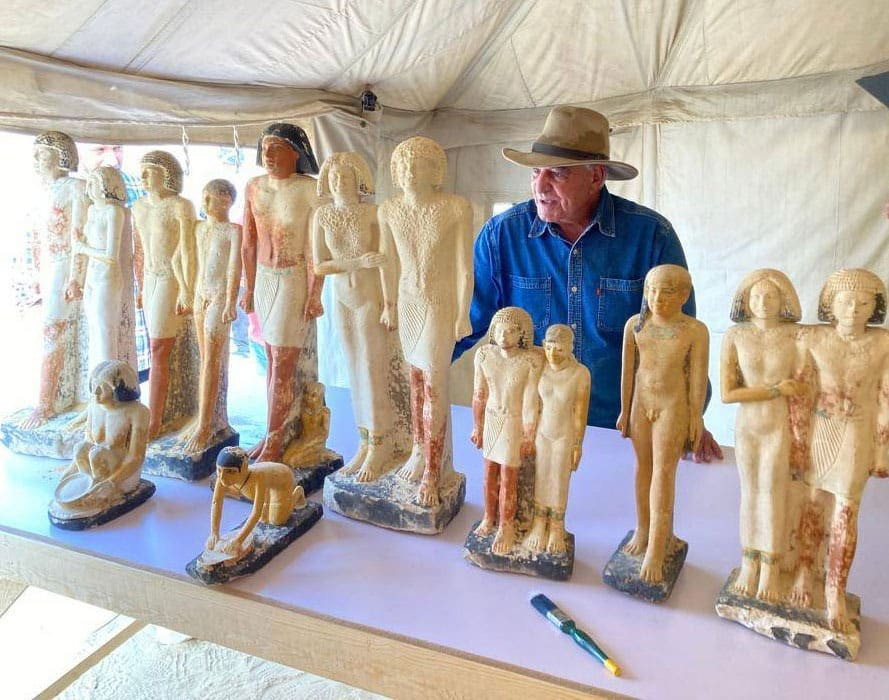
Additional finds include limestone and wooden statues, several connected with an individual named Fetek. These statues served as symbolic representatives for the deceased, receiving offerings on their behalf. Other small artifacts such as amulets, ceramic items, and stone containers were also discovered, shedding light on ancient burial traditions and everyday life in that era.
- Categories:
- Science


0 comments
Sign in to Comment