

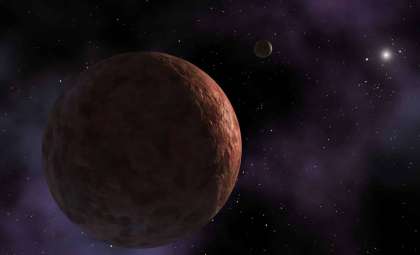
A remarkable exoplanet named HD 143811 AB b has been identified orbiting a binary star system, reminiscent of the iconic two-sun world from Star Wars. What sets this planet apart is its unexpectedly long orbital duration—it takes an incredible 300 years to circle its parent stars.
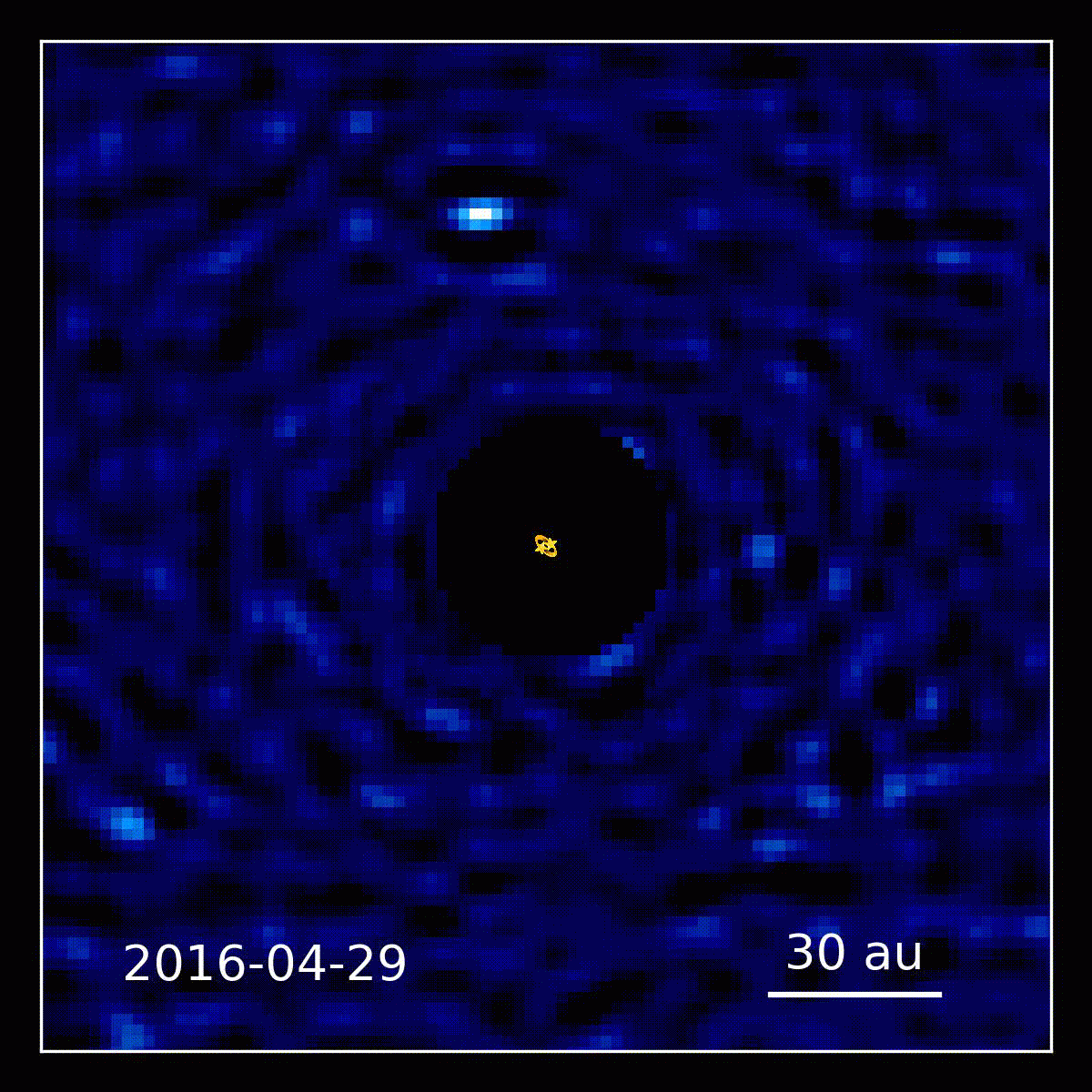
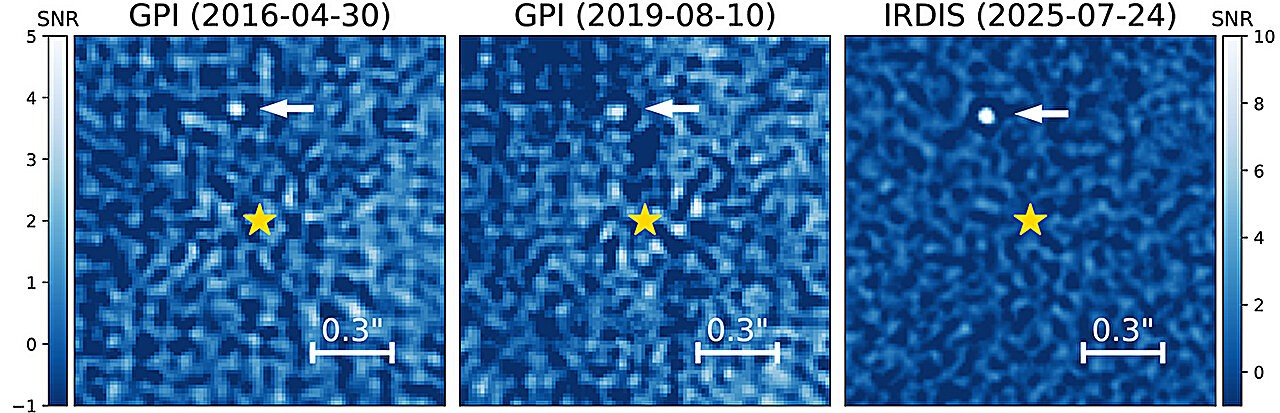
Initially spotted in observations made by the Gemini South telescope in 2016, the significance of this planet only emerged after astronomers re-examined archived data. While HD 143811 AB b lies relatively close to its twin stars, its slow orbit defies conventional expectations, prompting new questions about how planets form and move in multi-star systems.
Unearthing a Stellar Treasure from the Archives
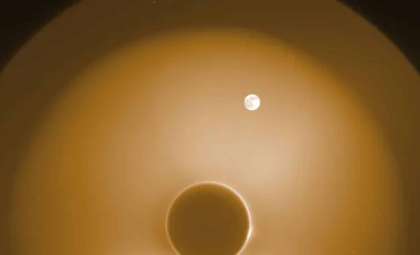
The revelation of HD 143811 AB b was detailed in The Astrophysical Journal Letters. The breakthrough didn’t come from fresh observations but from a meticulous review of decade-old data taken by Gemini South’s Gemini Planet Imager (GPI). Operating between 2014 and 2022, GPI employed a coronagraph to block out the bright glare of stars, enabling direct imaging of faint exoplanets. Though many stars were examined, only a handful of planets were detected during this period.

Jason Wang, an expert in exoplanet imaging from Northwestern University, revisited this archive while preparing for an upgrade to the GPI 2.0 instrument.
“I didn’t think we’d find any new planets,” Wang explained. “But I thought we should do our due diligence and check carefully anyway.”
This careful approach paid off when the team spotted a dim object that appeared to be moving with a star. Additional data from the W.M. Keck Observatory helped confirm the presence of HD 143811 AB b, a planetary body previously missed.
An Unusually Long Orbit Around Twin Suns
At roughly six times the size of Jupiter, this exoplanet’s orbital period is a staggering 300 Earth years, despite orbiting much closer to its stars than is common for planets in binary systems—approximately six times closer than other similar exoplanets.
The pair of stars it orbits complete their own tight embrace every 18 days. Yet, HD 143811 AB b’s exceptionally prolonged orbit remains puzzling. As Wang notes, the lengthy orbital cycle poses challenges to current planetary dynamic models and is “still uncertain” in terms of its broader implications.
Exploring Planets Around Binary Stars
While binary star systems are widespread, planets orbiting two stars are uncommon. Most exoplanet discoveries involve single-star systems, which makes binary planet dynamics more complex to investigate. HD 143811 AB b is relatively young, aged around 13 million years, and still retains some heat from its formation period, making it a prime candidate for studying how such planets evolve. According to Nathalie Jones from the Center for Interdisciplinary Exploration and Research in Astrophysics (CIERA):
“We want to track the planet and monitor its orbit, as well as the orbit of the binary stars, so we can learn more about the interactions between binary stars and planets.”
The forthcoming GPI 2.0 upgrade will offer higher precision data to deepen our understanding of systems like HD 143811 AB b and the mysteries of planet formation in binary environments.
- Categories:
- News









0 comments
Sign in to Comment