
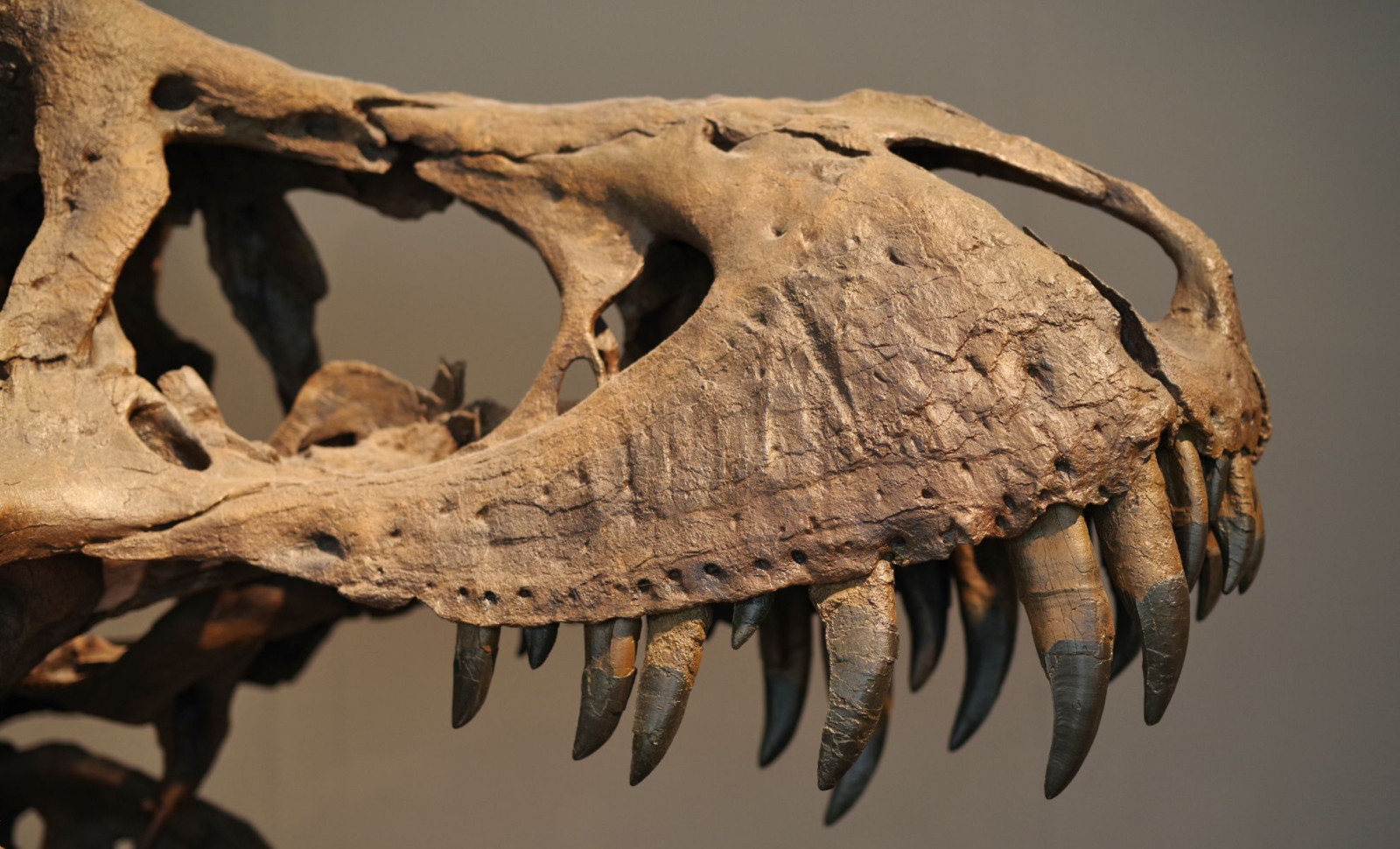
Could it be that humans were never meant to age as rapidly as they do? A scientist proposes that the evolutionary pressures from the dinosaur era pushed mammals to prioritize rapid reproduction over longevity. This theory comes from João Pedro de Magalhães, a microbiologist at the University of Birmingham, who suggests that the presence of apex predators shaped aging processes that persist in humans today.
This perspective offers a fresh approach to understanding aging, framing it not simply as a biological endpoint but as a result of survival strategies developed over millions of years, where the emphasis was on reaching reproductive age quickly rather than extending lifespan.
Evolution’s Impact on Lifespan
During the Mesozoic Era, mammals weren’t dominant creatures. Coexisting with giant dinosaurs like T. rex, early mammals occupied lower tiers of the food web. According to João Pedro de Magalhães, these animals were small, nocturnal, and had relatively brief lifespans.

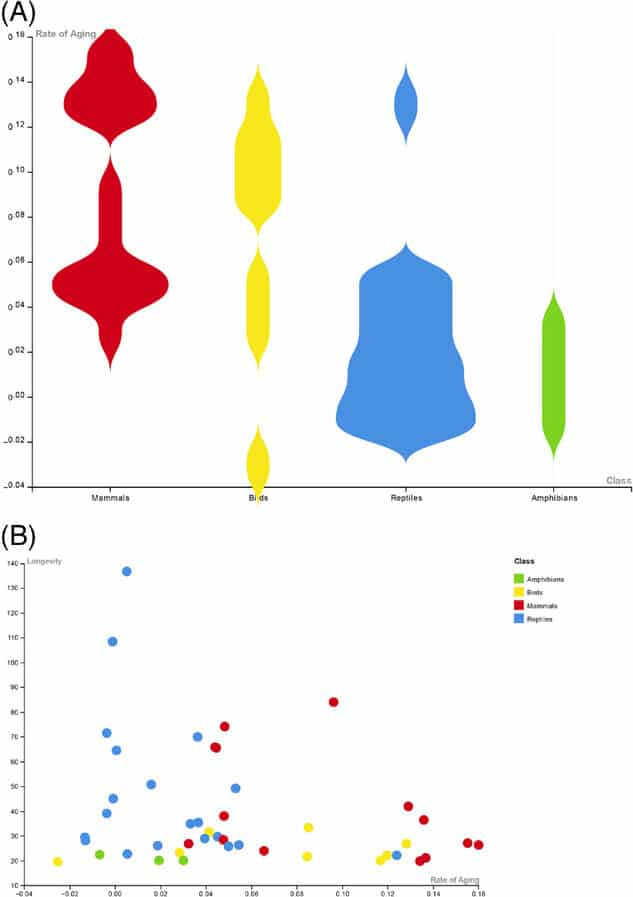
In such a perilous ecosystem, longevity offered little advantage. As published in BioEssays in 2023, natural selection favored species that could reproduce quickly and often. This evolutionary pressure sustained for over 100 million years, profoundly influencing mammalian development.
“Some of the earliest mammals were forced to live towards the bottom of the food chain, and have likely spent 100 million years during the age of the dinosaurs evolving to survive through rapid reproduction. That long period of evolutionary pressure has, I propose, an impact on the way that we humans age,” said the researchers in a press release published by the University of Birmingham.
The Lasting Effect of an Evolutionary Bottleneck
The concept, which de Magalhães names the "longevity bottleneck hypothesis," suggests that early mammals may have lost functional genes related to lifespan extension because these traits provided no survival advantage.
“My hypothesis is that such a long evolutionary pressure on early mammals for rapid reproduction led to the loss or inactivation of genes and pathways associated with long life,” he explained in the study.
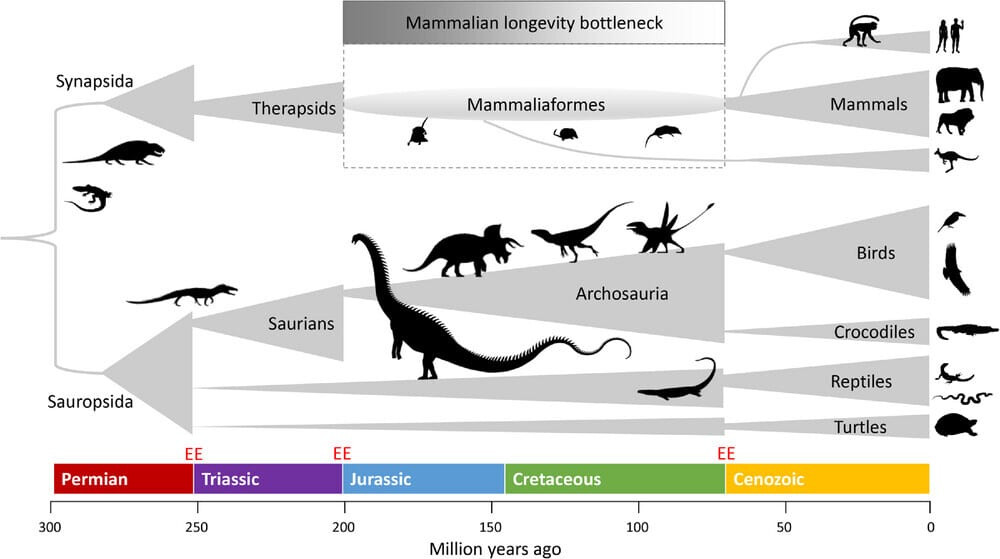
This framework may help clarify why mammals lack the regenerative abilities seen in several other animal groups. These genetic and physiological changes emerged gradually over vast evolutionary timescales.
Limitations Mammals Face Today
The hypothesis also sheds light on specific biological shortcomings. De Magalhães points out that compared to reptiles and some other animals, mammals have a reduced capacity for bodily repair.
He notes features such as the absence of particular enzymes that mend ultraviolet damage and the limited growth of mammalian teeth, contrary to what is observed in many reptilian species. These traits likely vanished as they were unnecessary for creatures adapted to prioritize rapid reproduction and short lifespans.
“While just an hypothesis at the moment, there are lots of intriguing angles to take this, including the prospect that cancer is more frequent in mammals than other species due to the rapid ageing process,” he said.
Although this idea remains under discussion among scientists, it offers a compelling link between human aging and the distant evolutionary era dominated by dinosaurs and relentless threats.
- Categories:
- Science








0 comments
Sign in to Comment