
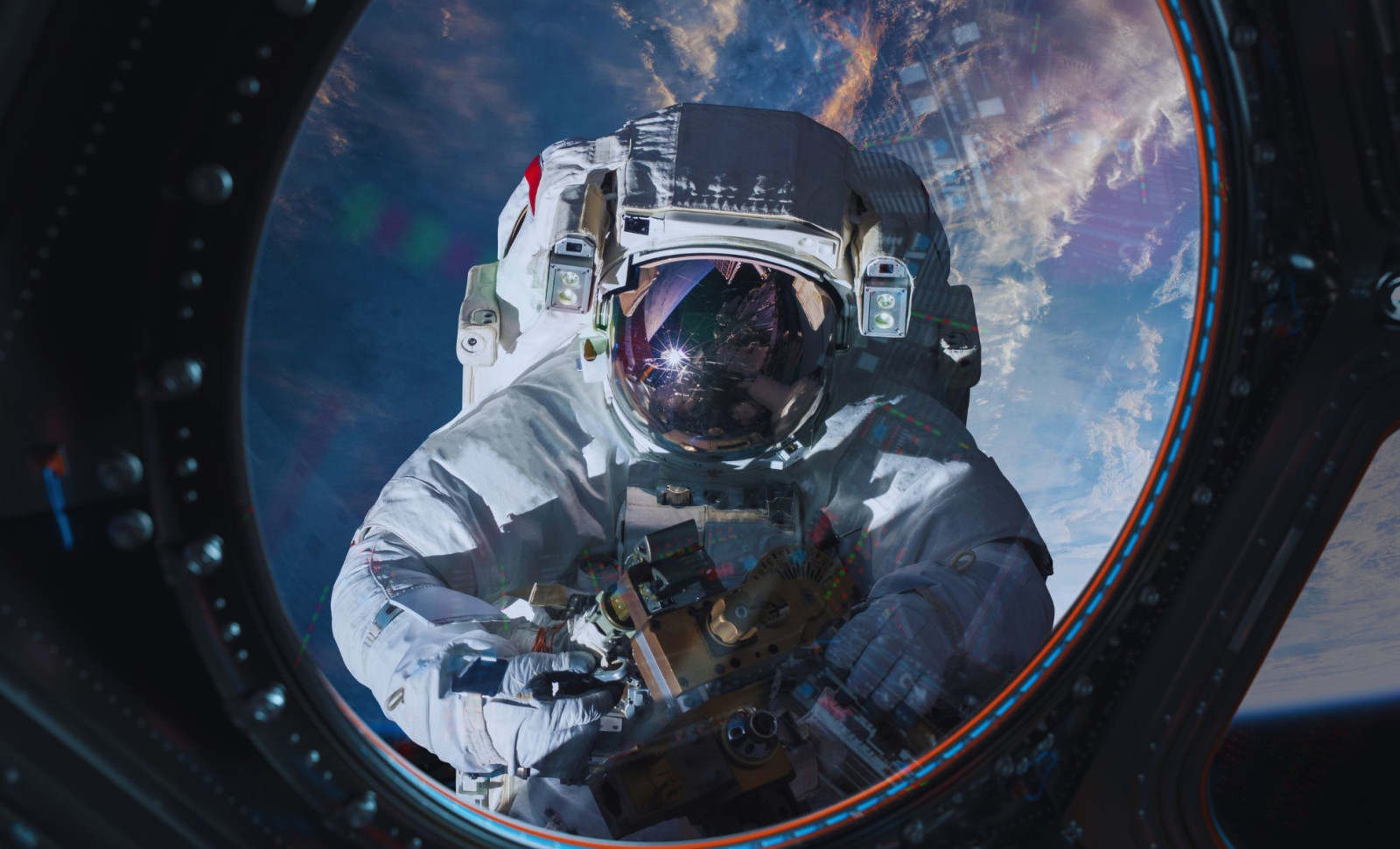
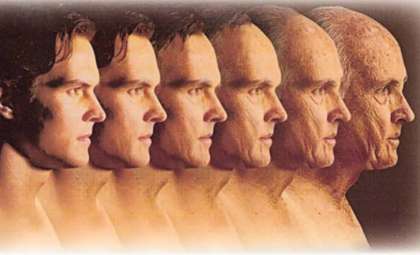
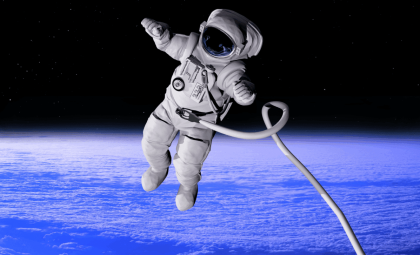
Space travel appears to accelerate biological aging, but the effect may be temporary. A new investigation found that astronauts spending just a few days on the International Space Station exhibited marked signs of biological aging in their bloodstream. Remarkably, after returning to Earth, their biological age not only stabilized but in some cases reversed.
Published in the journal Aging Cell, this surprising discovery highlights the extraordinary adaptability of the human body. Unlike previous studies tracking aging over years, this research monitored aging biomarkers within days.
Rapid Surge in Aging Indicators During Space Mission
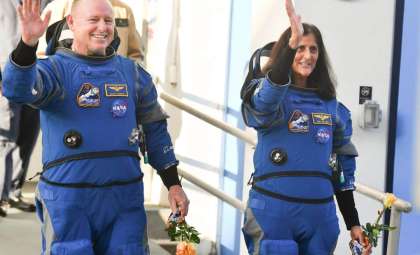
Under the direction of Dr. David Furman at the Buck Institute for Research on Aging, researchers studied four astronauts from the Axiom-2 mission, which launched in May 2023. The team collected multiple blood samples before, during, and after their flight to monitor shifts in epigenetic marks—chemical modifications on DNA that influence gene expression. These epigenetic "clocks" provide a precise estimate of biological age beyond chronological years.

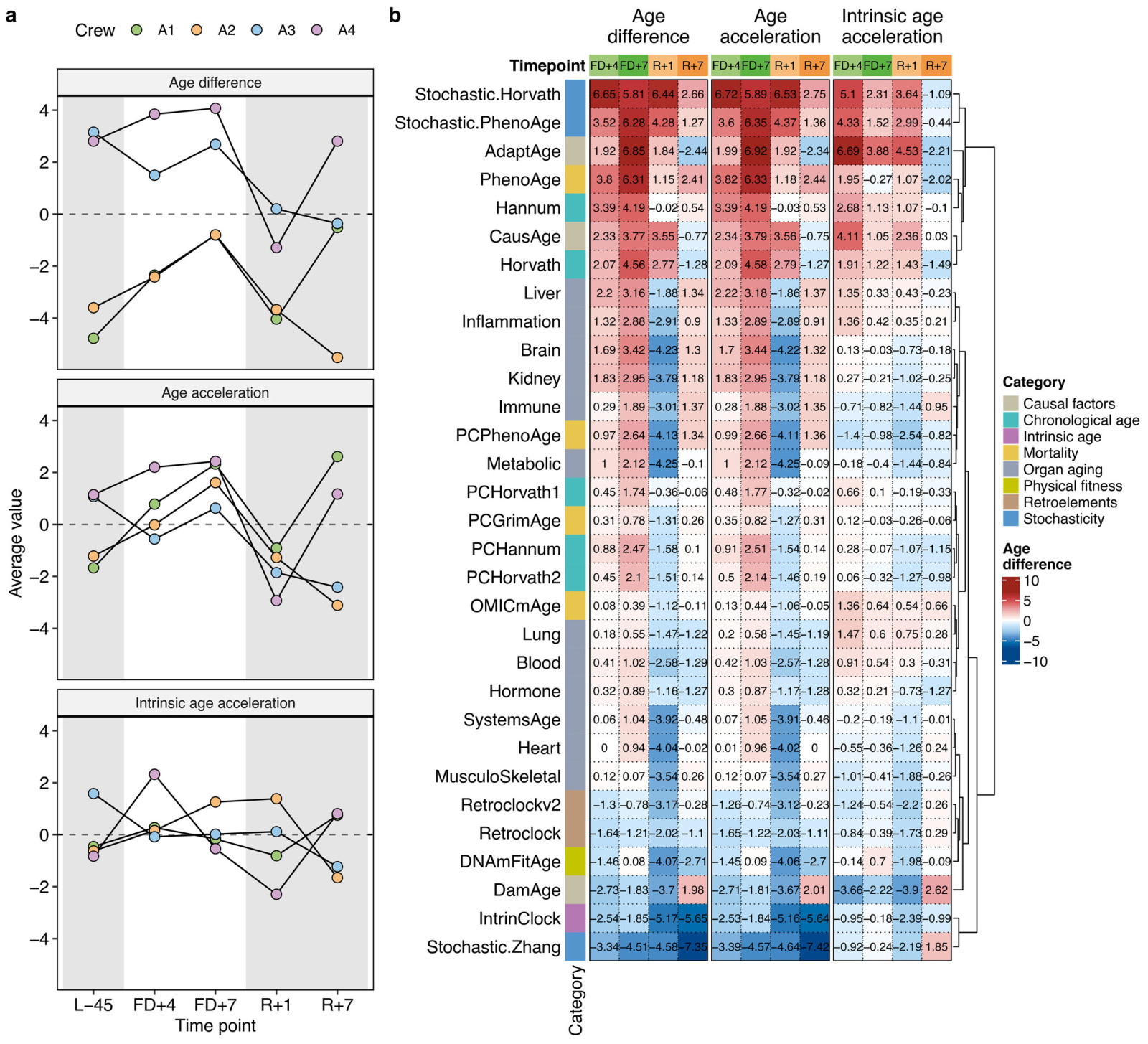
The scientists applied 32 distinct epigenetic clocks to capture a range of biological signals related to longevity, organ function, and cellular health. As outlined in the recent January 2026 publication, many markers showed a significant increase while in orbit. Changes typically unfolding over years on Earth were compressed into just several days in space.
The rapid acceleration can be attributed to the harsh conditions of space, which include microgravity, exposure to cosmic radiation, and disrupted circadian rhythms, all imposing intense physiological stress.
Immune System Fluctuations Drive Aging Signals
The observed aging appeared primarily linked to the immune response. Specifically, shifts in regulatory T-cells—which help modulate inflammation—and naive CD4 T-cells—responsible for defending against new infections—were notable.
The shifts in immune cell populations significantly influenced the epigenetic clock readings, since blood contains a complex mixture of immune cells whose proportions can change the biological age indicators.
To confirm these findings weren’t simply due to immune cell ratio changes, the team adjusted for cell type distributions using a measure called Intrinsic Epigenetic Age Acceleration. Even with these adjustments, evidence showed that biological aging accelerated significantly during the mission.
Biological Age Declines After Return to Earth
Upon returning home, biological age markers didn't just normalize—they dropped below preflight levels for some astronauts, especially younger individuals. Dr. Furman commented:
“These results point to the exciting possibility that humans have intrinsic rejuvenation factors that can counter these age-accelerating stressors.”
In effect, reexposure to Earth's gravity, restored sleep patterns, and a return to a familiar environment appeared to trigger cellular recovery and rejuvenation.
Implications and Future Research Directions
However, the authors caution that this study involved only blood samples. It remains unclear if other tissues like muscle, bone, or brain show similar patterns. The small cohort size also limits generalizability. The absence of a ground-based control group means some effects might be linked to other mission factors such as diet or sleep disruption rather than space alone. Additional studies will be essential to unravel these complexities.
- Categories:
- Science









0 comments
Sign in to Comment