
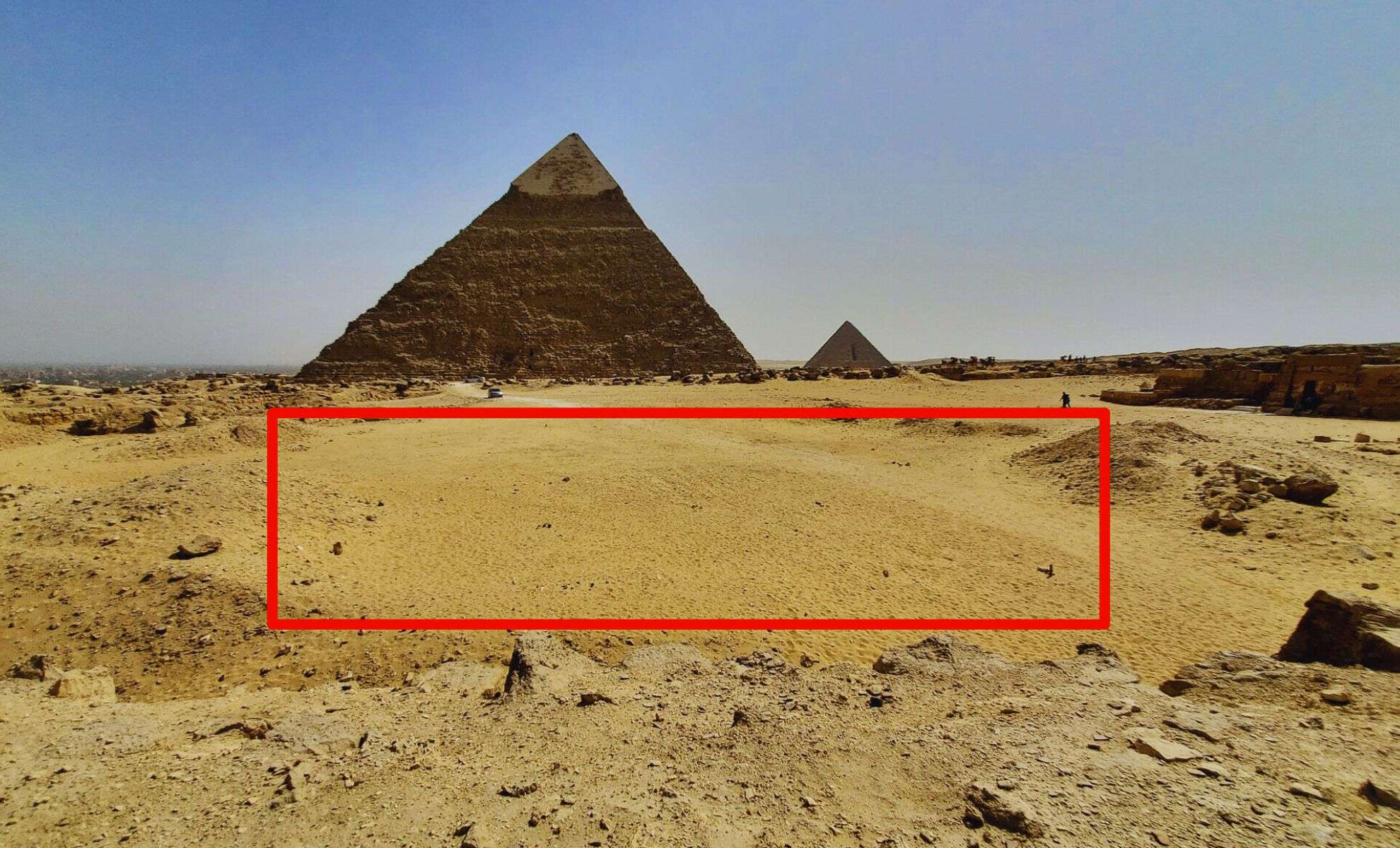
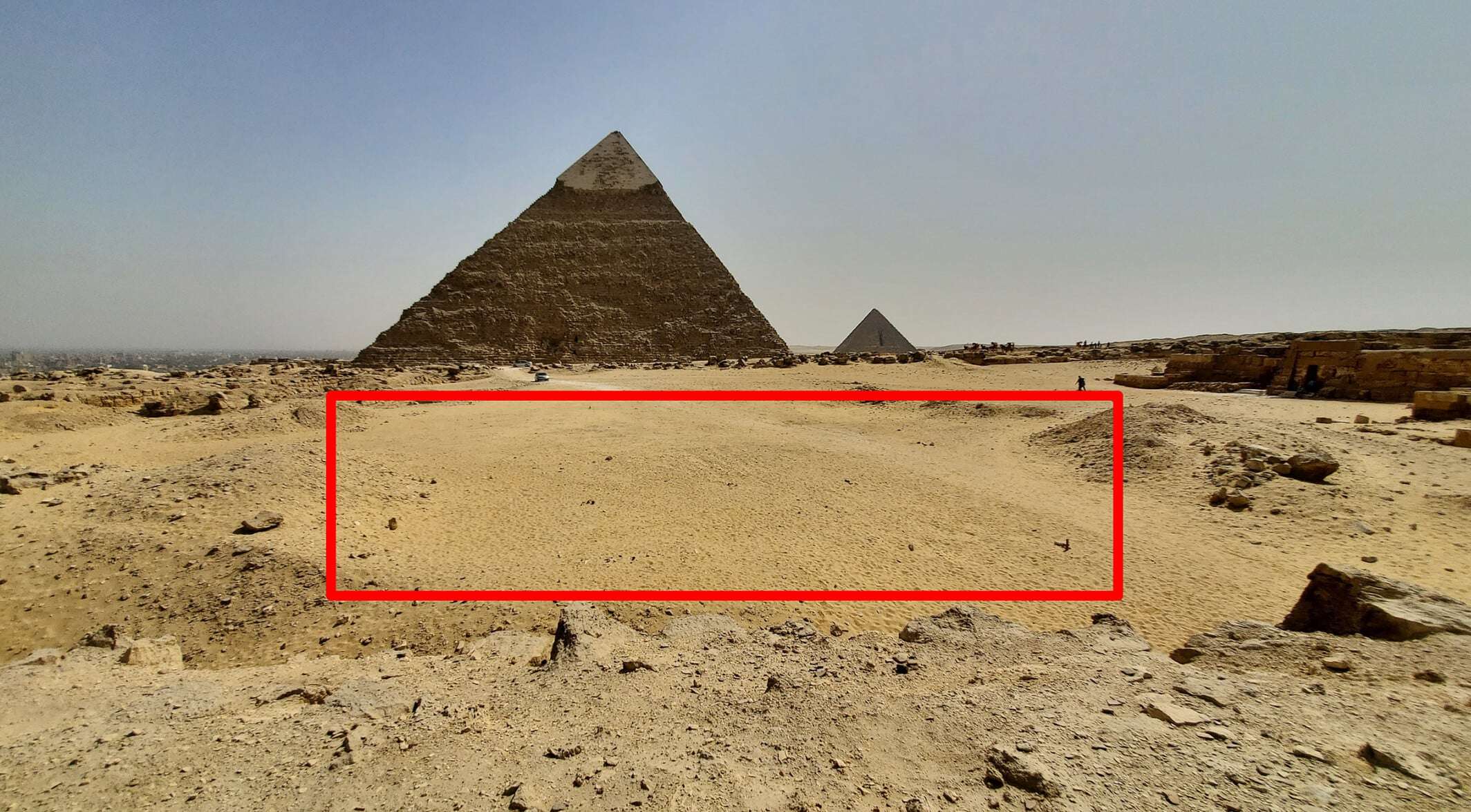
Near the famed Great Pyramids of Giza, a groundbreaking find has sparked new curiosity about concealed spaces beneath the earth. A collaborative team of Japanese and Egyptian scientists applied cutting-edge geophysical methods to identify an unusual formation close to the Western Cemetery, a historically important burial site for royalty. Using ground-penetrating radar (GPR) along with electrical resistivity tomography (ERT), they uncovered an L-shaped feature just below the surface, coupled with a distinctive underground anomaly.
High-Tech Tools Unveil Fresh Discoveries
The Giza Plateau, renowned for its monumental pyramids, has been extensively studied for centuries, yet this recent finding, detailed in the journal Archeological Prospection, proves that even well-explored sites can surprise us.
Led by Motoyuki Sato from Tohoku University, the team utilized non-invasive geophysical survey techniques around the Western Cemetery, home to tombs of high-status individuals. These methods enable a detailed peek underground without disturbing the site physically, preserving the ancient treasures.

Ground-penetrating radar transmits radar waves that bounce back from subterranean objects, mapping their location and shape. Meanwhile, ERT measures the flow of electrical currents below, highlighting differences in material conductivity that may reveal hidden structures. Combining these technologies results in a highly detailed subterranean map, exposing anomalies previously unseen.
Intriguing L-Shaped Formation and Subsurface Mystery
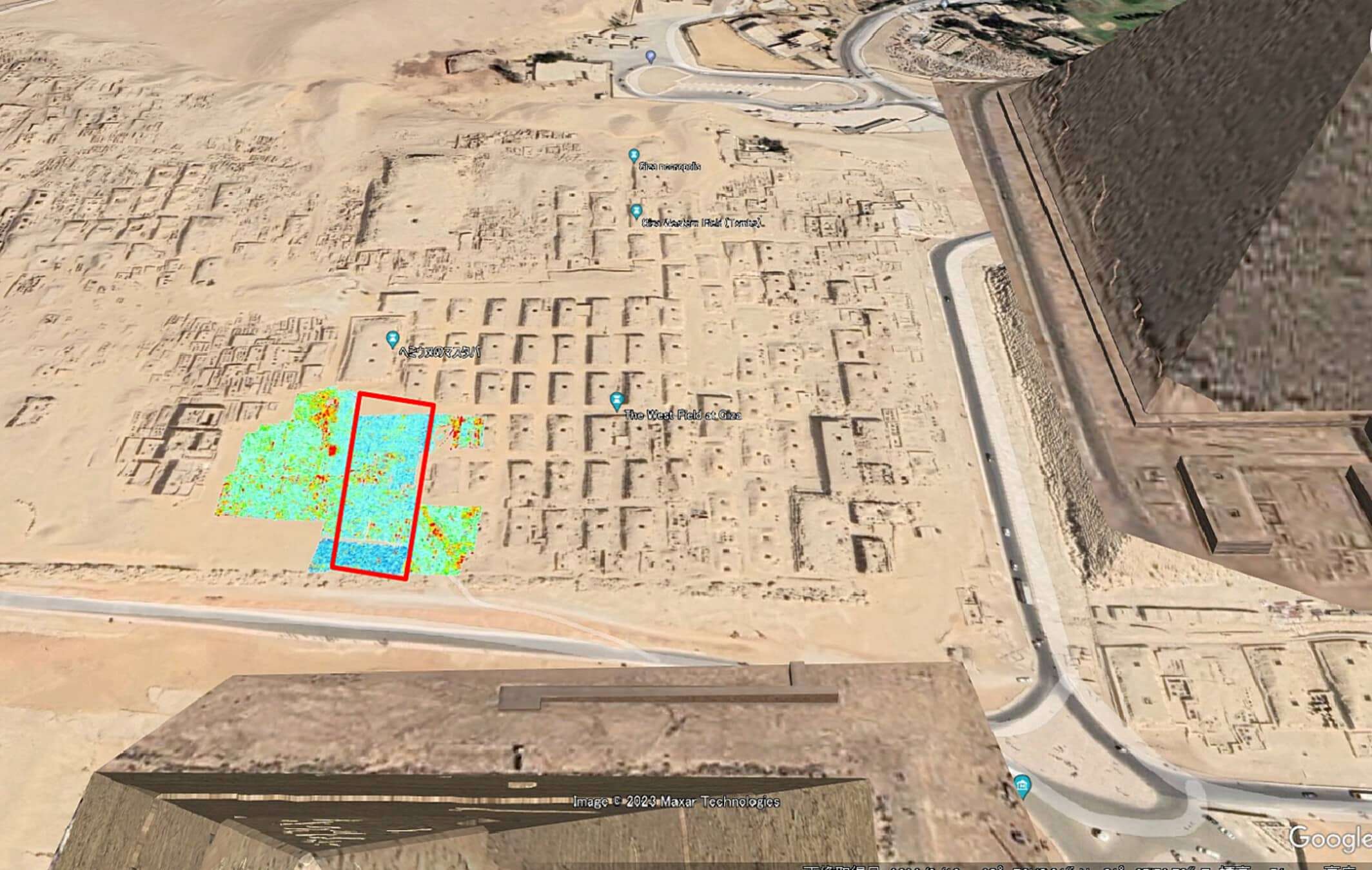
Central to this investigation is an L-shaped configuration lying roughly two meters underground. Its sharp geometric angles indicate a man-made origin, contrasting with more natural, uneven shapes. Interestingly, this L-shape does not correspond to any recognized architectural element from known Giza structures, inspiring speculation that it might mark an entrance to a deeper chamber or network below.
Further below, at depths between 5 and 10 meters, the team detected an electrically resistive anomaly. This indicates an area that hinders electrical current differently than surrounding soils—possibly due to compacted materials like sand or gravel, or even hidden voids, which could be ancient passages or chambers. Despite these promising signs, more research is necessary to ascertain the nature and significance of this obscure formation.
Broader Impact on Understanding Giza’s Burial Grounds
Unearthing this anomaly adds new layers of complexity to the known architecture and functions of the Western Cemetery’s underground landscape. While not explored as rigorously as the pyramids, this zone has been associated with elite and royal interments, potentially housing undiscovered burial chambers or corridors.
As a vital site for interpreting ancient Egyptian nobility, the Western Cemetery’s hidden features could illuminate previously unknown aspects of burial rituals and construction methods. This remarkable finding just steps from Giza’s iconic pyramids heightens anticipation for what other mysteries might still lie veiled beneath the desert sands.
- Categories:
- News









0 comments
Sign in to Comment