
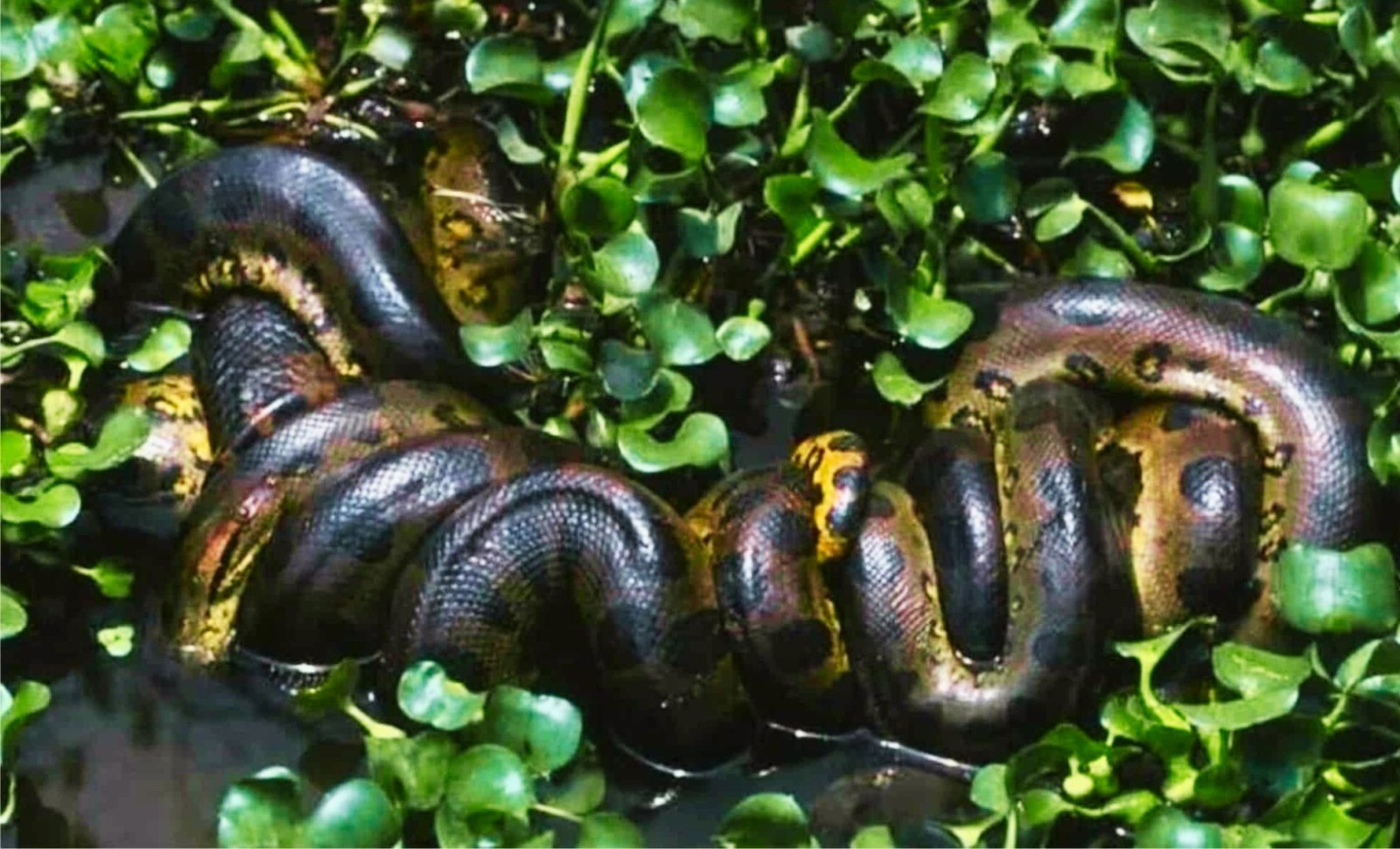
Scientists exploring the depths of the Ecuadorian Amazon have uncovered an enormous new species of anaconda, potentially the largest snake ever recorded. This remarkable discovery occurred amid the production of Pole to Pole, a National Geographic series fronted by Will Smith, marking a significant advancement in reptile biology.
Under the guidance of Professor Bryan Fry from the University of Queensland, the expedition ventured into the remote Baihuaeri Waorani Territory. There, the team encountered a female anaconda measuring 20.7 feet in length and tipping the scales at over 1,100 pounds—exceeding previous size records for live snakes. Genetic analysis determined this serpent to be a distinct species, separate from the common green anaconda (Eunectes murinus), and the new taxon has been named Eunectes akayima.
However, this exceptional find comes with pressing concerns. The delicate rainforest ecosystem that supports this species is increasingly threatened by deforestation, extraction industries, and climate change. Scientists emphasize the urgency of implementing conservation measures to prevent species like E. akayima from vanishing before they can be fully studied.

Revolutionizing Understanding of Anaconda Diversity
The identification of Eunectes akayima was facilitated by an invitation from Waorani Chief Penti Baihua, whose community has long protected this biodiverse area. Guided by local hunters, the team undertook a 10-day expedition via canoe through intricate river networks where multiple large anacondas were documented.
Genetic tests revealed a 5.5% divergence from the southern green anaconda, a significant evolutionary distance considering humans and chimpanzees have only about 2% genetic differences. The findings, published in the open-access journal MDPI Diversity, confirm that Eunectes akayima is genetically and morphologically distinct.
“This wasn’t just a morphological variation. It’s a completely separate species with millions of years of independent evolution,” said Fry in a statement to the University of Queensland.
Unlike the widely distributed E. murinus, this newly identified anaconda seems confined to the upper Amazon basin, a region that remains underexplored yet biologically rich. Previously dismissed Indigenous accounts of anacondas reaching lengths up to 24.6 feet (7.5 meters) now seem more credible.
Local Indigenous Knowledge Drives Scientific Discovery
The Waorani people's deep-rooted ecological knowledge was instrumental in this breakthrough. Their ancestral territory hosts some of the Amazon’s most pristine habitats, preserved through generations of careful stewardship. Fry highlighted the indispensable role they played in the expedition’s success.
“Our journey into the heart of the Amazon, facilitated by the invitation of Waorani Chief Penti Baihua, was a true cross-cultural endeavor,” Fry told People Magazine.
Revered as a sacred creature by the Waorani, several local hunters were accredited as co-authors of the scientific publication. Their involvement highlights the growing acknowledgment of Indigenous ecological insights as vital contributors to contemporary biological research, especially in remote, understudied environments.
To learn more about the Waorani’s cultural heritage and conservation role, their Wikipedia page offers comprehensive background on their rich history and ecological contributions.
Amazon’s Ecosystem Faces Critical Threats
The discovery emerges amid alarming signs about the Amazon’s declining health. According to Fry’s research team, an estimated 20% to 31% of the rainforest has been cleared or degraded, with projections indicating the loss could reach 40% by 2050 due to activities like mining, agriculture, and oil drilling.
Fry is now studying the impact of environmental pollutants, such as heavy metals from oil contamination, on the reproductive success of anacondas and other apex species. Upcoming research will delve into how industrial waste influences fertility and development in these populations.
“It’s not only these gigantic snakes that are facing environmental threats, but almost all living things in the region,” Fry noted in an interview with UQ Contact Magazine.
Global conservation reports echo these worries. A 2023 assessment by the World Resources Institute highlights rapid degradation surpassing critical thresholds, warning that expanded deforestation and increasing fires could transform large tracts of the forest to dry savannah habitats.
Preserving Biodiversity in Uncharted Amazon Regions
The identification of Eunectes akayima underscores how considerable portions of the Amazon remain biologically unexplored. Despite advancements in remote sensing and environmental modeling, essential vertebrate species are still being discovered, largely thanks to Indigenous stewardship.
Yet these remote ecosystems face growing threats as regional development—such as oil exploration, illegal logging, and infrastructure expansion—encroaches upon previously untouched areas.
The anaconda’s continued survival depends on preserving the balance between local Indigenous governance, urgent scientific inquiry, and international environmental policymaking to safeguard these irreplaceable habitats.
- Categories:
- News







0 comments
Sign in to Comment